 Jobboy
Introduction: Navigating Resume Tools in 2026
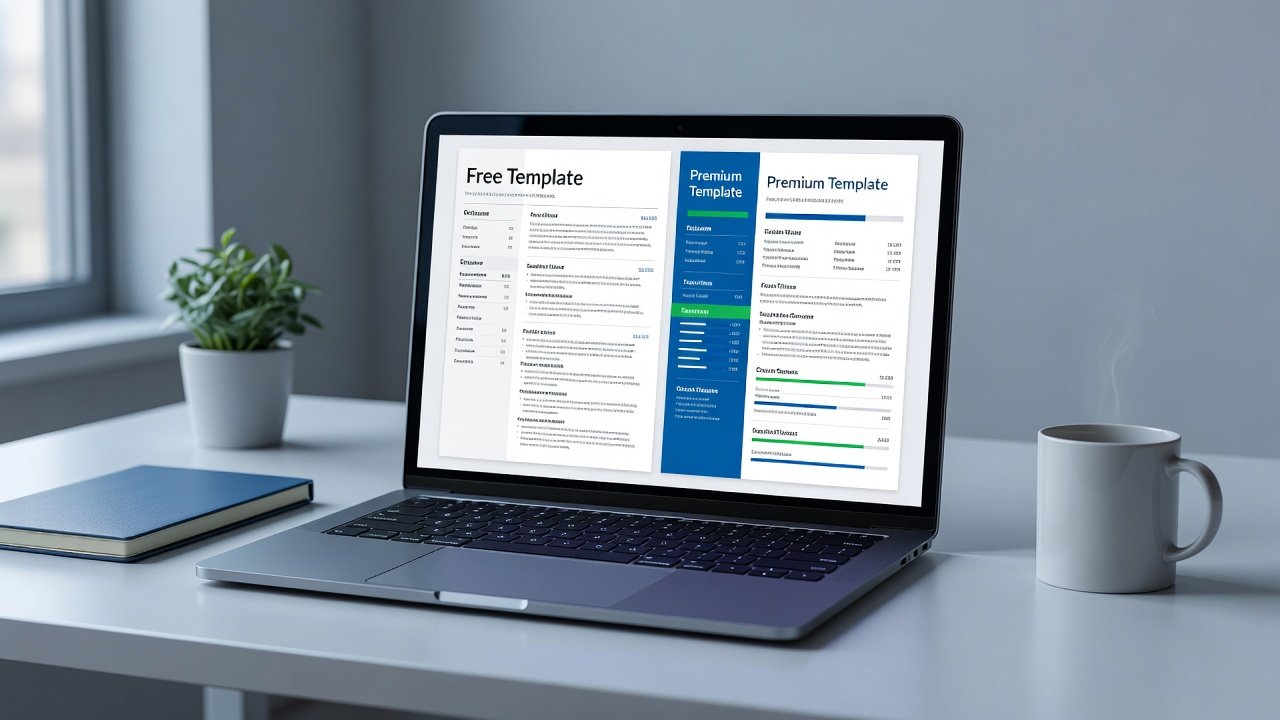
Job seekers today face an overwhelming array of resume builders, each promising to elevate applications in a competitive market. The debate between free tools and premium subscriptions remains central, especially as applicant tracking systems (ATS) evolve and AI integration becomes standard. This showdown examines leading options available in 2026, focusing on measurable differences that impact interview rates. Understanding these distinctions helps tailor choices to individual career stages without unnecessary spending, ensuring every application maximizes visibility and impact.
Free platforms often suffice for basic needs, while premium versions unlock advanced customization and insights. Job markets have grown more complex with remote opportunities and specialized roles, making the right tool selection critical for success. This guide provides in-depth analysis backed by practical examples and user experiences to guide informed decisions.
ATS Compatibility Scores
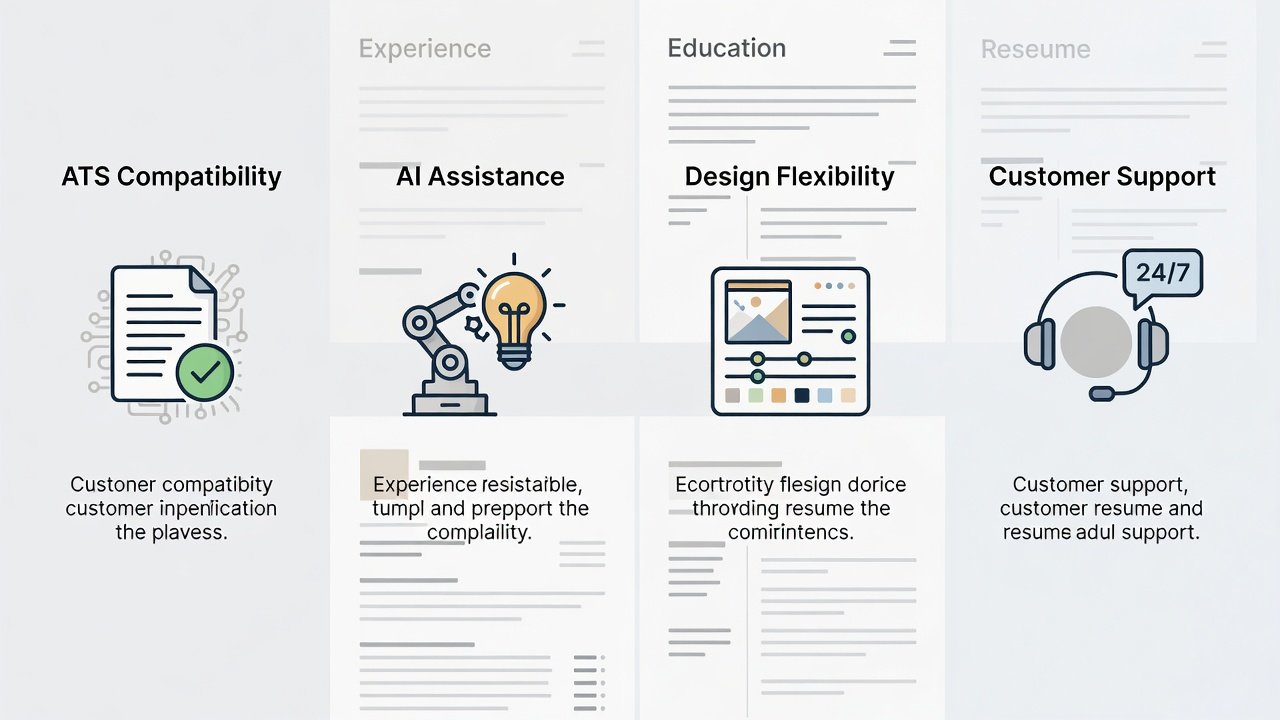
ATS compatibility determines whether resumes reach human recruiters. Free tools typically score 70-85% on standard parsers due to limited formatting controls. Premium subscriptions frequently achieve 90%+ by offering ATS-optimized templates tested against major systems like Workday and Greenhouse. In practice, this means free builders may inadvertently use tables or graphics that confuse parsers, causing entire sections to vanish during processing.
Real-world testing shows free builders occasionally strip keywords or misalign sections, reducing visibility. Premium options include built-in scanners that flag issues before submission, leading to higher pass rates in corporate environments. For instance, users applying to tech giants report significantly better outcomes when their documents pass initial automated screens without manual intervention from recruiters.
Design Flexibility and Visual Appeal
Free resume builders provide limited templates, often restricting colors, fonts, and layouts to maintain simplicity. This can result in generic documents that blend into applicant pools. Premium platforms offer extensive libraries with modern designs, allowing industry-specific tailoring such as creative portfolios for marketing roles or clean formats for finance positions. The added flexibility enables users to highlight personal branding elements while maintaining professional standards.
Users report that visually distinctive resumes from premium tools stand out in creative fields, though they must remain ATS-friendly to avoid rejection. The balance between aesthetics and functionality proves crucial, especially when targeting roles where first impressions matter as much as content. Experimenting with multiple layouts in premium tools can reveal which versions perform best across different industries.
AI Writing Assistance Quality
AI features have transformed resume creation. Free versions offer basic suggestions like bullet point starters, but output often feels generic and repetitive. Premium AI tools generate personalized content based on job descriptions, incorporating quantifiable achievements and action verbs that align with employer expectations. These advanced systems analyze thousands of successful resumes to suggest improvements tailored to specific sectors.
Examples include entry-level candidates using premium AI to transform volunteer experience into compelling professional summaries, resulting in higher callback rates. Career professionals also benefit from AI that identifies gaps in skills presentation and proposes ways to bridge them with relevant terminology. This level of sophistication helps differentiate applications in saturated markets.
Customer Support Quality and Responsiveness
Free tool users typically rely on community forums or email with response times averaging 48 hours. Premium subscriptions include live chat, priority phone support, and dedicated resume reviews from career experts, often within hours. Access to human expertise proves invaluable when navigating complex formatting issues or seeking advice on industry-specific phrasing.
This difference matters during tight application deadlines. Career changers particularly benefit from expert feedback on translating transferable skills effectively. Many premium users cite the availability of one-on-one consultations as a key factor in refining their documents to better match evolving job requirements.
Hidden Costs and Long-Term Value
While free tools advertise zero upfront expense, limitations like watermarks, export restrictions, or upsells for PDF downloads can add friction. Premium plans avoid these but require ongoing commitment; many include annual billing that provides better per-month value for active job hunters. Hidden fees may also surface when users attempt to access advanced analytics or additional template packs after initial sign-up.
Evaluating total ownership costs involves checking for data export options and renewal policies to prevent surprises after initial use. Job seekers should review terms carefully to understand what features remain available if they pause their subscription mid-search. This foresight helps maintain continuity throughout the application process.
Real-User Examples and Interview Outcomes
Consider Sarah, an entry-level marketing graduate who built her resume with a free tool. She secured three interviews from 50 applications. After switching to a premium builder for refined AI suggestions and better formatting, her next batch yielded eight interviews, including two offers. Her experience highlights how small enhancements in presentation can compound into substantial gains over time.
Meanwhile, executive Michael used premium features to create a multi-page leadership-focused document. His targeted applications led to direct recruiter outreach, contrasting with earlier generic submissions that went unnoticed. Another user, a mid-career professional in healthcare, noted a 40% increase in responses after incorporating premium AI-driven keyword optimization and support-reviewed content.
Decision Framework by Job Seeker Stage
Entry-Level Candidates
Start with free tools to master basics like keyword optimization. Upgrade to premium if applications exceed 20 without responses, focusing on AI enhancements for limited experience sections. Practical steps include testing one or two free exports first to identify pain points before committing resources.
Career Changers
Premium support excels here for skill translation guidance. Free options may overlook nuanced phrasing needed to bridge industry gaps effectively. Users in this stage often benefit from detailed feedback loops available only in paid tiers to ensure their narratives resonate across new fields.
Executive Professionals
Invest in premium for sophisticated storytelling and networking integration. Hidden costs of free tools become apparent when competing for high-stakes roles requiring polished, executive-level presentation. Seasoned professionals frequently report that premium tools facilitate stronger personal branding essential at senior levels.
Practical Checklist Before Choosing a Tool
- Verify ATS compatibility with sample uploads to target employer systems.
- Test AI output quality against your specific industry keywords and job descriptions.
- Review export options and any post-subscription access limits to avoid data loss.
- Compare support response times via trial inquiries before full commitment.
- Assess design samples against job posting aesthetics for visual alignment.
- Evaluate long-term needs based on search timeline projections and role complexity.
- Check for integration with job boards and LinkedIn for seamless application workflows.
- Read recent user reviews focusing on 2026 updates and feature reliability.
FAQs on Switching Tools Mid-Search
Can I transfer my resume between platforms easily? Most allow PDF or Word exports, though reformatting may be required to match new templates and preserve formatting integrity across different builders.
Does switching reset my application history? No, but updating profiles on job boards with the new resume ensures consistency and prevents mismatches that could confuse recruiters.
Are premium features worth it for short job searches? Qualitative assessments show faster results for targeted roles, particularly when free limitations hinder progress or reduce response quality.
How do I evaluate success after switching? Track interview rates over two-week periods before and after changes for data-driven decisions that inform future tool selections.
Conclusion
Selecting between free and premium resume builders depends on your specific situation, goals, and tolerance for limitations. By weighing ATS performance, AI capabilities, and support levels against personal career stage, job seekers can maximize outcomes efficiently. LinkedIn remains a valuable resource for ongoing networking alongside any chosen builder. For government-backed career guidance, consult CareerOneStop or explore resources at U.S. Department of Labor. Ultimately, the right tool accelerates progress toward meaningful employment opportunities.
No comments yet. Be the first!