 Jobboy
Introduction: Why Remote Experience Matters More Than Ever in 2026
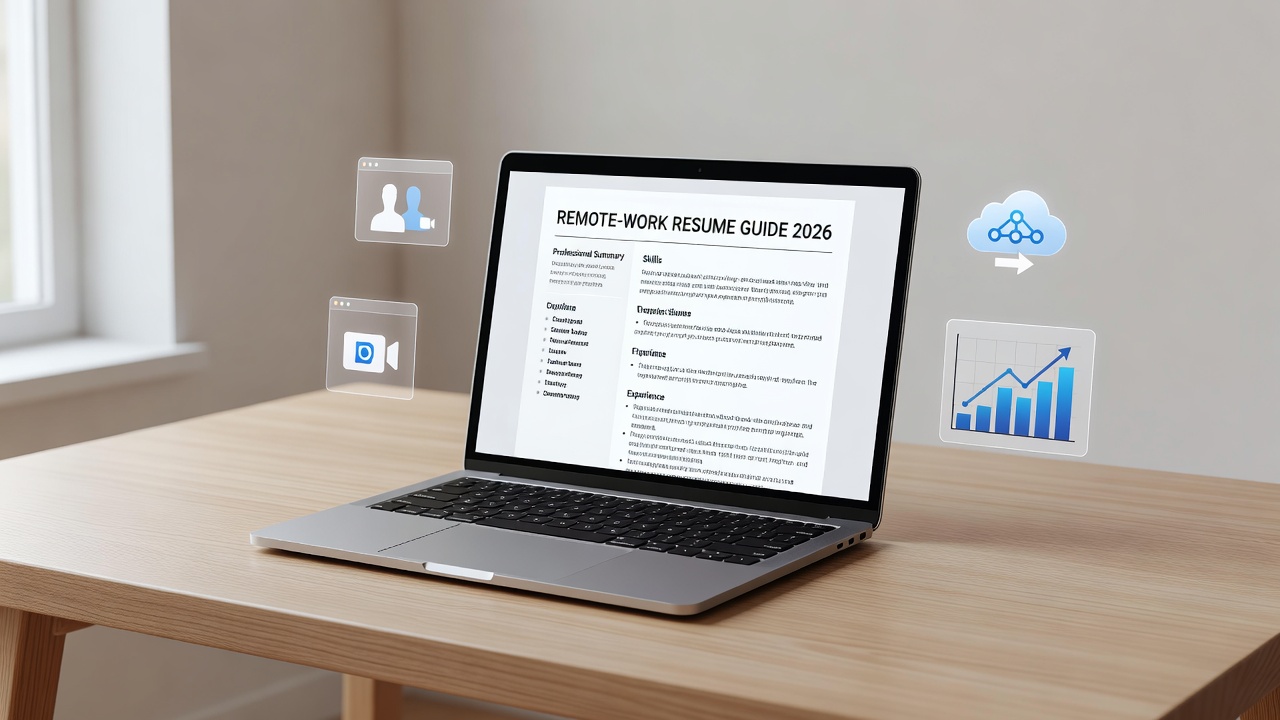
Remote work continues to dominate hiring trends, and recruiters now expect candidates to clearly demonstrate virtual collaboration skills. This guide shows you exactly how to rewrite your resume to spotlight remote achievements, optimize for applicant tracking systems, and align with 2026 job search expectations. Job seekers transitioning into fully distributed teams or advancing in hybrid environments must translate their home-office successes into compelling, measurable accomplishments that stand out in competitive applicant pools.
Many professionals still struggle to move beyond generic phrases like "worked from home." Instead, effective resumes in 2026 focus on outcomes achieved through digital tools, self-management, and global coordination. Whether you are applying for a remote software engineering position, customer success role, or marketing specialist job, framing your experience around productivity platforms and cross-timezone results can dramatically increase interview callbacks.
Choosing the Right Resume Template for Remote Roles
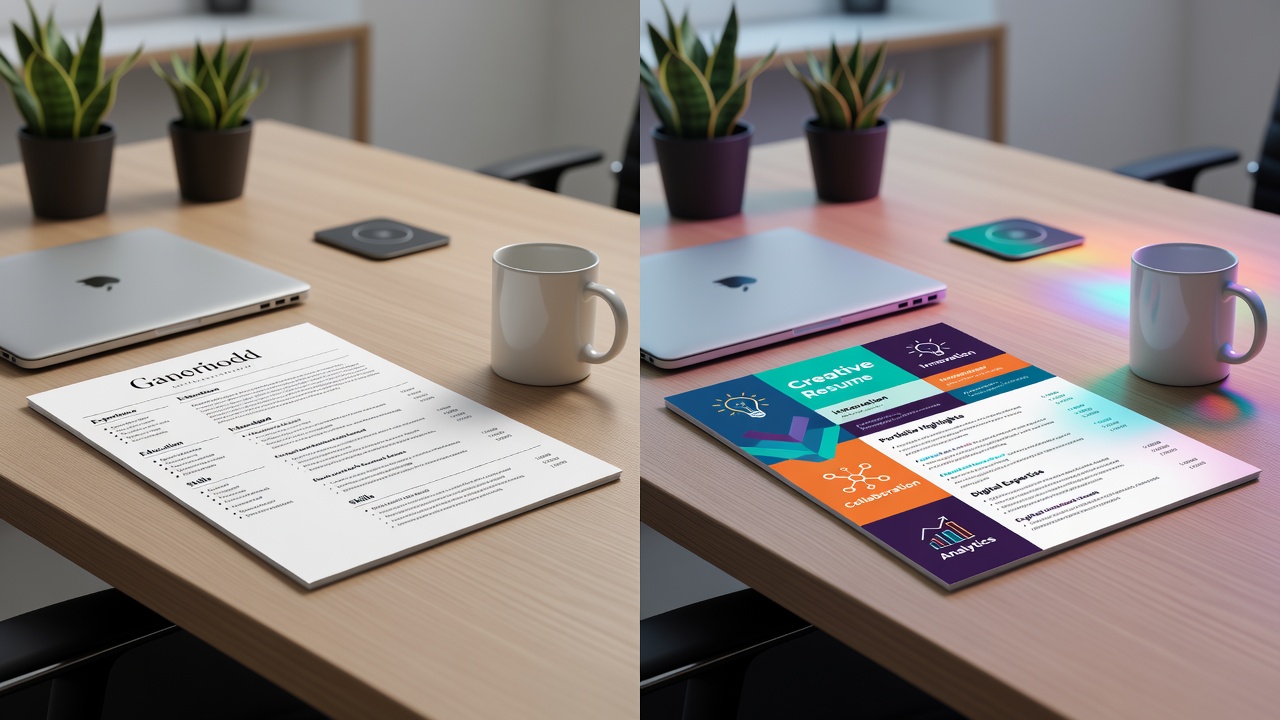
Select clean, ATS-compatible templates that prioritize skills and achievements over flashy design. Avoid multi-column layouts or heavy graphics that confuse parsing software. Focus on sections like Professional Summary, Remote Experience, Key Skills, and Education. Modern remote-focused templates often include a dedicated "Virtual Collaboration" subsection where you can list platforms and methodologies used daily. Test your chosen template by copying the content into a plain text editor to ensure all information remains intact and readable.
Identifying and Framing Remote Keywords
Incorporate terms such as remote collaboration tools, asynchronous communication, cross-timezone coordination, and virtual productivity metrics. Research job descriptions to naturally weave in phrases like "managed distributed teams" and "utilized Slack and Zoom for global projects." Studies from major job platforms show that resumes containing role-specific remote keywords receive up to 40 percent more views. Visit Indeed regularly to analyze current postings and extract the exact language hiring managers use when describing ideal remote candidates.
Step-by-Step: Rewriting Your Experience Section
Start with strong action verbs followed by quantifiable results. For example, instead of "Worked remotely," write "Led a 12-person remote team across 4 time zones, increasing project delivery speed by 35%." Break down each past role into three parts: the challenge faced in a virtual setting, the tools deployed, and the measurable impact. This structure helps recruiters instantly understand your ability to deliver results without physical supervision.
Quantifying Remote Productivity
Numbers speak louder than vague statements. Track metrics such as tickets resolved per week, projects completed ahead of schedule, or engagement rates in virtual meetings. If you lack exact figures, estimate conservatively using available data from performance reviews or project management dashboards. Always tie the number back to remote-specific factors like time-zone flexibility or tool adoption rates.
Before-and-After Example
Before: Handled customer support from home.
After: Delivered remote customer support using Zendesk and Intercom, achieving a 92% satisfaction rating while managing 150+ tickets weekly across multiple time zones.
Another example for a project manager: Before: Coordinated team tasks remotely.
After: Orchestrated asynchronous project workflows in Asana for a 20-member distributed team, reducing average project cycle time from 14 days to 9 days while maintaining 98% on-time delivery.
Common Mistakes to Avoid With Remote Work Gaps
- Listing remote roles without metrics or tool names, which leaves recruiters guessing about your technical comfort level.
- Hiding employment gaps instead of framing them as upskilling periods spent mastering new collaboration platforms or completing online certifications.
- Using generic language that fails to highlight virtual tools, such as simply stating "email and phone" when you actually leveraged advanced platforms like Microsoft Teams, Miro, or Notion.
- Omitting timezone management experience, which is increasingly valued for global organizations operating across continents.
Traditional vs Remote-Focused Resume Formats
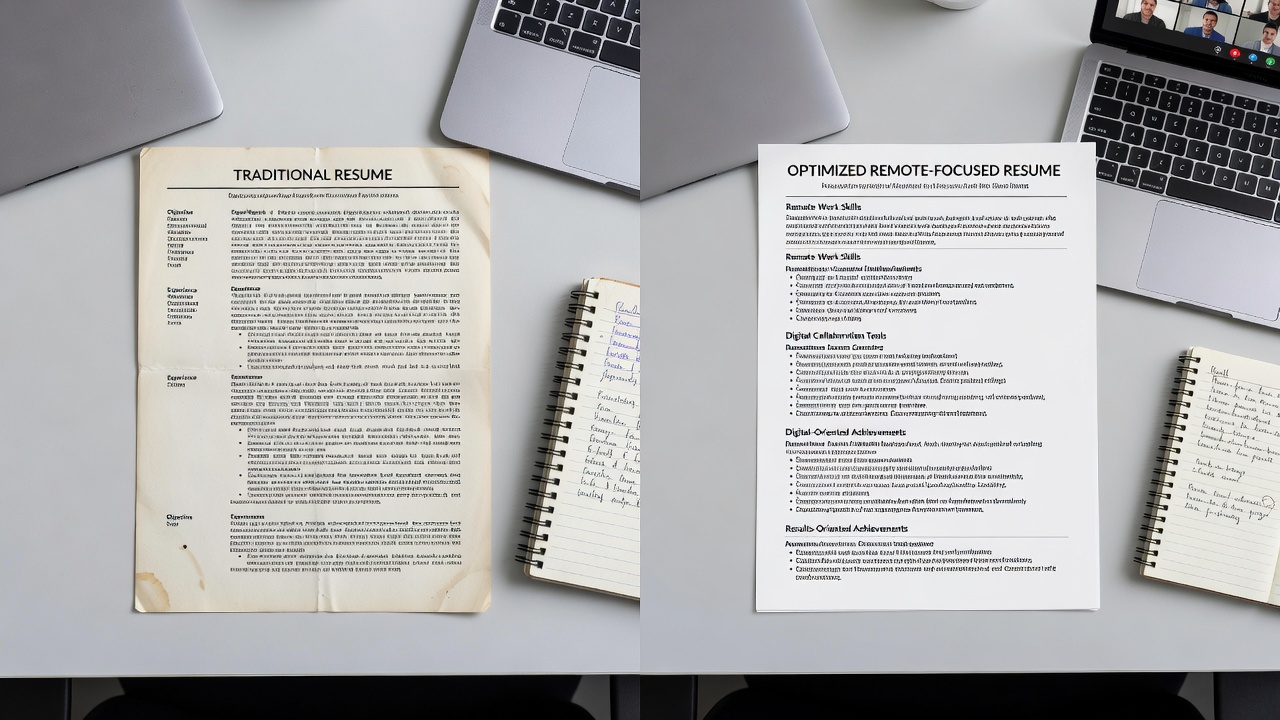
Traditional formats emphasize location and in-office duties. Remote-focused resumes highlight tools, autonomy, and results. The latter performs better for distributed teams because it directly addresses recruiter concerns about self-motivation and digital fluency. When comparing the two approaches side by side, remote-optimized versions typically allocate 30 percent more space to technology proficiency and outcome statements. This shift mirrors evolving workplace realities where physical presence no longer equals productivity.
Aligning Your Cover Letter With Remote Keywords
Mirror the language from your resume in your cover letter. Reference specific remote wins and tools to create a cohesive narrative that reinforces your virtual expertise. For instance, open with a sentence that connects a past remote achievement directly to the target company’s distributed model. Keep the cover letter to three short paragraphs, each reinforcing a different remote strength such as independent decision-making, proactive communication, or successful adoption of new collaboration software.
Practical Checklist Before Submitting
- Run your resume through free ATS scanners available on major career sites to identify parsing issues.
- Quantify at least three remote achievements with concrete numbers or percentages.
- Include 8–12 relevant keywords naturally throughout the document rather than stuffing them into one section.
- Proofread for clarity and consistency, ensuring every tool name is spelled correctly and every metric is realistic.
- Ask a trusted colleague who works remotely to review the document for authenticity and impact.
Conclusion
By strategically emphasizing remote metrics, tools, and collaboration skills, your resume will stand out in 2026 hiring pools. Apply these techniques to position yourself as a proven remote professional ready to contribute from day one in any distributed environment. Consistent updates to your resume as new tools and methodologies emerge will keep your application materials current and competitive.
FAQ: Recruiter Expectations for 2026 Remote Applications
Q: Do recruiters still care about remote experience?
Yes. Most hiring managers now prioritize candidates who can prove they thrive in distributed environments, according to guidance from leading HR organizations such as SHRM.
Q: How many remote keywords should I include?
Aim for natural integration of 8–12 keywords drawn directly from target job postings.
Q: Should I mention specific productivity tools?
Absolutely—tools like Asana, Notion, and Microsoft Teams signal digital fluency when paired with results.
Q: How should I address employment gaps caused by remote transitions?
Frame gaps as deliberate periods of skill development, listing any courses, certifications, or freelance remote projects completed during that time.
Q: Is a separate remote skills section necessary?
It can be helpful if you have extensive virtual experience, but integration throughout the experience section often feels more natural and ATS-friendly.

No comments yet. Be the first!