 Jobboy

Introduction
In the competitive 2026 job market, submitting a resume is only the first step toward landing an interview. Many qualified candidates fail to follow up after their application, missing valuable opportunities to demonstrate genuine interest and stand out from hundreds of other applicants. This comprehensive guide equips job seekers with data-driven strategies for effective post-submission follow-ups, covering optimal timing for emails or LinkedIn messages, techniques for crafting concise yet professional language, and methods for tailoring approaches across different stages of the application process. By implementing these tactics, you can significantly improve your response rates in today's fast-evolving hiring landscape.
Why Follow-Ups Matter in 2026
The modern recruitment process relies heavily on applicant tracking systems and AI screening tools that filter resumes before human eyes ever see them. A strategic follow-up serves as a gentle reminder to recruiters and hiring managers, reinforcing your enthusiasm and qualifications. Insights from LinkedIn highlight that personalized outreach often leads to higher engagement rates compared to passive applications. In 2026, with remote work and global talent pools expanding, hiring teams are busier than ever, making thoughtful follow-ups essential for cutting through the noise and positioning yourself as a proactive candidate.
Optimal Timing for Follow-Ups
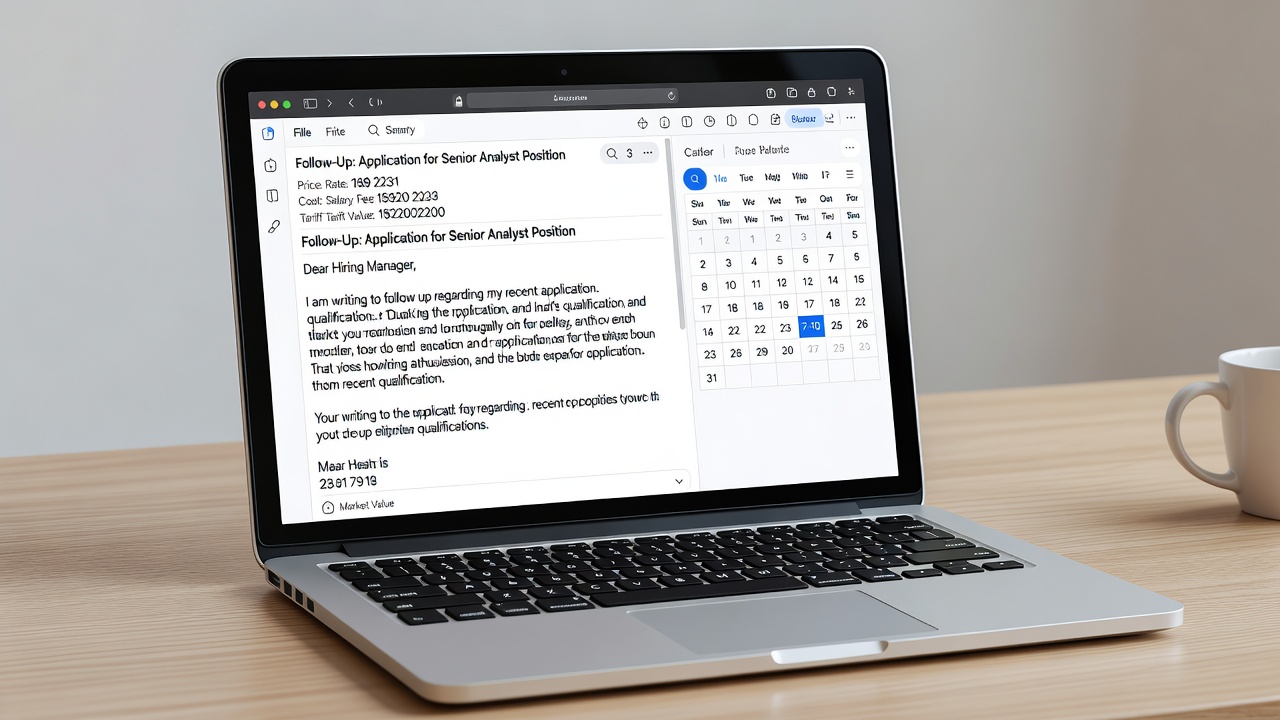
Timing your follow-up correctly can determine whether your message receives attention or gets buried. For most standard roles, wait 7 to 10 business days after submission before reaching out. In fast-paced industries like technology or sales, a 5-day window may be more appropriate. Always avoid sending messages on weekends, holidays, or late Friday afternoons when inboxes are overwhelmed. Maintain a simple spreadsheet to log submission dates, company names, and planned follow-up windows so you never miss an opportunity or appear disorganized.
Researching the Right Contact Before Reaching Out
Before drafting any message, invest time in identifying the appropriate recipient. Use LinkedIn to locate the hiring manager, recruiter, or department head associated with the role. Review their recent activity and shared connections to find natural points of personalization. This research step prevents your follow-up from being routed to a generic inbox and demonstrates that you have done your homework, which hiring professionals consistently appreciate.
Crafting Professional and Concise Follow-Up Messages
Effective follow-up messages balance brevity with substance. Limit your email or message to three to five sentences that reference the specific job title, restate one key alignment between your background and the role, and include a polite request for an update. Avoid vague phrases such as "just checking in" and instead focus on adding value or reiterating your fit. Proofread carefully for grammar and tone to maintain a polished impression.
Email Template Example
Subject: Follow-Up on Senior Marketing Manager Application Submitted July 12
Dear Ms. Patel,
I hope this message finds you well. I applied for the Senior Marketing Manager position on July 12 and remain very enthusiastic about the opportunity to contribute my eight years of campaign strategy experience to your team at Apex Digital. I am confident my background in data-driven content initiatives would support your upcoming product launch goals. I would greatly appreciate any update on the status of my application. Thank you for your time and consideration.
Best regards,
Alex Rivera
LinkedIn Message Template
Hi Jordan, I submitted my application for the Senior Marketing Manager role on July 12 and wanted to express my continued strong interest in joining the Apex Digital team. My experience leading multichannel campaigns aligns closely with the position requirements. I would welcome any insight into next steps when convenient. Thank you!
Tailoring Follow-Ups for Different Application Stages
Adapt your approach based on where you are in the process. After an initial submission, keep the tone light and inquisitive. Following a first-round interview, reference a specific discussion point from the conversation to show active listening. If two weeks have passed without response after an interview, send one final polite nudge before shifting focus to other opportunities. Each stage requires a slightly different emphasis to maintain professionalism while advancing your candidacy.
Common Pitfalls and How to Avoid Them
Many candidates undermine their efforts through over-following, sending three or more messages within a short period, or using completely generic templates that could apply to any role. Another frequent mistake is failing to personalize the message or neglecting to proofread, which can signal carelessness. Instead, track all communications, limit yourself to two total follow-ups, and always customize at least one sentence to the specific company or role. Reviewing examples of both ineffective and successful messages side-by-side helps reinforce these best practices.
Digital Versus Traditional Follow-Up Methods
In 2026, email and LinkedIn messages remain the dominant and most effective channels due to their speed and traceability. However, for smaller organizations or creative fields, a thoughtfully worded handwritten note mailed to the office can create a memorable impression when used sparingly. Phone calls should be reserved for situations where you have already established a connection, and even then they require prior research into company communication preferences. Track which method yields better response rates for your target roles to refine your strategy over time.
Step-by-Step Follow-Up Checklist
- Log every application with submission date and position details in a dedicated tracker.
- Identify the correct contact through LinkedIn or company directories.
- Wait the recommended 7-10 business days before initial outreach.
- Personalize your message with one specific reference to the role or company.
- Send from a professional email address and include a clear subject line.
- Log the follow-up date and any response received.
- If no reply after another 10 days, send one final polite message before moving on.
Tracking Success and Adjusting Your Approach
Keep records of response rates, timing, and message variations to identify patterns. Note whether certain industries or company sizes respond more favorably to LinkedIn outreach versus email. This data allows you to continuously improve your follow-up process and allocate effort more efficiently across future applications.
Handling Industry-Specific Considerations
Creative fields such as design or media may appreciate a brief portfolio link in the follow-up, while corporate finance roles often favor strictly formal language. Government or nonprofit positions may involve longer review timelines, requiring extra patience before following up. Understanding these nuances prevents mismatched expectations and helps you calibrate persistence appropriately.
FAQ
Is it legal to follow up multiple times?
Yes, professional follow-ups are entirely appropriate. For guidance on employment-related communications, consult resources from the U.S. Department of Labor.
How many times should I follow up before giving up?
Limit yourself to two follow-ups total. Additional messages risk appearing overly persistent and may harm your reputation with the employer.
Should I follow up if the job posting says no calls?
Respect the stated preference and limit outreach to email or LinkedIn. These channels remain acceptable unless the posting explicitly discourages all contact.
Conclusion
Mastering the art of the follow-up in 2026 requires a combination of strategic timing, personalization, and disciplined restraint. By applying the checklists, templates, and industry-specific advice outlined above, you can transform passive applications into active conversations that increase your chances of securing interviews. Consistent implementation of these practices will help you navigate the competitive job market with greater confidence and effectiveness.

No comments yet. Be the first!