 Jobboy
Introduction
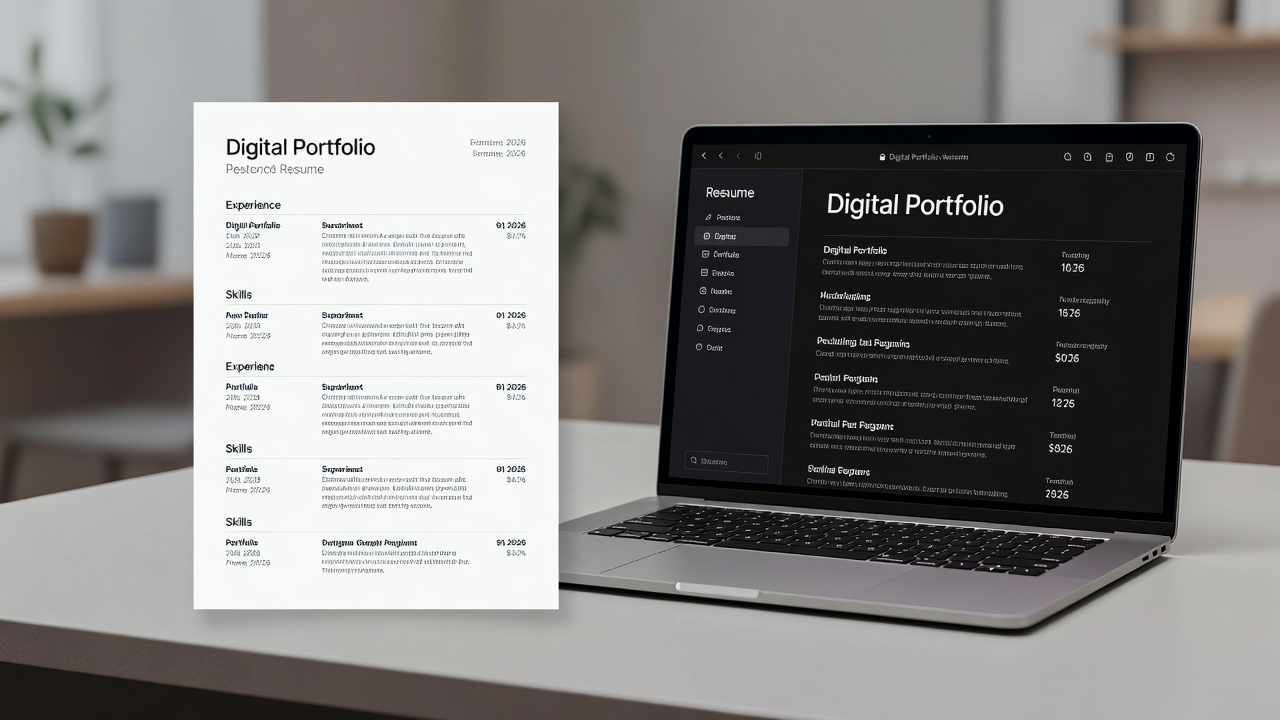
In 2026, job seekers targeting creative and technical roles often grapple with whether to submit a resume, a portfolio, or both. Recruiters receive hundreds of applications per opening, and the right combination of documents can significantly boost your chances of advancing past initial screens. A resume delivers a structured overview of your experience, while a portfolio supplies concrete evidence of your abilities through visuals and project breakdowns. This guide explores the nuances of each format, helping you align submissions with employer expectations and applicant tracking systems (ATS).
Search trends show increasing interest in blending traditional resume strategies with visual proof of skills. Understanding these tools ensures your application feels both professional and compelling across diverse industries.
What Is a Resume and Why It Still Matters in 2026
A resume remains a one- or two-page document that summarizes your work history, education, skills, and achievements in a standardized format. It serves as the foundation of most applications because hiring managers can quickly assess fit within seconds. In technical fields, it highlights quantifiable accomplishments like project completions or process improvements. Even as digital tools evolve, resumes provide the factual backbone that portfolios cannot replace.
What Is a Portfolio and How It Differs from a Resume
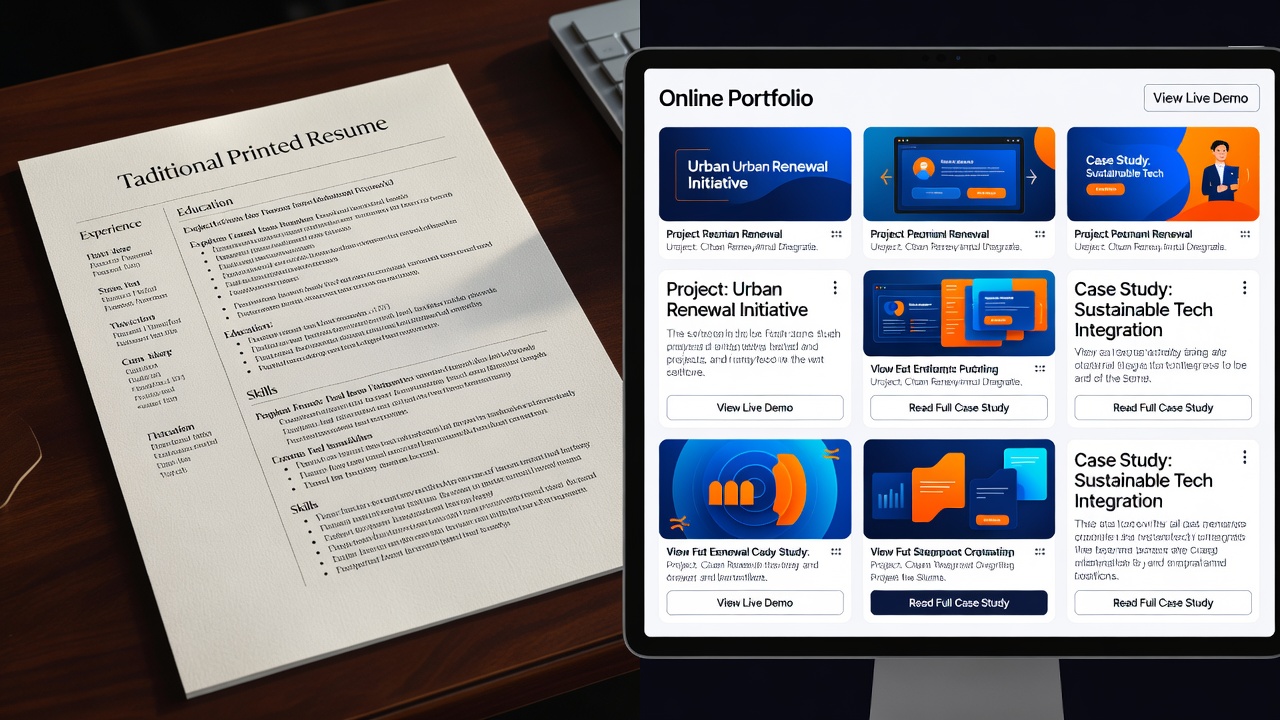
A portfolio is a curated collection of your work samples, case studies, and project outcomes presented through a website, PDF, or online platform. It differs from a resume by emphasizing demonstration over description. For instance, a graphic designer might include before-and-after visuals of branding campaigns, whereas a resume would only list the campaign titles and results. Portfolios excel at storytelling and allow employers to evaluate your creative or technical process directly.
Pros and Cons of Resumes and Portfolios
Resumes offer clear advantages in speed and compatibility. They are ATS-friendly when formatted correctly, easy to tailor for each role using keywords from job descriptions, and universally accepted. However, their limited space restricts depth, often making achievements feel abstract without supporting evidence. Portfolios, on the other hand, provide immersive proof of skills and help candidates stand out in visual or hands-on fields. Drawbacks include the time required for updates and potential incompatibility with automated screening tools if not optimized properly.
Examples illustrate these points well. A software engineer might use a resume to note "Developed three mobile apps with 50k+ downloads" while linking to a portfolio with live demos and code repositories. In contrast, submitting only a portfolio for a corporate analyst role could overwhelm reviewers who prefer concise summaries.
Decision Framework by Industry in 2026
Industry norms guide whether one or both documents are needed. In graphic design, UX/UI, and digital marketing, portfolios are often mandatory alongside resumes because employers want to see aesthetic and functional quality firsthand. Software engineering and web development roles frequently pair resumes with GitHub-linked portfolios to verify coding abilities. Corporate sectors like finance, human resources, or operations typically request resumes alone unless the position involves client-facing creative deliverables. Marketing specialists benefit from both when campaigns rely on visual assets.
Consider role seniority too. Entry-level positions may prioritize resumes for foundational qualifications, while mid-career or senior roles in creative industries lean heavily on portfolio depth to demonstrate leadership in past projects.
2026 Hiring Trend Insights
Current hiring practices reflect a hybrid approach. Many organizations now integrate portfolio reviews earlier in the process for roles involving content creation or product design. ATS software continues to dominate initial filtering, so resumes must remain keyword-optimized. Candidates who proactively include portfolio links in their resume headers report higher engagement from recruiters, particularly when the links lead to mobile-responsive sites. Trends also show increased use of video introductions within portfolios for technical storytelling.
Step-by-Step Guide to Creating a Complementary Portfolio
Building an effective portfolio starts with curation. Select four to six of your most relevant projects that align with the types of work you seek. For each project, write a concise case study covering the problem, your specific contributions, tools employed, and measurable outcomes. Use high-quality images, screenshots, or embedded demos to illustrate results. Choose a clean, professional platform such as a personal website or established hosting service, and ensure navigation is intuitive with sections for about, work samples, and contact information.
Next, optimize for accessibility and branding. Maintain consistent color schemes and typography that match your resume. Add testimonials from clients or colleagues where possible. Finally, test the site across devices and update it quarterly with new work. This process typically takes several weeks but pays dividends in interview invitations.
Successful Pairings with Cover Letters
Cover letters bridge the resume and portfolio by providing context. Reference specific portfolio pieces that address requirements listed in the job posting. For example, state how a particular design project demonstrates your expertise in user-centered research. This narrative approach creates cohesion across documents and shows thoughtful preparation. Keep the letter to one page and focus on enthusiasm and fit rather than repeating resume details.
ATS Compatibility and Optimization Tips
To ensure your materials pass automated screens, use standard section headings on the resume such as Experience, Education, and Skills. Incorporate exact phrases from the job description. For portfolios, provide a simple URL rather than embedded files and include a text-based summary page that mirrors key resume points. Avoid heavy graphics or complex layouts that confuse parsers. Resources like LinkedIn offer templates that balance visual appeal with scannability.
Practical Checklist for Submissions
- Read the job posting carefully for explicit instructions about required documents.
- Customize resume keywords to match the role and industry terminology.
- Refresh your portfolio with recent projects and remove any outdated examples.
- Verify all external links function correctly on multiple browsers.
- Export resume as PDF and confirm portfolio URL is professional and branded.
- Prepare a follow-up email that references both documents if no response within two weeks.
- Align personal branding elements like fonts and colors across resume, portfolio, and cover letter.
Common Mistakes to Avoid
Applicants frequently overload resumes with too many portfolio links, diluting focus. Others submit portfolios lacking explanatory text, forcing recruiters to guess context. Mobile incompatibility is another issue—ensure your portfolio loads quickly on smartphones. Finally, failing to tailor submissions to the specific company leads to generic applications that blend into the pile. Reviewing materials from CareerOneStop can help avoid these pitfalls through structured guidance.
Real-World Examples of Effective Combinations
Consider a UX designer who pairs a resume highlighting "Led redesigns increasing conversion by 35%" with a portfolio featuring interactive prototypes and user research summaries. This combination secured interviews at multiple tech firms. Similarly, a content strategist used a resume for metrics and a portfolio for writing samples, resulting in faster responses during 2026 application cycles.
Conclusion
Selecting the appropriate mix of resume and portfolio depends on your target industry, role, and employer preferences. By applying the frameworks, step-by-step processes, and checklists provided, you can craft applications that satisfy both automated systems and human reviewers in 2026. Consistent updates and strategic pairings will position you strongly in competitive job markets.
FAQ
Should I include a portfolio link on my resume? Yes, particularly for creative and technical positions, provided the link directs to a polished, professional site.
Is a portfolio necessary for non-design jobs? Not always required, yet it strengthens applications in software development, marketing, and product management by offering tangible proof.
How many projects should a portfolio contain? Aim for five to eight high-quality examples rather than quantity to maintain focus and impact.
Can I use the same portfolio for multiple industries? Customize sections or create tailored versions to match each industry's priorities and terminology.
What if my portfolio is not ATS-friendly? Include a text summary page or PDF version alongside the main site to improve compatibility.


No comments yet. Be the first!