 Jobboy

Introduction
In the competitive job market of 2026, a standard cover letter often fails to capture attention. Employers receive hundreds of applications, making it essential to use storytelling techniques that transform your cover letter into a compelling narrative. This approach highlights your career journey while incorporating essential elements of cover letter and resume writing for maximum impact. Storytelling in cover letters goes beyond listing achievements. It weaves personal experiences into a cohesive story that resonates with hiring managers and aligns with applicant tracking systems (ATS). By framing your professional path as a narrative arc, you create emotional connections that data points alone cannot achieve. This method not only humanizes your application but also demonstrates critical soft skills like communication and strategic thinking that recruiters prioritize.
Advanced storytelling elevates basic templates into persuasive documents. Candidates who master these techniques often see higher response rates because their materials stand out in crowded applicant pools. The following sections provide in-depth guidance on implementing these strategies effectively.
Why Storytelling Matters in Modern Cover Letters
Recruiters scan documents quickly, but a well-crafted story keeps them engaged. Narrative structures help demonstrate problem-solving, growth, and cultural fit. In 2026 hiring trends, AI screening tools still favor authentic, keyword-rich content that tells a human story. Storytelling builds trust by showing not just what you did, but why it mattered and how it shaped your approach to work. This depth is particularly valuable in roles requiring leadership, innovation, or client relations, where employers seek evidence of emotional intelligence alongside technical expertise.
Moreover, stories improve retention. Hiring managers remember candidates who share memorable anecdotes far longer than those who submit generic paragraphs. Research from career platforms indicates that narrative-driven applications can increase interview invitations by highlighting unique value propositions that resumes alone cannot convey.
Key Narrative Structures for Cover Letters
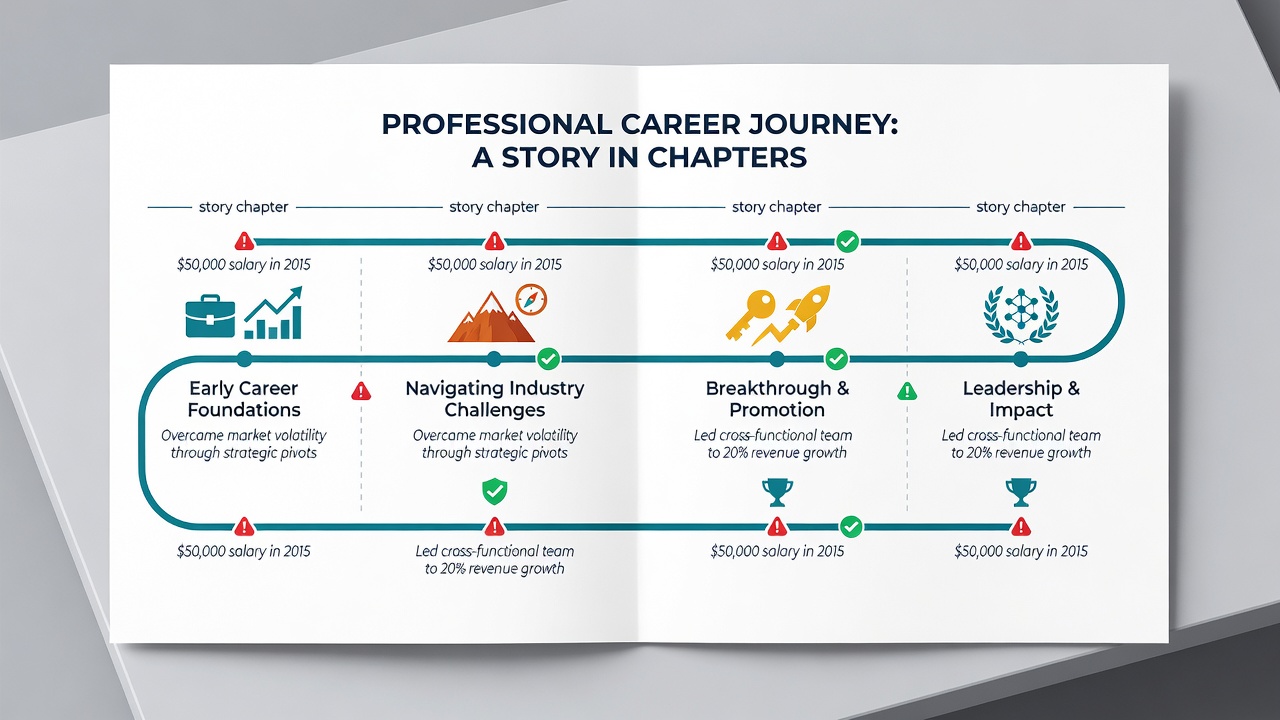
Effective structures include the Hero's Journey, Problem-Solution-Result, and Career Timeline arcs. The Hero's Journey positions you as the protagonist overcoming challenges to deliver value to the employer. It typically follows stages of call to adventure, trials, transformation, and return with newfound skills. The Problem-Solution-Result format directly ties your past experiences to the company's needs, making it ideal for results-oriented industries. Career Timeline arcs provide chronological context while emphasizing pivotal turning points rather than exhaustive histories.
Each structure can be adapted based on the role. For executive positions, the Hero's Journey works well to showcase vision and resilience. Entry-level applicants may prefer Problem-Solution-Result to focus on academic or internship wins. Selecting the right framework ensures your story aligns with job requirements and company culture.
Step-by-Step Guide to Weaving Anecdotes with ATS Keywords
- Identify target keywords from the job description, such as "project management" or "data analysis." Analyze the posting for repeated phrases and industry-specific terms to ensure relevance.
- Select a personal anecdote that naturally incorporates these terms. Choose experiences where you actively applied the skill rather than observed it.
- Structure the story with a beginning (challenge), middle (action), and end (outcome). Use vivid yet professional language to paint a clear picture without exaggeration.
- Ensure the language remains professional and scannable for ATS parsers. Break long sentences and incorporate keywords in context rather than lists.
- Revise for flow while maintaining keyword density without stuffing. Read aloud to confirm the narrative feels authentic and engaging.
- Test compatibility by pasting the draft into free ATS simulators available on major job sites to verify keyword recognition.
This method creates engaging cover letters that pass automated filters and impress human readers. Practicing with multiple drafts refines your ability to balance creativity and optimization.
Real-World Examples from Various Industries
In tech, a software engineer might narrate debugging a critical system failure, leading to a 40% efficiency gain. The story could detail initial panic, collaborative troubleshooting sessions, and the final implementation that prevented future outages. In healthcare, a nurse could describe coordinating patient care during a crisis, emphasizing empathy and leadership. This might involve triaging resources under time pressure and mentoring junior staff to maintain quality standards. Marketing professionals often share campaign stories that boosted engagement metrics, such as launching a social media initiative that increased brand awareness by double digits through targeted storytelling elements.
Finance examples might involve navigating regulatory changes by developing new compliance frameworks that protected client assets. Education roles benefit from anecdotes about adapting curricula during remote transitions, resulting in improved student outcomes. These examples show how storytelling elevates basic achievements into memorable career highlights that differentiate you from competitors.
Effective vs Ineffective Approaches
Ineffective cover letters read like bullet-point summaries from a resume. They list responsibilities without context or emotional resonance, leading to quick dismissal. Effective ones use vivid language, emotional hooks, and specific outcomes. For instance, instead of "I managed a team," try "I led a cross-functional team through a turbulent product launch, turning potential setbacks into record sales by fostering open communication channels."
Compare further: An ineffective version might say "I have experience with sales." An effective counterpart expands into "During a downturn, I identified untapped market segments through customer interviews, crafting a narrative-driven pitch that reversed declining revenues within one quarter." Multiple side-by-side comparisons reveal how depth transforms perception.
Integrating Storytelling with Resume Examples
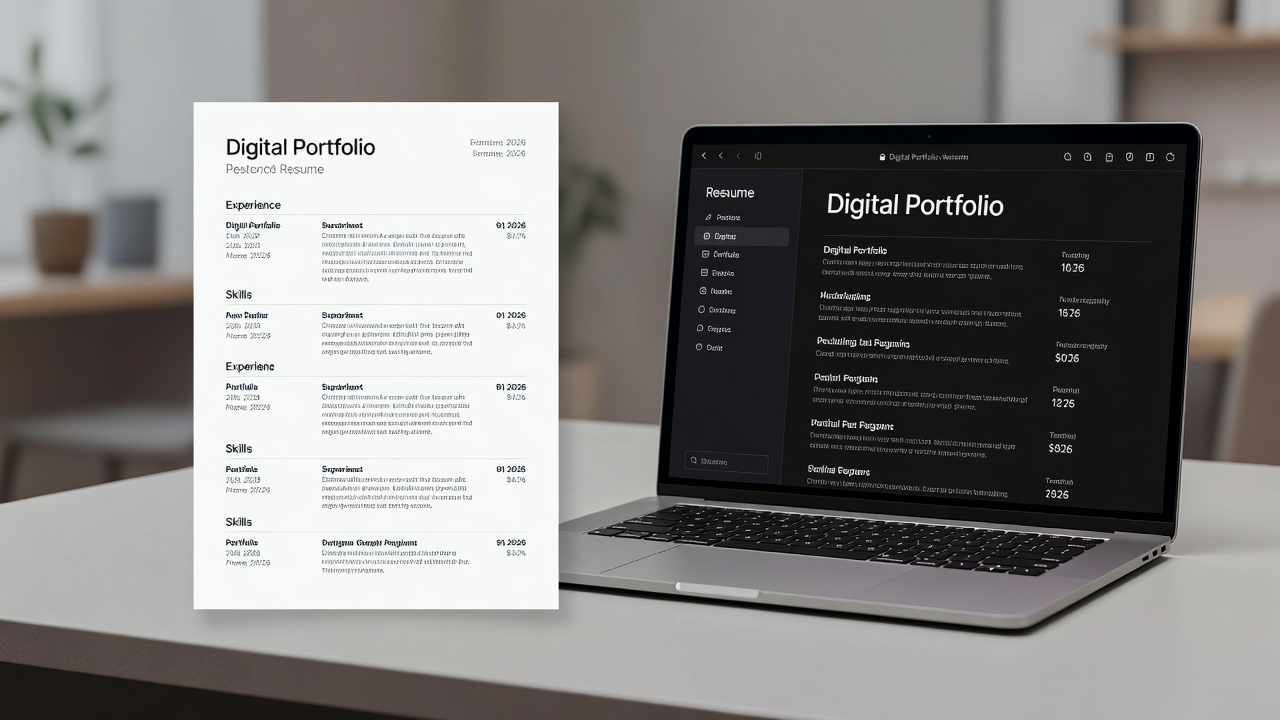
Your cover letter should complement resume examples by expanding on key achievements without repeating them verbatim. Use the resume as a factual backbone and the cover letter for narrative depth. This cohesive application strategy strengthens your personal brand across both documents. Align timelines and metrics so the story in the cover letter references specific accomplishments listed concisely on the resume. This synergy creates a unified application package that feels intentional and polished.
Review both documents together to eliminate redundancy while ensuring complementary perspectives. Professional career advisors often recommend this integrated method for senior-level searches where consistency signals attention to detail.
2026 Hiring Trends and Optimization Tips
Trends emphasize authenticity, diversity narratives, and remote collaboration stories. Optimize by researching company values and tailoring anecdotes accordingly. Always proofread for clarity and test readability scores. Additional tips include incorporating forward-looking language about industry evolution and using quantifiable impacts to ground your stories. Stay updated on emerging tools like AI-assisted writing platforms that can suggest narrative improvements while preserving your voice.
Common Mistakes to Avoid
- Overloading with unrelated personal details that dilute professional focus.
- Ignoring ATS requirements in pursuit of creative flair.
- Failing to connect the story explicitly to the target company's goals.
- Using clichés instead of unique, specific experiences.
FAQ: Common Pitfalls and Optimization Tips
What are the biggest storytelling mistakes in cover letters?
Avoid overly dramatic language or irrelevant personal details. Stick to professional anecdotes that tie directly to the role and quantify results wherever possible.
How do I balance keywords with natural storytelling?
Place keywords organically within the narrative flow rather than forcing them into sentences. Review the job description multiple times during drafting.
Can storytelling work for all industries?
Yes, but adapt the tone—creative fields allow more flair, while conservative sectors prefer subtle narratives backed by data.
What 2026 trends should I watch?
Focus on AI collaboration stories and sustainability efforts, as these are rising priorities for employers according to recent labor market analyses.
How long should a storytelling cover letter be?
Keep it to one page, aiming for 300-400 words that deliver a complete arc without unnecessary elaboration.

No comments yet. Be the first!