 Jobboy
Introduction to Resume Strategies in 2026
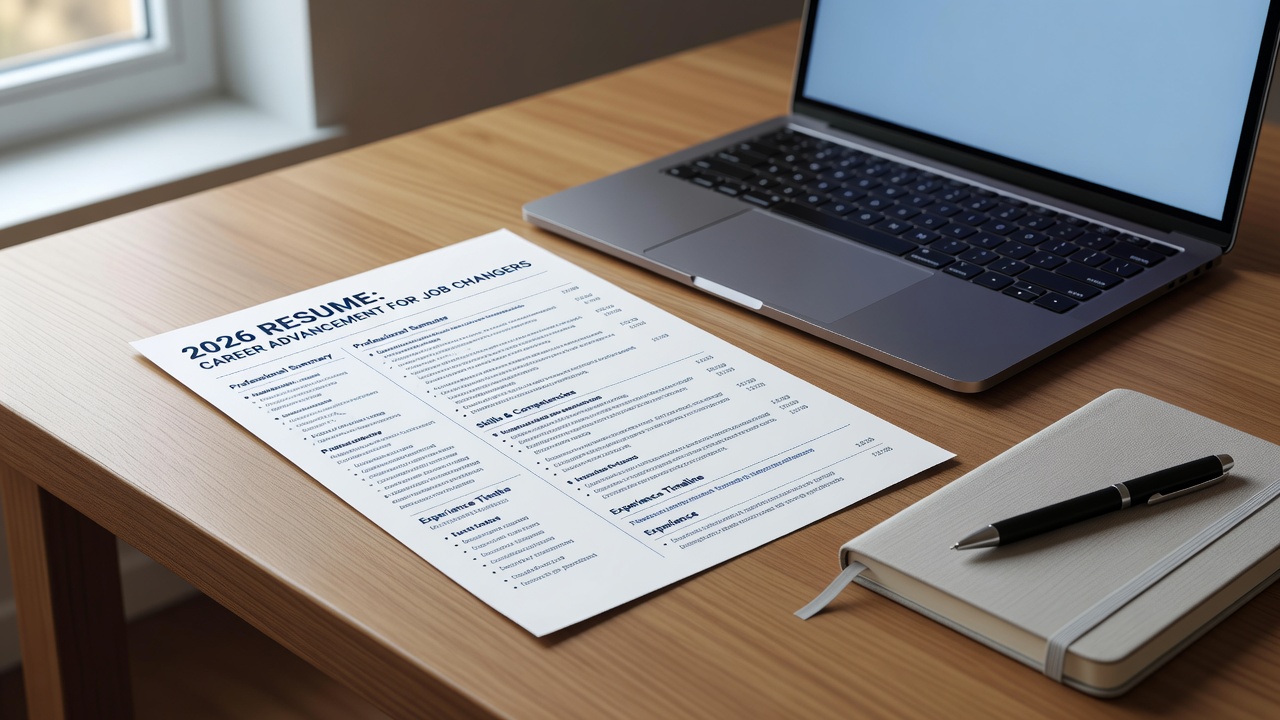
In today's dynamic job market, professionals often change roles multiple times to advance their careers or explore new opportunities. For frequent job changers, crafting a compelling resume requires strategic approaches that highlight strengths rather than tenure length. This guide provides in-depth advice on reframing job hops positively, selecting effective resume formats, and optimizing for applicant tracking systems (ATS). By 2026, employers increasingly value adaptability and diverse experiences. Frequent job changers can leverage these trends by focusing on achievements and skills that demonstrate quick impact and learning agility. Understanding the evolving expectations of recruiters means emphasizing transferable skills, quantifiable results, and continuous professional development. This comprehensive approach helps transform a series of short tenures into a narrative of deliberate career progression and resilience.
Framing Job Hops Positively on Your Resume
Job hopping no longer carries the stigma it once did, especially when presented correctly. Emphasize the skills gained and contributions made in each role. Use action-oriented language to show progression and value delivered, even in short tenures. Recruiters appreciate candidates who can articulate how each position built upon the last, creating a cohesive story of growth. Focus on industry-specific challenges you solved and the unique perspective gained from varied environments. This mindset shift turns potential concerns into demonstrations of versatility and high performance under pressure.
Real-World Examples of Strong Bullet Points
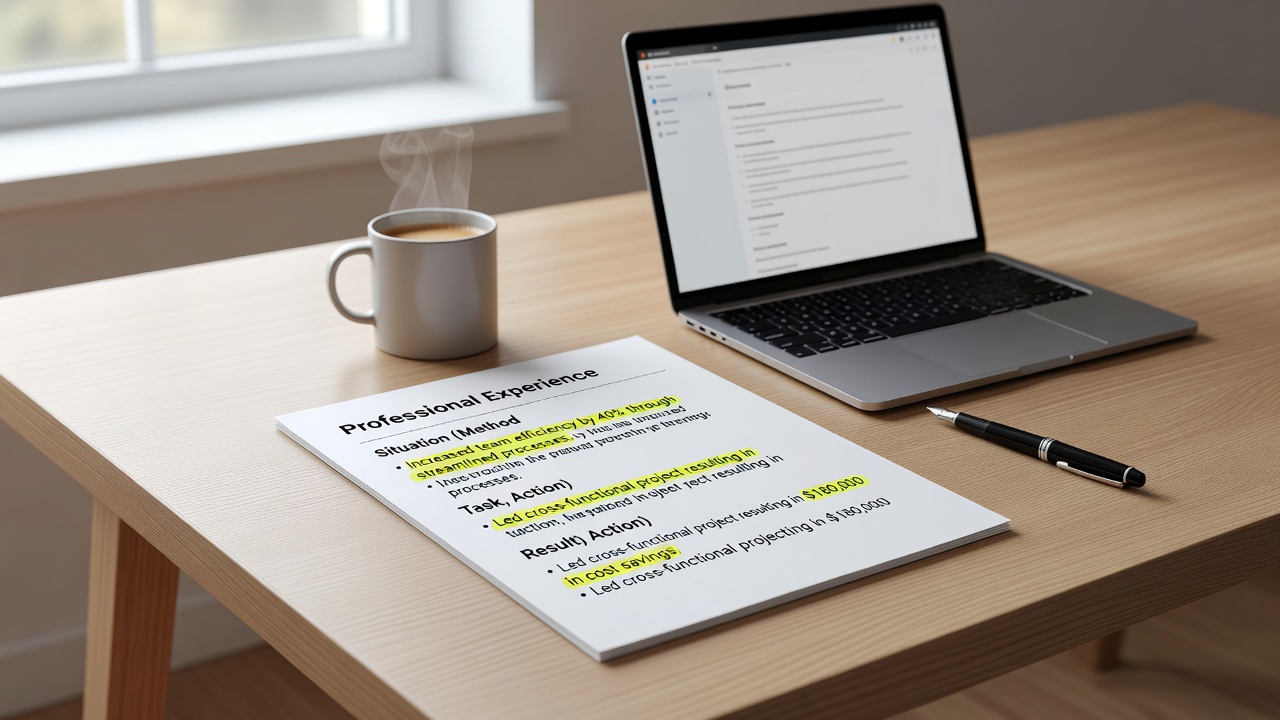
- Accelerated sales growth by 35% within six months at Company A by implementing targeted outreach strategies, directly contributing to team expansion goals and establishing repeatable processes adopted company-wide.
- Led cross-functional projects at Company B that improved process efficiency by 20%, applying insights from prior role to deliver measurable results in under a year while mentoring junior team members on best practices.
- Developed and launched a client onboarding program at Company C, resulting in a 25% reduction in support tickets and enhanced retention metrics through data-driven refinements and stakeholder feedback loops.
- Streamlined inventory management systems at Company D, reducing operational costs by 15% and enabling faster decision-making across departments during a period of rapid scaling.
These examples focus on outcomes, making short stays appear purposeful and achievement-driven. Expand each bullet with context about the business impact to further strengthen the entry.
Choosing the Right Resume Format: Functional or Hybrid
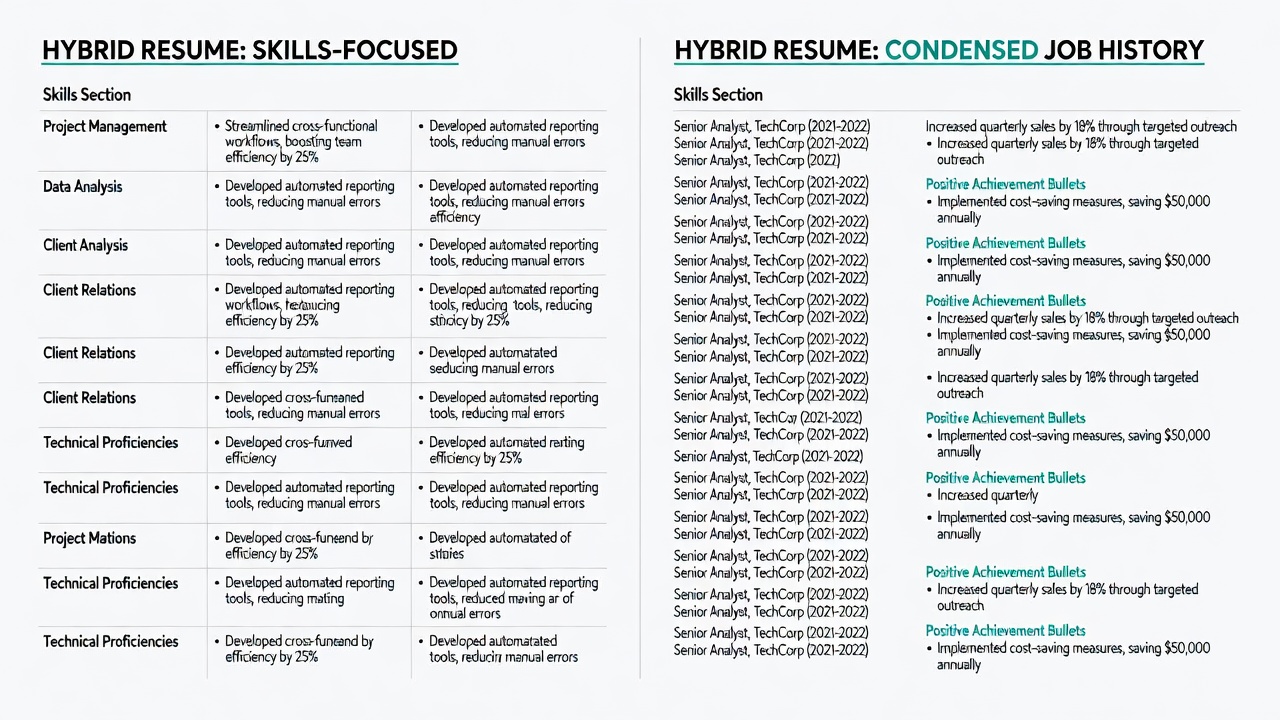
Traditional chronological resumes can highlight gaps or frequent changes unfavorably. Functional resumes prioritize skills over timeline, while hybrid formats blend both for balance. A hybrid approach works best for most frequent changers in 2026. Start with a skills summary, followed by a condensed work history. This structure allows recruiters to see relevant expertise first while still providing enough timeline information to satisfy background checks. Consider your industry when deciding; creative fields may favor more functional elements, whereas corporate roles often prefer hybrid clarity. Test multiple versions with trusted mentors to identify what resonates most effectively.
ATS Optimization Tips for 2026
Applicant tracking systems scan resumes for keywords before human review. Incorporate industry-specific terms naturally throughout your document. Research job descriptions for phrases like "project management," "data analysis," or "stakeholder engagement" and weave them into bullets and summaries. Update your resume for each application by mirroring language from the posting without forcing unnatural repetition. Use standard section headings such as "Professional Experience" and "Education" to ensure proper parsing. Additional resources on resume best practices can be found at LinkedIn. Avoid graphics or complex tables that ATS software may misread, and always submit in PDF or DOCX formats as specified.
Handling Employment Gaps Effectively
Gaps between roles are common and manageable. Address them briefly in your cover letter or by noting freelance work, volunteering, or skill-building activities during that time. Frame gaps as periods of professional development. For instance, mention certifications earned or freelance projects completed to maintain narrative continuity. Provide context such as family responsibilities or personal health improvements if relevant, but keep explanations positive and forward-looking. Many successful professionals have navigated gaps successfully by highlighting how the time away enhanced their perspective and renewed their focus upon return.
Step-by-Step Guide to Building Your Resume
- Analyze target job postings to extract key skills and requirements, creating a master list of matching phrases for easy reference.
- Draft a professional summary emphasizing adaptability and results across roles, limiting it to four to six impactful sentences.
- Select a hybrid format and list positions with achievement-focused bullets that quantify impact wherever possible.
- Incorporate keywords seamlessly for ATS compatibility while maintaining readability for human reviewers.
- Proofread and test formatting to ensure clean parsing by systems, including running the document through free ATS simulators.
- Customize the resume for each application, adjusting emphasis based on the specific role and company culture.
- Seek feedback from career coaches or peers in similar fields to refine clarity and persuasiveness.
Additional guidance on career resources is available through Indeed and SHRM.
Common Mistakes to Avoid
Steer clear of vague descriptions or defensive explanations of short tenures. Never omit dates entirely, as this raises more questions. Focus on quality over quantity in your experience section. Another frequent error is failing to connect experiences across jobs, leaving recruiters to piece together your career story. Always proofread for consistency in tense and formatting, and avoid overusing buzzwords without concrete evidence.
Additional Strategies: Tailoring and Networking Integration
Beyond the resume itself, integrate your document with broader job search efforts. Use LinkedIn to expand on short tenures with project highlights and recommendations from former colleagues. Create industry-specific versions that align with different career paths. Track application outcomes to identify which resume elements generate the most interviews, then iterate accordingly. This data-driven refinement ensures continuous improvement.
FAQs on Resume Strategies for Job Changers
How do I explain short tenures to recruiters?
Be honest and concise. Highlight what you learned and how it prepared you for the new role, keeping the focus on future contributions and avoiding any negative framing of previous employers.
Is a functional resume still effective in 2026?
Hybrid formats are generally preferred as they provide both skills context and a clear timeline, satisfying both ATS and human readers while minimizing concerns about employment history.
Should I include every job on my resume?
Prioritize the most relevant positions from the past 10-15 years. Older or unrelated roles can be summarized or omitted if they dilute your narrative and do not add value to the target position.
Conclusion
With thoughtful formatting and strategic wording, frequent job changers can create resumes that showcase their strengths in 2026. Apply these techniques to stand out in competitive applicant pools and advance your career confidently. Consistent refinement and a focus on impact will position you as a valuable asset to future employers.

No comments yet. Be the first!