 Jobboy

Introduction
Transitioning into or advancing within the gig economy requires a resume that showcases project-based achievements rather than traditional job titles. In 2026, clients and platforms prioritize measurable results, client testimonials, and portfolio links. This comprehensive guide provides step-by-step instructions tailored for freelancers in creative and tech fields, helping you create documents that stand out during quick client scans and pass automated screening tools.
Understanding the Shift from Traditional Resumes to Gig-Focused Documents
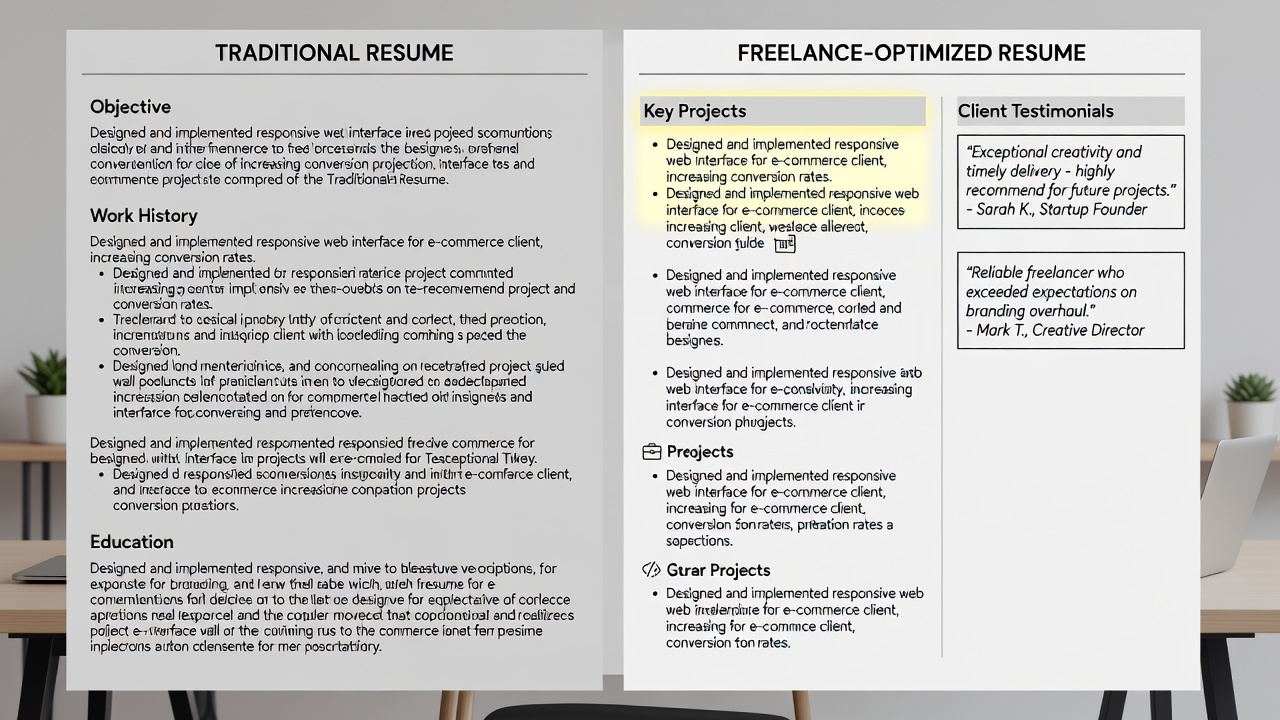
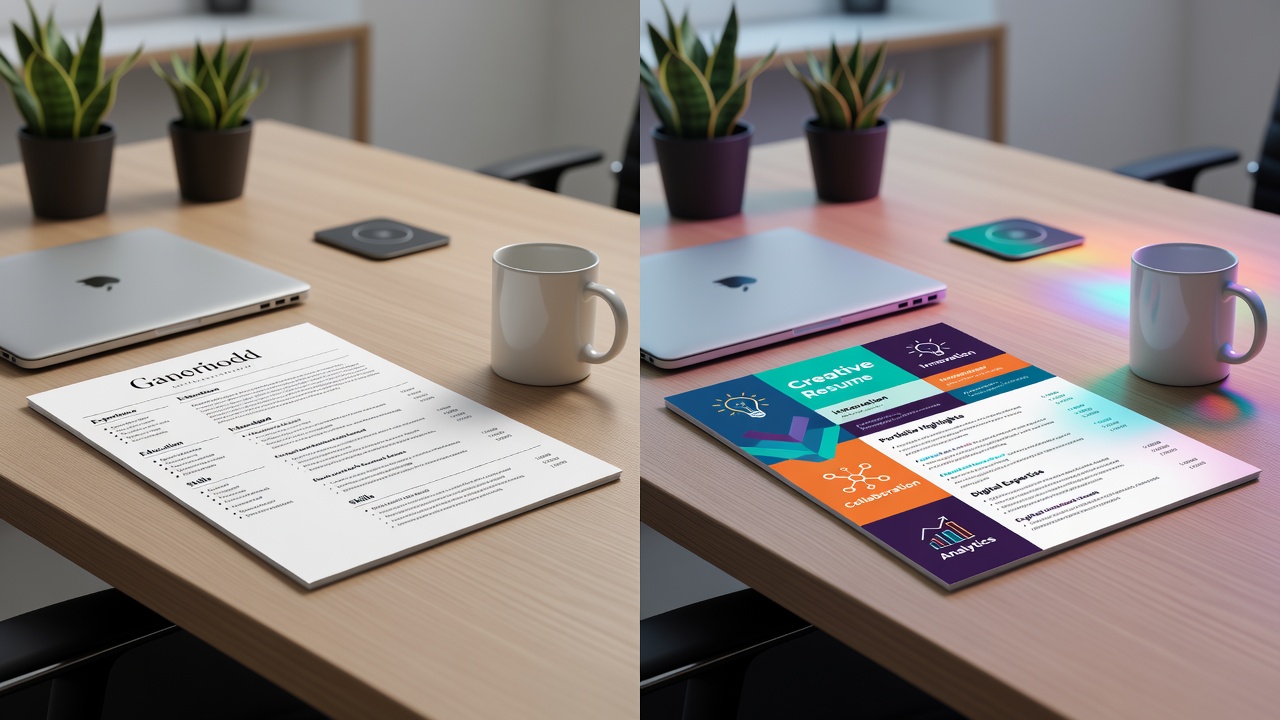
Traditional resumes focus on linear employment history with job titles, dates, and responsibilities. Gig work, however, emphasizes outcomes across multiple short-term contracts. Highlight specific projects, client outcomes, and skills demonstrated through varied engagements. This approach demonstrates adaptability and direct value delivered to clients, which is essential in a market where employers seek immediate impact over long tenure.
Key Differences Between Traditional and Freelance Resumes
Traditional formats list employers first, while gig resumes lead with deliverables and metrics. Instead of "Managed team of five," write "Delivered 15 client campaigns resulting in average 25% ROI lift." Focus on versatility by grouping similar projects under skill categories. This structure helps clients quickly assess fit for their specific needs without sifting through unrelated full-time roles.
Structuring Your Freelance Resume for Quick Client Scans
Keep your resume to one page maximum. Begin with a targeted professional summary that includes your core expertise and value proposition. Follow with a skills matrix or keyword-rich section. Then present project highlights using consistent formatting: project title or client type, your role, key actions, and quantifiable results. End with education, certifications, and a link to your portfolio. Use ample white space, bold subheadings, and short bullets to facilitate rapid reading on mobile devices or during initial reviews.
Choosing Powerful Action Verbs for Gig Roles
Replace weak phrases with dynamic verbs that convey leadership and results. Effective options include orchestrated, optimized, delivered, scaled, engineered, conceptualized, executed, and transformed. For example, instead of "Worked on website redesign," use "Orchestrated end-to-end website redesign that boosted client conversions by 35%." Maintain consistent verb tense throughout and tailor selections to the gig type—creative roles benefit from words like "crafted" or "visualized," while tech gigs suit "deployed" or "automated."
Highlighting Project-Based Achievements with Concrete Examples
Structure each project entry with context, actions, and outcomes. Provide 3-5 bullet points per major engagement. Always quantify where possible: revenue generated, time saved, user growth achieved, or efficiency improved. For a content writer: "Produced 40 SEO-optimized articles for a SaaS startup, increasing organic traffic by 60% within four months." For a software developer: "Developed custom API integrations across three client platforms, reducing data sync errors by 80%." Include project duration and tools used to add credibility and context for potential clients evaluating technical fit.
Incorporating Testimonials and Social Proof Effectively
Select 2-3 concise testimonials that reinforce your strongest projects. Place them directly beneath the relevant project description in italics, followed by the client name and company. Limit each quote to one or two sentences to preserve space. For instance: "Working with Alex transformed our user onboarding—completion rates rose 50%." — Sarah Kline, Product Lead at TechFlow. Rotate testimonials when targeting different niches to maintain relevance. Always obtain permission before publishing quotes.
Optimizing for ATS Compatibility on Platforms Like Upwork
Many gig platforms and enterprise clients use applicant tracking systems. Incorporate exact keywords from job descriptions naturally throughout your summary, skills, and project sections. Use standard headings such as Professional Summary, Skills, Projects, and Education. Avoid tables, columns, headers, footers, or images that may confuse parsers. Save and submit files as PDF or DOCX depending on platform requirements. Test compatibility by copying your content into plain text and checking for keyword density. Reference official guidance from Upwork when preparing submissions for that marketplace.
Real-World Resume Examples from Creative and Tech Freelancers
Creative example: A graphic designer might open with "Delivered brand identity packages for 18 clients in 2025, achieving average 42% increase in brand recognition metrics." Follow with specific project bullets and one testimonial. Tech example: A freelance developer could lead with "Architected and launched mobile applications for eight startups, securing over 250,000 combined downloads." Include GitHub or portfolio links immediately after the summary. These tailored examples demonstrate how to blend storytelling with hard data for maximum impact.
Common Mistakes to Avoid When Crafting Gig Resumes
Many freelancers overload their document with every past contract, resulting in cluttered two-page resumes. Others neglect metrics entirely or use generic objective statements. Avoid listing hourly rates or unrelated personal hobbies. Do not bury portfolio links at the bottom; place them prominently near your name or summary. Finally, resist copying traditional resume templates without adaptation, as they fail to emphasize the project-centric nature of freelance success.
Updating Your Resume for Multiple Niches and Ongoing Success
Maintain a master version of your resume and create niche-specific derivatives. Swap project order, adjust keywords, and refresh testimonials to align with each target client segment. Review and update quarterly or after completing major engagements. Track performance by noting which versions generate more client inquiries. This modular approach saves time while ensuring every submission feels custom and highly relevant.
Practical Checklist for Finalizing Your Gig Resume
- Confirm one-page length and scannable formatting
- Verify inclusion of 4-6 quantified project results
- Test ATS readability by pasting into a plain text editor
- Include clickable portfolio and LinkedIn URLs
- Proofread for consistent verb tense and spelling
- Obtain fresh testimonials if shifting niches
FAQ
- How long should a freelance resume be? One page remains ideal for quick client reviews in 2026.
- What keywords matter most? Prioritize terms directly extracted from target gig postings and platform skill tags.
- How do I handle multiple niches? Maintain a core resume and generate tailored versions highlighting the most relevant projects and results for each niche.
- Should I include education? Yes, but place it near the end unless it directly supports your freelance positioning.
Conclusion
Adapting your resume to gig economy demands positions you for sustained success. Focus relentlessly on results, proof, and client-centric language to attract high-quality opportunities. Continue refining with resources from Indeed Career Advice and regularly test new formats against evolving platform expectations.

No comments yet. Be the first!