 Jobboy

Introduction: Balancing Profit and Planet in the Gig Economy
As remote work continues to dominate the freelance landscape in 2026, eco-conscious professionals are seeking ways to align their careers with sustainability goals. Green remote work involves adopting practices that reduce carbon footprints without sacrificing productivity or income. This guide explores actionable strategies tailored for freelancers, from energy-efficient setups to carbon offsetting, drawing on real-world examples from digital nomads who have achieved significant reductions in their environmental impact. The evolving gig economy offers unique opportunities for individuals to lead change by integrating sustainability into daily operations, proving that profitability and planetary responsibility can coexist effectively.
Why Sustainable Freelancing Matters Now
The gig economy's growth has environmental consequences, including increased energy use from home offices and device manufacturing. Freelancers can lead by example by integrating sustainability into daily operations. Research from authoritative sources like the U.S. Environmental Protection Agency highlights how individual actions scale to meaningful change when adopted widely. In 2026, with remote roles on the rise, freelancers contribute to lower commuting emissions but must address home-based energy consumption. Adopting green practices also appeals to clients who prioritize ethical partnerships, enhancing long-term career prospects in a competitive market.
Selecting Energy-Efficient Tools and Software
Start with hardware and apps designed for low energy consumption. Choose laptops with Energy Star certification and cloud services that run on renewable energy. Compare options such as Google Workspace versus Microsoft 365 for their respective sustainability reports. Practical steps include enabling dark mode on all devices, using browser extensions to limit background processes, and opting for refurbished devices to cut e-waste. Consider open-source software alternatives that require fewer resources to run. Many freelancers also invest in power strips with timers to prevent phantom energy drain from chargers and peripherals left plugged in overnight. These choices not only lower electricity bills but also extend device lifespan through mindful usage patterns.
Building a Low-Waste Home Office
Transform your workspace into an eco-friendly zone using second-hand furniture, LED lighting, and plants for natural air purification. Incorporate solar chargers for devices and programmable thermostats to optimize energy use. 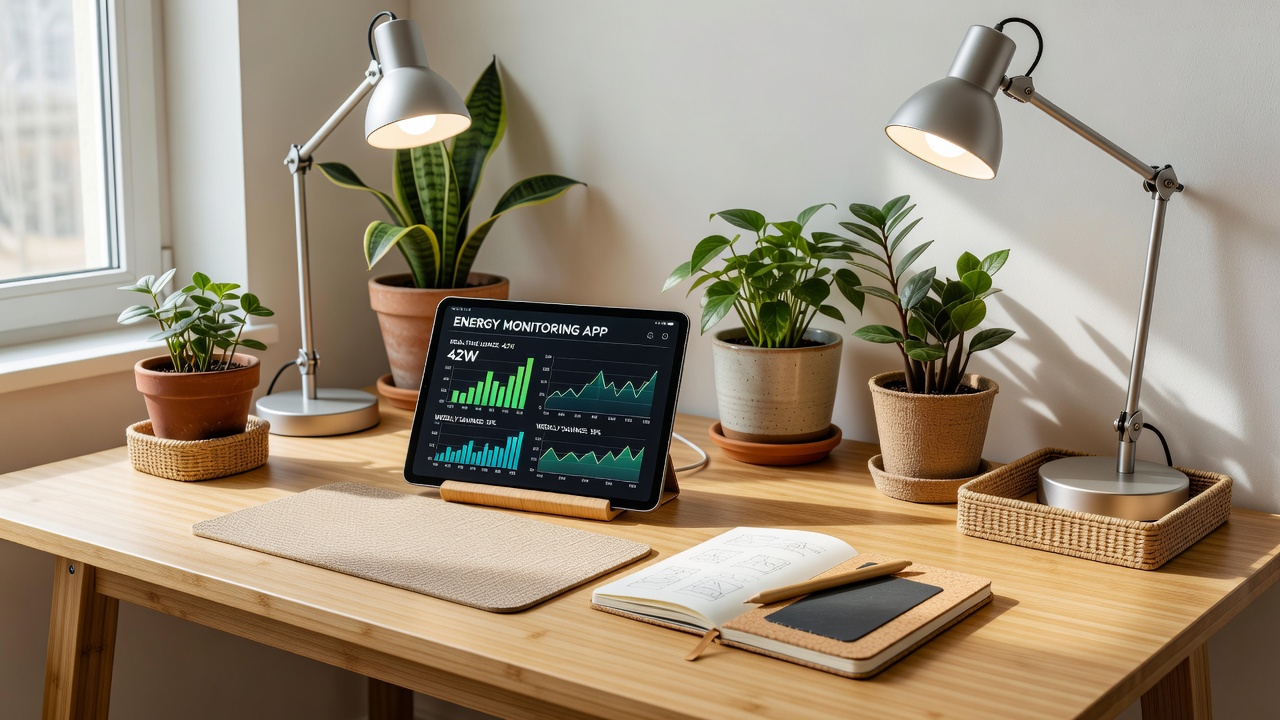
Many freelancers report success by sourcing materials locally and avoiding single-use plastics entirely. Begin by auditing your current setup: replace incandescent bulbs with LEDs, add a small indoor herb garden for dual air quality and productivity benefits, and select ergonomic chairs made from recycled materials. Position your desk near natural light sources to reduce daytime reliance on artificial lighting. For those in apartments, compact vertical gardens or air-purifying species like snake plants offer space-efficient solutions. Over time, these adjustments create a healthier work environment that supports focus while minimizing resource consumption.
Adopting Paperless Workflows
Eliminate paper through digital contracts, e-signatures via tools like DocuSign, and cloud storage. Real-world examples show freelancers saving time and resources while maintaining professionalism. Create checklists for digitizing invoices, client communications, and record-keeping. Transition gradually by scanning existing documents into organized folders and using note-taking apps instead of physical notebooks. This approach reduces storage needs and simplifies collaboration with international clients across time zones. Successful freelancers often integrate automation tools that generate reports automatically, further cutting down on manual printing requirements.
Carbon Offsetting for Freelance Gigs
Calculate emissions from travel or high-energy tasks and invest in verified offset programs. Platforms specializing in freelance work often partner with reforestation initiatives. Track progress using apps that provide transparent reporting on offset impacts. Start by estimating your annual footprint with free online calculators, then select projects focused on renewable energy or forest preservation. Many digital nomads combine offsetting with lifestyle changes such as choosing trains over flights for shorter trips whenever possible. This dual strategy amplifies positive effects and demonstrates commitment to clients interested in sustainable collaborations.
Comparing Green Freelance Platforms
Evaluate platforms based on their sustainability policies. Some prioritize remote-first models that reduce commuting emissions, while others offer carbon calculators for users. Review features like eco-badges for clients committed to green practices. Key comparison points include whether the platform powers its servers with renewables, provides educational resources on sustainability, and supports community initiatives for freelancers. Popular options often highlight verified carbon-neutral operations, helping users align their gig sourcing with personal values. Reading annual impact reports from these platforms reveals concrete data on emissions reductions achieved collectively by their user base.
Measuring Personal Sustainability Metrics
Use free tools to monitor electricity usage, waste reduction, and overall carbon output. Set monthly goals and review data to identify improvement areas. Successful freelancers often share metrics publicly to inspire peers. Implement a simple tracking system by logging weekly energy readings from utility apps and noting waste diverted from landfills. Over several months, patterns emerge that guide targeted adjustments, such as upgrading to more efficient routers or scheduling high-energy tasks during off-peak hours. This data-driven approach ensures continuous improvement and provides tangible evidence of progress for portfolio case studies.
Case Studies: Freelancers Reducing Their Footprint
One digital nomad in Southeast Asia cut emissions by 40% through a combination of renewable-powered co-working spaces and paperless client management. They began by auditing travel habits and switched to virtual meetings where feasible, while powering their laptop exclusively through solar accessories during sunny months. Another in Europe achieved similar results by switching to energy-efficient hardware and local sourcing for office supplies. This freelancer documented their journey in a public blog, detailing how small daily habits compounded into major yearly savings. Both examples illustrate that region-specific adaptations, from leveraging local climate advantages to community resource sharing, make substantial reductions achievable regardless of location or freelance niche.
Actionable Checklists for Implementation
- Audit current energy use and replace high-consumption items with certified efficient alternatives.
- Switch to digital tools and verify their green credentials through published sustainability reports.
- Establish a weekly review of sustainability metrics using simple spreadsheets or apps.
- Research and select one verified offset project per quarter aligned with your emission sources.
- Network with other green freelancers through online communities to exchange tips and resources.
Common Mistakes to Avoid
Many beginners overlook phantom energy from standby devices or choose unverified offset providers that lack transparency. Another frequent error is attempting a complete overhaul immediately rather than phasing changes gradually. Avoid purchasing new green gadgets without first maximizing the efficiency of existing equipment. Always cross-reference claims from software providers with independent certifications to ensure genuine environmental benefits.
FAQ: Addressing Cost and Feasibility Concerns
Is going green expensive for freelancers? Many strategies, such as paperless systems and efficient settings, require little to no upfront investment and often save money long-term through reduced utility and supply costs.
Can beginners start without major changes? Yes, begin with small steps like optimizing device settings and digitizing one workflow before scaling to full office overhauls.
How do I verify platform sustainability claims? Check third-party certifications and annual environmental reports published by the companies on their official websites.
Does sustainability affect client acquisition? Increasingly yes, as more businesses seek partners who demonstrate environmental responsibility through documented practices.
Conclusion: Thriving Sustainably in 2026 and Beyond
Green remote work empowers freelancers to contribute positively to the planet while building profitable careers. By implementing these strategies, you join a growing movement that proves profitability and responsibility go hand in hand. Start today with one change and build from there for lasting impact. The 2026 freelance landscape rewards those who adapt thoughtfully, ensuring both personal success and collective environmental progress.

No comments yet. Be the first!