 Jobboy

Why Emotional Intelligence Matters More Than Ever for Remote Freelancers
In 2026, remote freelancing continues to dominate the gig economy, with professionals collaborating across continents and time zones. While technical skills remain essential, emotional intelligence (EI) has emerged as the differentiator that drives repeat clients, smoother collaborations, and sustainable careers. EI encompasses self-awareness, self-regulation, motivation, empathy, and social skills, all of which help freelancers interpret subtle digital cues and maintain strong connections without face-to-face interaction.
Research from leading psychological organizations shows that high EI correlates with better conflict resolution and client retention in distributed work environments. This article provides in-depth guidance tailored to freelancers seeking advanced soft skills that go far beyond basic productivity apps. Understanding your own emotional triggers during high-pressure deadlines allows you to respond thoughtfully rather than react impulsively, preserving professional relationships that might otherwise fracture over misinterpreted messages.
Recognizing Emotional Cues in Virtual Meetings
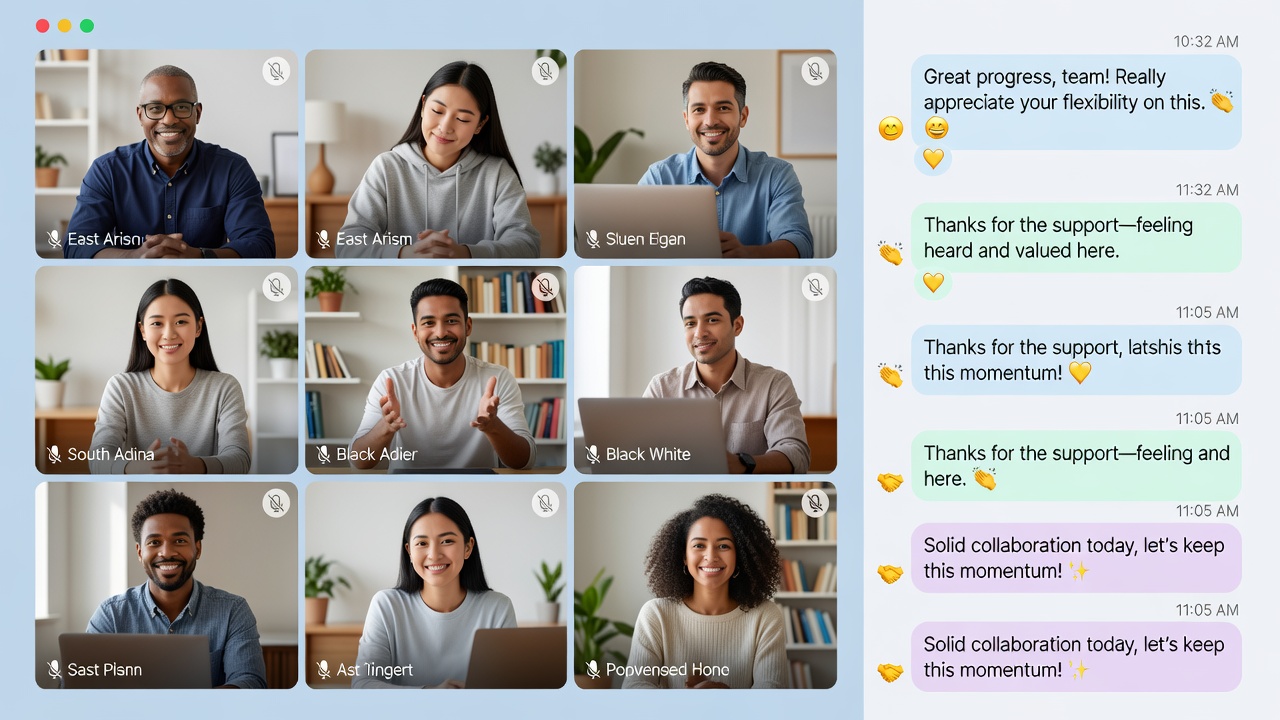
Virtual meetings strip away many nonverbal signals, making it critical to tune into tone of voice, response timing, camera angles, and chat behavior. A client who types short replies or turns off their camera mid-call may signal frustration or disengagement. Freelancers can practice active listening by summarizing points and asking clarifying questions to confirm understanding. Pay attention to micro-expressions visible even on small screens, such as furrowed brows during discussions about scope changes or sudden shifts in vocal energy when timelines are mentioned.
Digital nomads often report using video analysis tools to review recordings afterward, noting patterns in body language that reveal unspoken concerns. For instance, one freelancer noticed a client repeatedly glancing away during budget conversations, prompting an early follow-up email that clarified expectations and prevented a larger dispute weeks later. Practicing this skill daily builds intuition that makes every interaction more productive.
Managing Conflict Across Time Zones
Time zone differences can amplify misunderstandings, as delayed responses are sometimes misinterpreted as avoidance. Effective EI involves pausing before reacting, assuming positive intent, and scheduling buffer periods for thoughtful replies. One proven approach is to establish shared communication norms at project kickoff, such as response time expectations and preferred channels for urgent matters versus routine updates.
For example, a freelancer based in Europe working with a U.S. client might proactively send daily summaries to prevent overnight escalations. When conflict arises, reframe the situation by asking open-ended questions like “How can we adjust this timeline to work better for your team?” instead of defending your position immediately. This technique has helped many remote workers de-escalate issues that could have led to lost contracts.
Building Empathy in Asynchronous Communication
Asynchronous tools like email, Slack, and project management platforms require deliberate empathy. Writers should consider the recipient’s workload and cultural context before sending messages. Adding phrases that acknowledge effort, such as “I appreciate the quick turnaround on this,” fosters goodwill and encourages reciprocal understanding. Cultural differences in communication styles also play a role; some clients prefer direct language while others value relationship-building small talk even in text.
5 Actionable Steps with Real-World Examples
- Daily Self-Reflection Journaling: Spend five minutes each evening rating your emotional state during client interactions and noting specific triggers. A digital nomad in Bali uses this practice to adjust her tone in follow-up messages, leading to higher project renewal rates and fewer revision requests over time.
- Mirror and Label Emotions: In video calls, verbally acknowledge observed feelings (“It sounds like this deadline is causing some stress”). A European freelancer applied this technique with an Australian team and resolved a scope dispute within one meeting by validating concerns first.
- Practice Perspective-Taking Exercises: Before responding to feedback, write the client’s possible viewpoint in your own words. One nomad in Portugal credits this habit with turning a negative review into a long-term retainer by demonstrating genuine understanding of the client’s business pressures.
- Build Micro-Rituals for Connection: Send personalized check-ins on local holidays or after major client milestones. This technique helped a South American freelancer maintain relationships across four continents, resulting in consistent referrals even during slower seasons.
- Seek Feedback Loops: After each major deliverable, request brief emotional feedback alongside task feedback. Nomads in Southeast Asia have used this method to refine their approach and reduce revision cycles dramatically while strengthening trust.
EI Compared with Traditional Productivity Tools
Traditional tools like Asana or Trello excel at task tracking and deadlines, yet they cannot interpret emotional undercurrents or repair damaged relationships. EI complements these platforms by improving how freelancers interpret feedback and negotiate scope changes. Where productivity software reduces operational friction, emotional intelligence reduces interpersonal friction—creating a powerful combination for long-term success. Many freelancers find that combining both approaches leads to higher client satisfaction scores and fewer misunderstandings than relying on task management alone.
Measuring Your EI Progress as a Remote Professional
Tracking improvement requires intentional metrics beyond vague feelings of “getting along better.” Consider quarterly self-assessments using free emotional intelligence quizzes from reputable sources, combined with tracking client retention rates and positive feedback frequency. Another practical method involves reviewing your communication logs monthly to identify patterns, such as reduced instances of needing to clarify tone. Over time, these measurements reveal tangible growth that directly impacts your ability to secure higher-value projects.
Conclusion
Developing emotional intelligence equips remote freelancers to thrive amid the complexities of 2026’s distributed work landscape. By focusing on cue recognition, conflict management, empathy, and the five actionable steps outlined above, professionals can elevate client satisfaction and team dynamics beyond what technical skills alone achieve. Consistent practice turns EI into a reliable competitive advantage in the evolving gig economy.
Frequently Asked Questions
How long does it take to improve emotional intelligence?
Noticeable gains typically appear within 4–6 weeks of consistent practice, though mastery is an ongoing journey that deepens with real-world application across diverse client interactions.
Can EI be learned, or is it innate?
EI is highly trainable through deliberate habits and reflection, as supported by resources from the American Psychological Association.
What if my client seems emotionally unavailable?
Focus on clear, empathetic communication and documented agreements to reduce ambiguity while gently inviting more open dialogue when appropriate.
Are there tools that help develop EI?
Apps for mood tracking and guided reflection pair well with established productivity platforms, while books and online courses from recognized institutions provide structured learning paths.
How does EI affect freelance income?
Higher EI often leads to stronger referrals and repeat business, supporting steadier revenue streams and the ability to command premium rates over time.
Should I disclose my EI development efforts to clients?
Subtle demonstration through improved communication is usually more effective than explicit statements, allowing results to speak for themselves.


No comments yet. Be the first!