 Jobboy

Introduction: Why Client Retention Matters More Than Ever in 2026
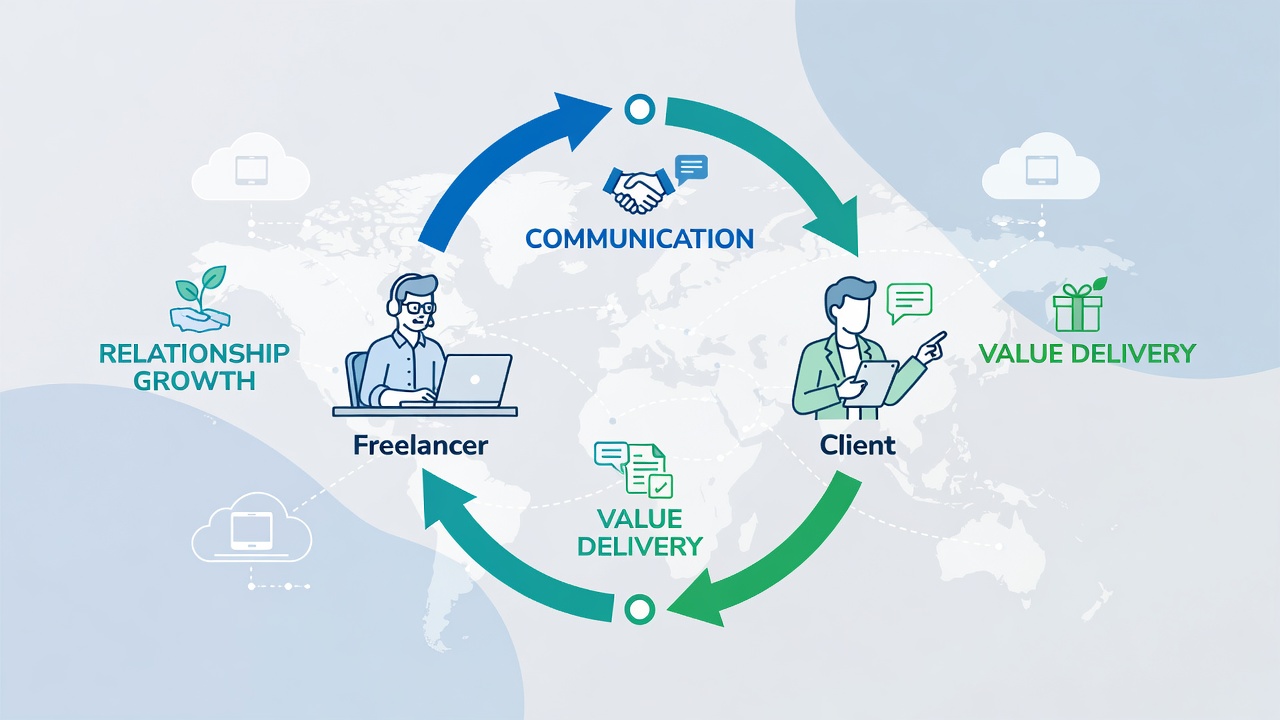
In the evolving gig economy, remote freelancers face increasing competition from around the globe. While acquiring new clients remains important, retaining existing ones delivers stable income, reduces marketing efforts, and fosters opportunities for recurring revenue. This comprehensive guide explores actionable client retention strategies tailored specifically for remote workers, including personalized communication, proactive value delivery, upselling techniques, and effective feedback loops. Real-world examples from digital nomads illustrate how these methods work in practice, helping freelancers build lasting partnerships that withstand the challenges of virtual collaboration.
Studies from sources like the Bureau of Labor Statistics highlight the growth of independent work, underscoring the need for strong retention practices. By focusing on relationship-building rather than one-off projects, freelancers can create predictable cash flow and professional fulfillment without the constant pressure of lead generation.
Personalized Communication Tactics for Stronger Connections
Communication forms the backbone of client retention in remote settings. Generic check-ins often fall flat, so tailoring your approach to each client's communication style and business objectives is essential. Start by noting preferences during initial consultations—some clients prefer concise emails, while others value detailed video updates or collaborative documents.
Implement a system for regular touchpoints, such as bi-weekly progress summaries or monthly strategy calls. Reference specific past discussions to demonstrate attentiveness, which builds trust over time. Digital nomads frequently operating across multiple time zones rely on asynchronous tools like Slack channels or shared project boards in Notion to keep conversations flowing without disrupting client routines. For example, a freelance content strategist working from Bali might send time-stamped video messages that clients can review at their convenience, resulting in higher engagement and fewer misunderstandings.
Another effective tactic involves celebrating client milestones. Send personalized notes acknowledging business achievements, such as a product launch or funding round. This humanizes the relationship and positions you as a invested partner rather than a transactional service provider.
Proactive Value Delivery Beyond Core Deliverables
Retention improves dramatically when freelancers anticipate needs and deliver unexpected value. Rather than waiting for requests, monitor industry trends relevant to your clients and share curated insights proactively. A web developer might forward articles on emerging accessibility standards or suggest optimizations based on recent analytics data.
Consider conducting quarterly value audits where you review project outcomes and recommend enhancements aligned with the client's growth trajectory. This transforms the dynamic into a true collaboration. Remote freelancers who adopt this habit often report increased loyalty and referrals, as clients perceive them as strategic allies invested in long-term success.
Real-world examples abound among digital nomads. One graphic designer based in Portugal consistently shares seasonal branding trends with e-commerce clients, leading to repeat projects and upsell opportunities. Such proactivity not only strengthens bonds but also differentiates you in a crowded marketplace.
Upselling Techniques That Feel Authentic and Client-Centric
Upselling should always stem from genuine opportunities to enhance client results. Identify potential gaps during ongoing work and present suggestions framed around measurable benefits. For instance, after completing a branding package, propose an ongoing social media management retainer by explaining how it maintains consistency and drives engagement.
Use data-backed language: reference specific metrics from the current project to justify expansions. Digital nomads in fields like digital marketing have successfully upsold through phased roadmaps that evolve with client needs. The key is timing—introduce ideas during positive feedback moments rather than at project closeout, making the conversation feel collaborative instead of sales-driven.
Avoid aggressive pitches. Instead, offer tiered options that empower clients to choose what fits their budget and goals, fostering a sense of control and partnership.
Using Feedback Loops to Drive Continuous Improvement
Structured feedback mechanisms help identify issues early and demonstrate responsiveness. After each major milestone, deploy brief surveys or schedule debrief calls focused on what worked and what could improve. Act on suggestions promptly and communicate the changes back to the client to close the loop effectively.
This iterative process builds credibility and encourages open dialogue. Incorporate tools like Google Forms for quick input or dedicated feedback sections in project management software. Over time, these loops refine your service delivery and create advocates who actively promote your work.
Step-by-Step Client Retention Checklist
Use this practical checklist to implement retention strategies systematically:
- Define clear scope, timelines, and communication protocols during project kickoff meetings.
- Send customized thank-you messages highlighting specific contributions upon project completion.
- Request testimonials and referrals at natural high points, such as after positive results.
- Schedule quarterly follow-ups with tailored resources, trend reports, or light check-ins.
- Maintain detailed CRM notes to track preferences, past projects, and sentiment indicators.
- Review retention metrics like repeat project rates every six months to identify patterns.
- Invest in professional development that directly benefits your core client industries.
Common Pitfalls to Avoid in Remote Client Relationships
Even experienced freelancers encounter setbacks. Overpromising on deliverables or availability leads to disappointment and churn. Inconsistent responsiveness, especially across time zones, erodes trust quickly. Another frequent error involves neglecting established clients while pursuing new business—maintain balance by allocating dedicated time for relationship nurturing.
Additionally, failing to adapt communication styles or ignoring subtle feedback signals can cause relationships to stagnate. Address these proactively by setting boundaries early and conducting regular self-assessments of client interactions.
Measuring Success and Scaling Retention Efforts
Track key indicators such as client lifetime value, repeat engagement rates, and referral volume to gauge effectiveness. Use simple spreadsheets or lightweight CRM systems to monitor trends without added complexity. Successful remote freelancers often attribute 60-70% of revenue to retained clients, highlighting the financial impact of these strategies.
Resources from the U.S. Small Business Administration provide frameworks for customer relationship management that adapt well to freelance operations. Experiment with one or two tactics initially, then expand based on results.
Conclusion
Mastering client retention strategies empowers remote freelancers to build resilient careers amid the dynamic 2026 gig economy. Through consistent personalized communication, proactive value addition, thoughtful upselling, and responsive feedback systems, you can minimize churn and cultivate recurring revenue streams. Draw inspiration from digital nomad examples, apply the retention checklist, and steer clear of common pitfalls to foster enduring client partnerships. Begin incorporating these approaches today for sustainable professional growth and greater work-life balance.


No comments yet. Be the first!