 Jobboy

Introduction: Thriving as a Neurodivergent Creator in 2026
The creator economy continues to evolve rapidly, offering new opportunities for neurodivergent individuals who prefer remote, low-interaction work. In 2026, micro-niches focused on newsletters, technical writing, and data curation stand out because they minimize real-time social demands while leveraging unique strengths like deep focus and pattern recognition. Neurodivergent freelancers often face challenges with traditional office environments or high-social-content creation, making asynchronous models ideal. This article examines these niches in depth, covering selection criteria, monetization strategies, productivity tools, real-world examples, audience-building tactics, and detailed platform comparisons to help creators build sustainable income streams.
Why Neurodivergent Freelancers Excel in Low-Interaction Niches
Neurodivergent professionals often bring exceptional attention to detail, specialized knowledge, and the ability to hyperfocus on complex topics. Niches requiring asynchronous output allow creators to work during optimal focus periods without constant meetings, live streams, or client calls. Low-interaction models reduce sensory overload and support sustainable income growth by allowing creators to batch work and avoid burnout triggers common in high-visibility roles. Many find success by channeling traits like intense curiosity into research-heavy tasks that others might find tedious, turning potential challenges into competitive advantages in the remote freelance space.
High-Potential 2026 Micro-Niches
Several creator economy segments show strong potential for 2026. Niche newsletters on topics like accessibility tools, data ethics, or specialized industry trends deliver recurring value through curated insights delivered directly to inboxes. Technical writing for open-source documentation, compliance guides, or API explanations attracts steady clients who value precision over personality-driven content. Data curation services, such as compiling industry reports, cleaning datasets for researchers, or organizing public data repositories, provide high-value deliverables with minimal ongoing interaction. Additional emerging areas include creating specialized resource libraries for remote workers with similar neurodivergent profiles and producing annotated bibliographies for academic or professional fields.
Criteria for Selecting the Right Niche
- Alignment with personal expertise and hyperfocus areas to ensure long-term engagement without exhaustion
- Low real-time engagement requirements that respect energy fluctuations throughout the day
- Scalable monetization through digital products that can be created once and sold repeatedly
- Growing demand in remote work markets backed by increasing interest in specialized knowledge
- Opportunities for affiliate partnerships with tools and resources that fit naturally into content
Evaluating these factors helps creators avoid oversaturated areas and focus on sustainable paths that match their cognitive styles.
Monetization Through Digital Products and Affiliates
Creators can sell templates, guides, curated datasets, or exclusive research summaries directly via their own sites or platforms. Affiliate models work well by recommending productivity software, research databases, or accessibility tools within newsletters, earning commissions on referred sales. These approaches create passive revenue streams while maintaining control over workload. For example, a data curation creator might offer tiered access to cleaned datasets or sell annual reports as downloadable products, combining one-time sales with recurring subscriptions for compounded income.
Practical Tools for Focus and Productivity
Effective tools include task managers with customizable timers and visual progress tracking, noise-cancelling apps for creating distraction-free environments, and writing assistants that support structured output without overwhelming interfaces. Many freelancers combine calendar blocking techniques with optional body-doubling virtual sessions tailored for neurodivergent needs. Additional options involve using browser extensions for focus mode, project management software with minimal notifications, and note-taking apps that allow nonlinear thinking patterns. Experimenting with combinations helps identify what sustains energy over long sessions.
Real-World Examples of Successful Neurodivergent Freelancers
One technical writer built a sustainable income curating compliance newsletters for SaaS companies by focusing on regulatory updates and delivering weekly digests that save clients hours of research. Another data curator launched a membership series featuring organized public datasets on emerging tech trends, attracting subscribers through targeted outreach in professional forums. A third example involves a freelancer who specializes in accessibility-focused technical documentation, using their personal experience to create guides that help companies improve digital inclusion, leading to repeat contracts from government contractors and tech firms seeking expertise in this area.
Step-by-Step Audience-Building Tactics
- Start with consistent, high-quality output on a single platform to establish a recognizable voice without spreading efforts thin
- Engage through thoughtful comments and replies in relevant online communities rather than live interactions
- Cross-promote via niche forums, industry newsletters, and targeted email list growth strategies
- Offer free lead magnets such as sample reports or checklists to grow subscribers organically
- Analyze engagement data regularly to refine content topics and delivery timing for better retention
- Collaborate asynchronously with other creators on joint resources to expand reach without direct networking pressure
Substack vs Patreon: Platform Comparison
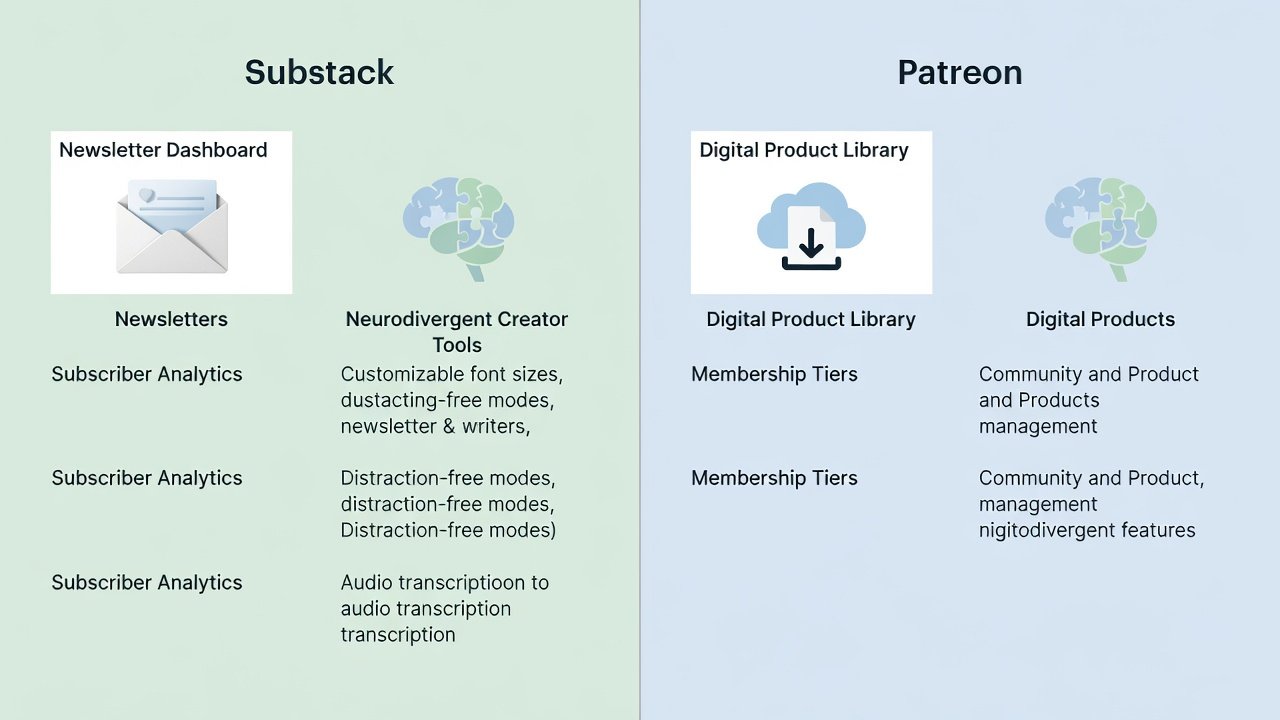
Substack excels for newsletter-focused creators with built-in discovery features, easy subscription management, and strong emphasis on written content reach. Patreon offers more flexible tiers for digital products, community perks, and varied access levels, suiting data curation creators who want to offer exclusive reports or datasets. Substack emphasizes writing and audience growth through recommendations, while Patreon supports broader product monetization and recurring pledges with customizable reward structures. Creators often test both to see which aligns better with their content style and audience preferences.
FAQs: Managing Energy Levels and Avoiding Burnout
How can I manage energy while scaling income?
Schedule deep-work blocks during peak focus hours and set strict boundaries around response times. Use automation for routine tasks like email sorting to preserve mental resources for high-value creative work.
What signs indicate impending burnout?
Watch for reduced output quality, increased procrastination on core tasks, and physical fatigue signals. Regular breaks, niche pivots when interest wanes, and periodic reviews of workload help maintain balance.
Is it possible to maintain multiple income streams without overload?
Yes, by prioritizing one primary niche initially and adding secondary streams only after the first is stable. Batch creation of content and products across streams minimizes context switching.
How do I handle fluctuating energy levels in client work?
Communicate clear availability windows upfront and build buffer time into project timelines. Choosing niches with flexible deadlines supports this approach effectively.
Conclusion
Neurodivergent remote freelancers can build thriving careers in 2026 by targeting low-interaction creator niches. With strategic niche selection, digital monetization, supportive tools, and thoughtful audience strategies, sustainable growth becomes achievable while honoring individual energy needs and cognitive strengths.

No comments yet. Be the first!