 Jobboy

Introduction
The creator economy in 2026 presents unique opportunities for remote freelancers to transition from unpredictable gig work to more resilient income models. Economic fluctuations have made many traditional freelance paths less reliable, prompting creators to seek niches that offer consistent demand and multiple revenue streams. This comprehensive guide explores low-competition areas tailored for stability, such as specialized education content and wellness micro-communities, while providing detailed strategies for monetization, audience building, and risk management. By focusing on evergreen topics that align with professional development and personal well-being, freelancers can create sustainable businesses that support remote lifestyles without reliance on location-specific clients.
Niche Selection Criteria for Long-Term Stability
Selecting the right niche requires careful evaluation beyond surface-level popularity. Remote freelancers should assess market demand through keyword research tools and social listening to identify topics with sustained interest rather than fleeting trends. Low competition is crucial; niches with fewer than a dozen established players allow quicker visibility. Alignment with personal expertise ensures authentic content creation, which builds trust faster. Additional criteria include monetization potential through paid subscriptions or products, scalability via digital formats, and resilience to economic downturns. For instance, education-focused niches around career advancement in tech or sustainability tend to thrive because professionals invest in upskilling during uncertain times. Wellness niches centered on mental health for distributed teams also perform well, as remote work continues to expand globally. Avoid oversaturated areas like general fitness or broad lifestyle advice, which face high competition and algorithm dependency.
Promising Niches for 2026
Specialized Education Content
This niche targets mid-career professionals needing targeted skills in areas like ethical AI implementation, remote team leadership, or green business strategies. Content can include in-depth guides, video tutorials, and interactive workshops. Demand remains high as industries adapt to technological shifts, offering creators opportunities to position themselves as thought leaders. Examples include series on navigating regulatory changes in emerging tech sectors or building inclusive virtual workplaces.
Wellness Micro-Communities
Focused on specific wellness aspects for remote workers, such as preventing digital burnout, incorporating mindfulness into hybrid schedules, or nutrition for sedentary lifestyles. These communities foster engagement through exclusive forums, live sessions, and personalized challenges. They appeal to freelancers and employees alike seeking practical, niche solutions rather than generic advice. Both niches benefit from low entry barriers for new creators while providing high retention through value-driven interactions.
Monetization via Newsletters and Digital Products
Newsletters form the foundation for direct audience relationships and recurring revenue. Start with free weekly issues delivering actionable insights, then introduce paid tiers for deeper dives, exclusive resources, or Q&A sessions. This model encourages loyalty while generating predictable income. Digital products extend reach without ongoing time investment; create once and sell repeatedly through automated funnels. Popular options include e-books compiling niche expertise, template packs for productivity systems, or online courses with modules on specialized topics. Affiliate integration adds another layer by promoting relevant tools, such as software for content creation or wellness apps, earning commissions on referrals. Always follow disclosure best practices outlined by the Federal Trade Commission to maintain credibility. Combining these methods—newsletters for engagement, products for scalability, and affiliates for passive earnings—creates diversified streams that buffer against fluctuations in any single area.
Real-World Case Studies
Consider a remote freelancer who launched a specialized education newsletter focused on sustainable business practices. By consistently publishing case studies and hosting virtual roundtables, they grew to a subscriber base that supported tiered memberships and a companion digital course on carbon footprint reduction strategies. This approach allowed full remote operation with minimal overhead. Another example involves a creator building a wellness micro-community around mindful productivity for freelancers. They offered digital journals and affiliate links to meditation apps, resulting in multiple income sources while traveling and working from various locations. These cases demonstrate how targeted niches enable freelancers to achieve stability without traditional office ties.
Practical Steps for Audience Growth
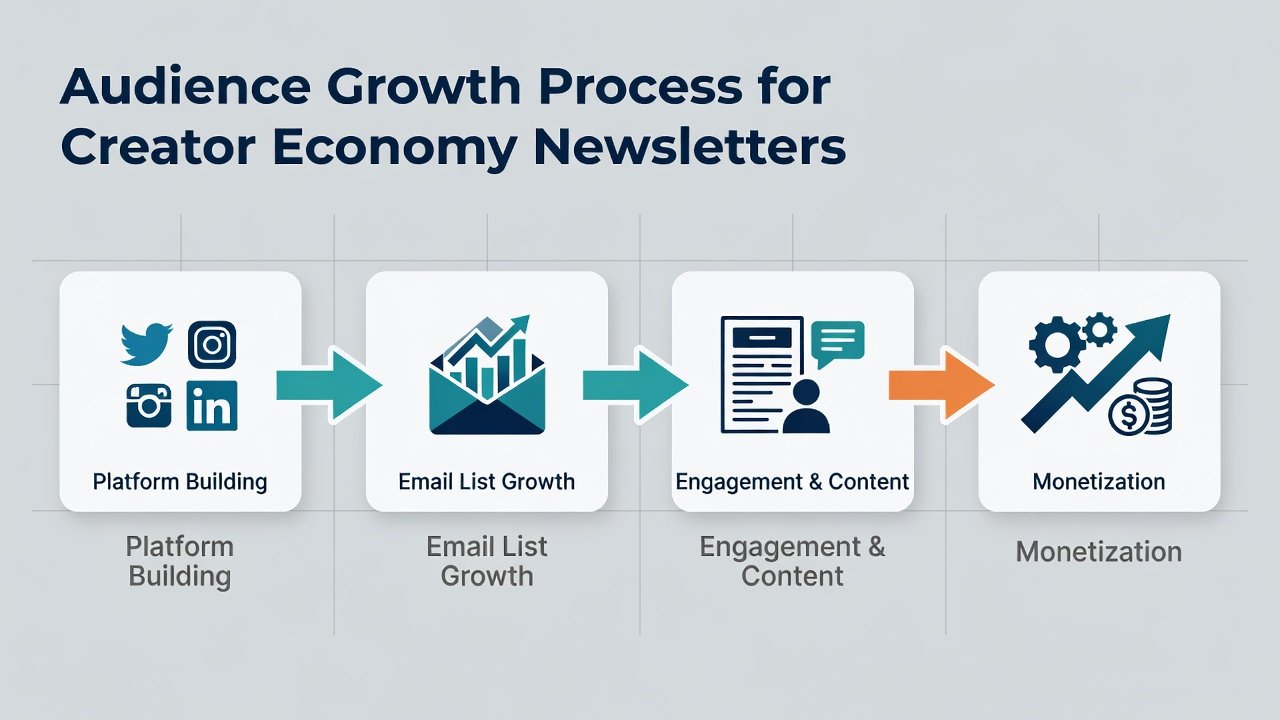
Building an audience demands consistent, strategic effort. Begin by defining your ideal reader persona based on pain points identified through polls on platforms like LinkedIn or Twitter. Create a content calendar emphasizing value, such as weekly deep dives or tip lists, to encourage shares. Optimize for search by incorporating relevant keywords naturally. Leverage collaborations by guest posting on complementary sites or co-hosting webinars. Implement lead magnets like free checklists to capture emails early. Track metrics such as open rates and engagement to iterate quickly. Utilize SEO techniques and cross-promotion to accelerate growth without heavy ad spend. Over time, this compounds into a loyal community ready for monetized offerings.
Platform Recommendations
Choose platforms that prioritize creator ownership and ease of use. Substack stands out for newsletters due to its seamless subscription tools and discovery features. Substack enables focus on content over tech. Patreon excels for community-driven digital products and memberships, offering flexible tiers. Patreon supports direct fan connections ideal for micro-communities. Supplement with email service providers for list management and analytics tools to monitor performance across channels.
Risk Mitigation Tactics
To safeguard income, diversify across at least three streams from the outset. Build an owned email list to reduce platform dependency. Stay compliant with regulations around disclosures and taxes by consulting resources like the Internal Revenue Service guidelines for self-employed creators. Prepare for niche shifts by maintaining flexible content plans and monitoring trends quarterly. Remote freelancers should also establish emergency funds and insurance options to handle income variability. Regular audience feedback loops help anticipate changes and adapt offerings proactively, ensuring long-term resilience.
Actionable FAQs
How long does it take to see results in these niches?
Initial audience traction typically emerges within three to six months of consistent publishing, but achieving financial stability often requires 12 to 18 months of refining content and testing monetization. Patience combined with data-driven adjustments accelerates progress.
Can these niches support fully remote lifestyles?
Absolutely. All strategies rely on digital delivery and virtual engagement, allowing creators to operate from any location with internet access while maintaining work-life balance through flexible scheduling.
What if competition increases in a chosen niche?
Differentiate by narrowing focus further or integrating unique personal experiences. Continuous innovation, such as adding interactive elements or seasonal updates, helps maintain an edge over newcomers.
How should beginners handle initial monetization attempts?
Start small with free content to build trust, then introduce low-barrier paid options like single digital downloads before scaling to subscriptions. Test pricing through audience surveys to align with perceived value.
What tools are essential for managing these creator businesses remotely?
Core tools include email platforms for newsletters, analytics dashboards for performance tracking, and secure payment processors for product sales. These enable efficient operations without physical infrastructure.
Conclusion
Remote freelancers can secure stable futures in the 2026 creator economy by strategically selecting niches like specialized education and wellness micro-communities. Through thoughtful monetization, deliberate audience growth, and proactive risk management, these approaches deliver resilient income while preserving location freedom. Begin with research tailored to your strengths, execute plans methodically, and prioritize genuine value to foster lasting success and adaptability in an evolving landscape.

No comments yet. Be the first!