 Jobboy

Introduction to the 2026 Creator Economy for Remote Freelancers
The creator economy continues to evolve rapidly, offering remote freelancers fresh opportunities to transition from one-off gigs to sustainable recurring income. In 2026, niches like specialized newsletters and digital products stand out as high-demand areas where freelancers can leverage their expertise without being tied to traditional client work. This shift emphasizes building owned audiences and diversified revenue streams while maintaining work-life balance. Remote freelancers often face inconsistent income and burnout from project-based work. By focusing on creator monetization, they can create assets that generate passive or semi-passive earnings. This article explores emerging niches, provides a practical framework for niche selection, details setup processes for key platforms, shares real examples, compares tools, and offers audience-building strategies.
Understanding the broader landscape helps freelancers position themselves effectively. The move toward creator-led businesses allows individuals to own their intellectual property and customer relationships directly, reducing reliance on platforms or agencies that take large cuts. As remote work normalizes globally, demand grows for content that addresses location-independent challenges such as time zone management, digital nomad taxes, and asynchronous collaboration tools.
Emerging 2026 Creator Economy Niches
Several niches are gaining traction for remote freelancers seeking monetization. Niche newsletters focused on industry-specific insights, such as AI ethics for marketers or sustainable supply chains for logistics professionals, allow creators to deliver high-value content directly to subscribers. Digital products like templates, courses, and toolkits complement these by offering one-time purchases that scale without ongoing effort.
Other promising areas include personalized productivity systems for remote workers and compliance guides for freelancers in regulated industries. These niches thrive because they solve specific pain points and attract engaged audiences willing to pay for exclusivity and expertise. Freelancers can start by auditing their existing skills from gig work and mapping them to underserved subtopics within broader markets. Additional emerging opportunities involve eco-friendly remote work practices, data privacy toolkits for independent consultants, and mental health resources tailored to gig economy participants. Each of these benefits from low barriers to entry since freelancers already possess firsthand experience that resonates with peers facing similar issues.
Success in these niches often stems from hyper-specific positioning rather than broad topics. For instance, a newsletter solely on Notion templates for solopreneurs can outperform general productivity content by attracting subscribers ready to purchase related digital downloads immediately.
Step-by-Step Niche Selection Framework
Selecting the right niche requires a structured approach to ensure long-term viability. Follow these steps:
- Identify your core expertise from past freelance projects and list 5-10 potential sub-niches.
- Research audience demand using keyword tools and social listening to gauge search volume and engagement.
- Assess competition by reviewing existing creators in the space and identifying gaps, such as underserved regions or emerging trends.
- Evaluate monetization potential by considering willingness to pay and complementary products.
- Test the niche with a minimum viable offer, like a free lead magnet, before full commitment.
This framework helps freelancers avoid oversaturated markets and focus on profitable, passion-aligned areas. Expanding on step three, competition analysis should include examining subscriber counts on similar publications and noting which topics receive the most comments or shares. In step four, consider bundling newsletter access with digital downloads to increase average revenue per user. Testing in step five might involve a simple landing page that collects emails in exchange for a sample resource, allowing measurement of conversion rates before investing heavily in paid tiers.
Setting Up Patreon and Substack for Creator Income
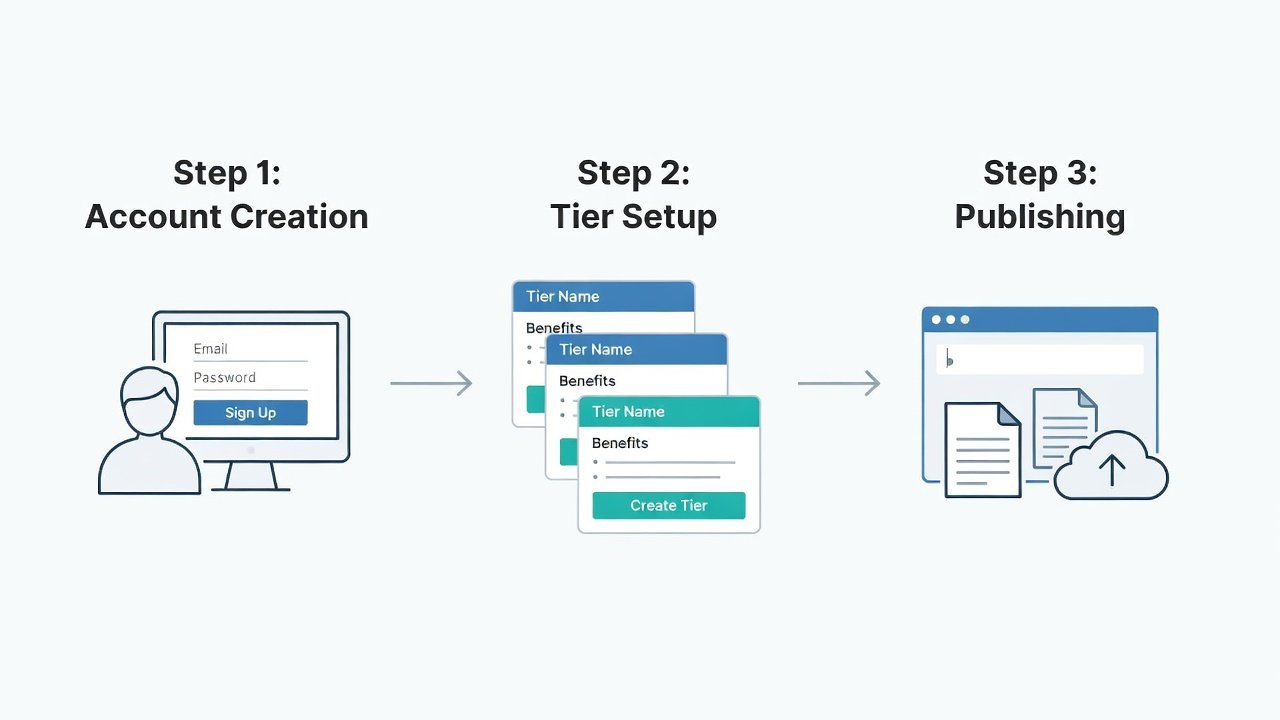
Platform setup is straightforward and enables quick monetization. On Patreon, begin by creating an account, selecting a creator category like writing or education, and setting up membership tiers with clear benefits. Integrate payment processing and promote your page across freelance networks. Additional tips include using high-quality cover images, writing compelling tier descriptions that highlight exclusive content, and scheduling regular posts to maintain momentum from launch.
Substack offers a simpler entry for newsletters. Sign up, choose a publication name aligned with your niche, customize the design, and launch with an introductory post. Both platforms support paid subscriptions and integrate with email tools for audience growth. Combine them by using Substack for broad reach and Patreon for exclusive digital products. For optimal results on Substack, import an existing email list if available, optimize the welcome email sequence, and cross-promote with other creators through guest posts or shoutouts. On Patreon, leverage polls and direct messaging features to build community loyalty that encourages higher-tier upgrades over time.
Real-World Examples of Freelancers Scaling to Five Figures
Many remote freelancers have successfully transitioned. One example is a former copywriter who launched a newsletter on freelance tax strategies, growing to a loyal paid subscriber base through consistent SEO-optimized content. Another freelancer created digital product bundles around remote team management, using social proof from client work to drive sales. These cases highlight the importance of starting small, iterating based on feedback, and reinvesting earnings into audience expansion.
A third example involves a graphic designer who focused on niche digital templates for remote pitch decks. By sharing free versions on social platforms and directing traffic to paid upgrades, this freelancer reached recurring revenue milestones within nine months. A fourth case features a project manager offering compliance checklists via Patreon, where members receive monthly updates tailored to evolving regulations. These stories demonstrate that combining newsletters with digital products accelerates growth while providing multiple income touchpoints.
Comparisons of Monetization Tools
Key tools differ in features and audience reach. Patreon excels in community building with tiered memberships and direct fan interaction, while Substack prioritizes newsletter delivery and discovery features. Alternatives like Gumroad suit digital product sales with lower fees for one-off transactions. Freelancers should evaluate based on their primary offering—recurring content versus standalone products—and test integrations with analytics platforms for performance tracking. Patreon provides stronger tools for fan engagement such as live chats, whereas Substack offers built-in discovery through its network recommendations. Gumroad shines for quick product launches without subscription management overhead. Consider testing one platform first to master its workflow before expanding to others.
Audience-Building Tactics via SEO and Social Media
Building an audience starts with SEO-optimized content on your own site or newsletter archive. Target long-tail keywords related to your niche and create pillar content that ranks over time. Supplement with social media by sharing value-driven posts on LinkedIn and X, engaging in relevant communities, and collaborating with complementary creators.
Consistency is key: post weekly, track engagement metrics, and use calls-to-action to convert followers into subscribers. Avoid over-reliance on any single platform by owning your email list from day one. For SEO, focus on creating comprehensive guides that answer specific freelancer questions and update them regularly. On social channels, participate in Twitter Spaces or LinkedIn groups dedicated to remote work topics to establish authority. Cross-promotions with established creators can provide initial subscriber boosts, while repurposing newsletter content into short videos expands reach further.
FAQs on Common Pitfalls
- How do I avoid burnout while building a creator business? Set strict boundaries on content creation time and automate where possible with scheduling tools.
- What if my niche doesn't monetize quickly? Validate with free content first and pivot based on subscriber feedback rather than abandoning early.
- Are there legal considerations for digital products? Ensure proper disclaimers and compliance with platform policies, consulting resources like official government small business sites for guidance.
- How should I price initial offerings? Begin with accessible entry points and adjust based on value delivered and audience response.
- What metrics indicate successful growth? Track subscriber retention, engagement rates, and conversion from free to paid tiers over consistent periods.
Conclusion
Transitioning to creator economy niches offers remote freelancers a path to recurring income and greater autonomy in 2026. By applying the frameworks and strategies outlined, freelancers can build sustainable businesses around newsletters, digital products, and engaged communities. Start today by selecting a niche and launching your first platform setup to begin the shift from gigs to ownership. Consistent execution combined with audience feedback loops will help refine offerings and scale effectively over time.

No comments yet. Be the first!