 Jobboy

2026 Creator Economy Niches for Remote Freelance Side Hustlers
The creator economy continues evolving rapidly, offering remote freelancers fresh opportunities to build side hustles alongside full-time gig work. In 2026, low-competition niches tied to remote work and the gig economy allow digital nomads to leverage their skills without quitting their day jobs. This guide covers niche selection criteria, monetization through newsletters and affiliate links, platform choices, and practical steps for building sustainable income streams while integrating relevant keywords for better search visibility.
Niche Selection Criteria for Remote Freelancers
Choosing the right niche starts with aligning personal expertise with market demand. Focus on topics where you already possess knowledge from your freelance work, such as productivity tools or client management. Evaluate competition using keyword research tools to identify searches combining terms like "remote work" and "gig economy." Prioritize niches with growing but underserved audiences, ensuring your content solves specific pain points for other freelancers or digital nomads. Time commitment matters—select areas that fit into existing schedules without burnout. Additional criteria include assessing monetization potential through newsletters and affiliates, checking audience accessibility on platforms like LinkedIn, and verifying long-term viability by reviewing industry trends. For instance, avoid oversaturated topics like general freelancing tips and instead target intersections such as remote work tools for specific industries like healthcare or e-commerce.
Untapped 2026 Creator Economy Niches
Several emerging niches show strong potential for 2026. Consider creating content around AI-assisted gig workflows, where freelancers learn to integrate AI for client deliverables without losing their unique edge. Sustainable remote living for digital nomads covers eco-friendly travel setups, visa strategies, and productivity in co-living spaces. Niche-specific freelance compliance in emerging markets addresses legal and tax hurdles for gig workers in regions like Southeast Asia or Latin America. Another opportunity lies in micro-niches like virtual assistant specialization for health tech startups or content strategy for Web3 freelancers navigating decentralized platforms. These areas combine remote work keywords with low saturation, allowing quick audience growth through targeted searches. Each niche supports affiliate promotions of relevant tools and can scale via newsletters that deliver weekly actionable insights.
Monetization via Newsletters and Affiliate Links
Newsletters provide direct monetization through subscriptions and sponsorships. Start by offering free value-packed issues that build trust, then introduce paid tiers for exclusive resources. Affiliate links integrate naturally by recommending tools like productivity apps or freelance platforms. For example, link to resources that help readers optimize their remote setups or manage gig contracts. Track performance to refine offerings, ensuring content remains authentic to maintain reader loyalty. Practical examples include embedding affiliate links in roundup posts about the best remote collaboration software, where readers click through to purchase and you earn commissions. Over time, this creates recurring revenue while your main freelance work continues uninterrupted.
Platform Comparison: Substack vs Patreon
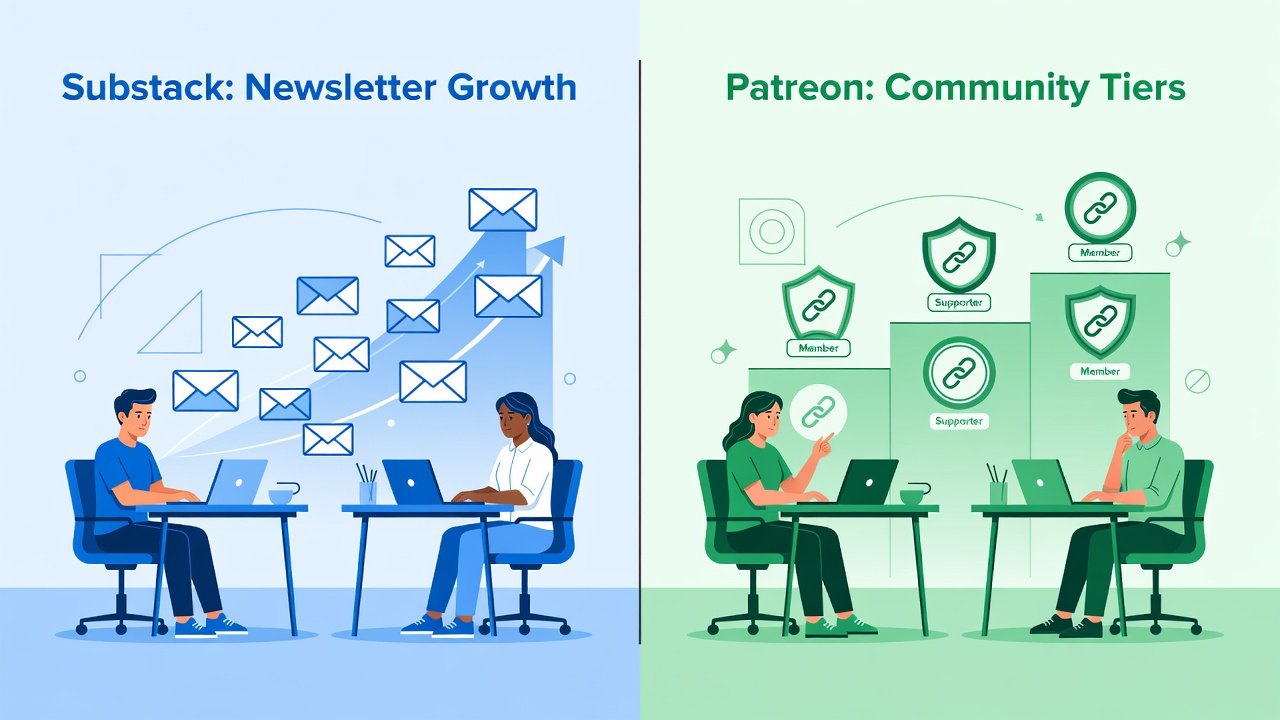
Substack excels for newsletter-focused creators with built-in discovery and easy email delivery, ideal for remote freelancers sharing weekly insights. Substack offers straightforward analytics and monetization from day one, making it simple to grow an audience interested in gig economy topics. Patreon, by contrast, suits community building with tiered memberships and exclusive content like live sessions or templates. Patreon works well if your niche involves ongoing support, such as coaching for gig workers. Compare based on your goals: Substack for broad reach and SEO-friendly archives, Patreon for deeper engagement and custom rewards. Many creators use both in tandem, directing newsletter readers to Patreon for premium interactions.
Step-by-Step Examples of Building Audience Funnels
Building an audience funnel begins with consistent content on platforms like LinkedIn or X that target remote work searches. Step 1: Create a lead magnet, such as a free guide on gig economy taxes or AI tools for freelancers, hosted on your website. Step 2: Promote it via social posts, guest articles, and cross-promotions in relevant online communities. Step 3: Nurture subscribers with valuable newsletters that include tips, case studies, and subtle affiliate recommendations. Step 4: Introduce affiliate recommendations and paid upgrades once trust is established. Step 5: Analyze engagement metrics to refine the funnel, such as A/B testing subject lines for higher open rates. Track conversion rates to optimize each stage, ensuring the funnel converts casual readers into paying supporters over 3-6 months. This structured approach helps remote freelancers scale without overwhelming their primary workload.
Real Freelancer Case Studies
One remote graphic designer turned a side hustle into extra income by focusing on "freelance branding for digital nomads," growing a newsletter to thousands of subscribers through consistent affiliate promotions of design software. Another virtual assistant specialized in time management for gig workers, using Substack to share case studies and building a Patreon community for personalized advice that generated steady support. A third example involves a freelance writer who targeted AI-assisted content creation for remote teams, integrating keywords like "gig economy workflows" into posts that attracted clients and readers alike, eventually leading to sponsorship deals. These examples highlight starting small while maintaining full-time freelance commitments and iterating based on feedback.
Integrating Keywords for Remote Work and Gig Economy Searches
Effective SEO requires natural integration of keywords such as "remote freelance side hustles," "creator economy niches," and "digital nomad time management." Place primary keywords in headings and the first paragraphs, then use variations in lists and examples. This improves visibility for searches by remote workers looking for side hustle ideas. Combine with long-tail phrases like "low competition creator niches 2026" to capture specific intent without keyword stuffing. Regular content audits ensure ongoing relevance as search trends shift.
Time Management for Digital Nomads
Balancing side hustles requires strict boundaries. Allocate dedicated evening hours for content creation, using tools to batch tasks like writing multiple newsletter drafts in one session. Integrate keywords naturally into content for SEO while scheduling posts in advance with calendar apps. Digital nomads benefit from routines that prevent overlap with client work, such as morning research sessions followed by focused creation blocks. Additional strategies include setting weekly goals, using time-blocking techniques, and outsourcing minor tasks like editing when the side hustle grows. This prevents burnout and maintains quality across both main gigs and creator projects.
Practical FAQs on Scaling from Side Hustle to Full Income Streams
- How long does it take to see results? Most creators report initial traction within 3-6 months with consistent effort and keyword-optimized content.
- Which platforms drive the best remote work traffic? LinkedIn and niche forums perform well for gig economy topics, often outperforming general social media.
- Can I scale without quitting my main gig? Yes, by automating newsletters and focusing on high-ROI activities like affiliate partnerships that require minimal daily time.
- What if competition increases? Differentiate through unique case studies and personal freelance experiences that competitors cannot replicate easily.
- How do I handle taxes on side income? Consult local regulations early and set aside portions of earnings, treating the hustle as a separate business entity.
- Is email list building essential? Absolutely, as owned audiences on platforms like Substack provide stability beyond algorithm changes on social networks.
Conclusion
2026 presents strong opportunities in the creator economy for remote freelancers ready to launch side hustles. By selecting strategic niches, mastering newsletter and affiliate monetization, and comparing platforms like Substack and Patreon, you can build profitable funnels while managing time effectively. Start with one focused niche and iterate based on audience feedback to transform your side project into meaningful income streams that complement your freelance career.

No comments yet. Be the first!