 Jobboy

Introduction to 2026 Creator Economy Micro-Communities
The creator economy continues to evolve rapidly in 2026, with micro-communities emerging as a key driver for remote freelancers and digital nomads seeking stable income streams. These tight-knit groups allow individuals to connect around shared interests, exchange expertise, and monetize knowledge without relying on large, saturated platforms. In 2026, niches tailored to freelancers emphasize practical skills, wellness, and hobbies that blend professional development with personal fulfillment, helping members navigate the unique challenges of location-independent work such as irregular schedules and isolation.
Remote workers benefit from these communities because they foster accountability, collaboration, and recurring revenue through memberships. Unlike broad social media feeds, micro-communities create safe spaces for deep discussions and resource sharing. This article examines niche selection criteria, platform options, monetization methods, audience growth, launch steps, case studies, and common challenges in detail to help you build a thriving group.
Niche Selection Criteria for Freelancers
Choosing the right niche requires evaluating demand, competition, and alignment with your expertise. Key criteria include audience pain points like income instability or work-life balance for digital nomads. Assess market gaps by researching trends in wellness, tech hobbies, and sustainable freelancing. Prioritize niches with high engagement potential and willingness to pay for exclusive insights, such as those addressing burnout or skill obsolescence in fast-changing fields.
Compare options such as wellness communities versus tech-focused groups. Wellness niches often attract freelancers dealing with burnout from constant connectivity, offering value through guided challenges and expert Q&As on topics like mindfulness for nomads. Tech hobbies appeal to those building side projects, providing collaborative builds around emerging tools. Successful selection balances passion with profitability, ensuring long-term sustainability by testing small before full commitment. For example, start with a survey in related forums to validate interest levels.
Top Niches for 2026: Wellness, Tech Hobbies, and More
Wellness communities for remote freelancers focus on mental health, productivity routines, and ergonomic setups tailored to travel lifestyles. These groups thrive by offering guided challenges, live sessions on stress management, and resource libraries for maintaining health on the road. Tech hobbies, including coding side projects or AI tool experimentation, provide value through shared resources, code reviews, and collaborative builds that help members stay ahead in competitive markets.
Other emerging areas include sustainable travel for nomads, where discussions cover eco-friendly lodging and carbon offset strategies, and niche skill-sharing like specialized copywriting for health tech industries. Each niche supports stable income by targeting underserved micro-audiences seeking personalized support and peer accountability that general platforms cannot match.
Platform Choices: Discord, Patreon, and Beyond
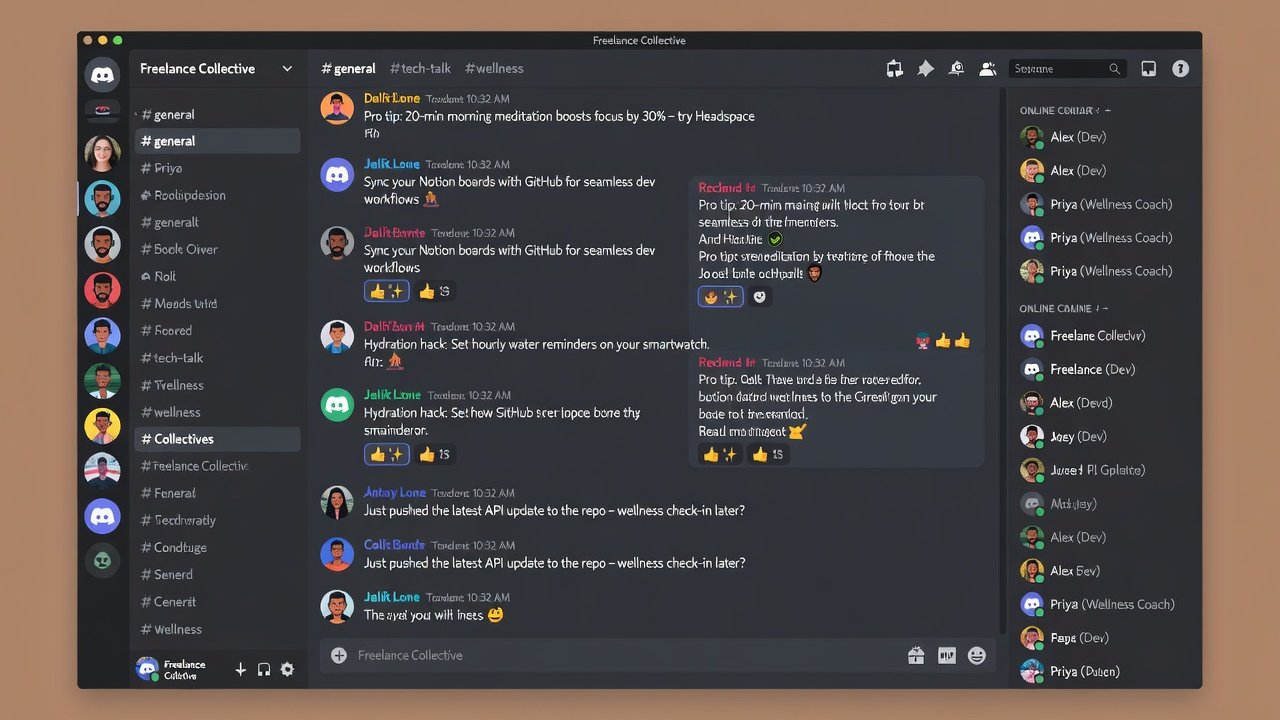
Selecting the right platform is crucial for community building and retention. Discord excels for real-time discussions, voice channels, and role-based access, making it ideal for interactive freelancer groups that need quick feedback on projects. Its free tier and mobile app support global members across time zones effectively.
Patreon supports tiered memberships with exclusive content, perfect for monetization from day one by offering behind-the-scenes resources or direct coaching. Patreon also integrates analytics to track subscriber behavior. Alternatives like Circle or Mighty Networks offer integrated tools for courses, events, and forums. Evaluate based on your audience's preferences, your technical comfort level, and features like payment processing or moderation bots. Many successful communities start on Discord for engagement then layer Patreon for revenue.
Monetization via Memberships and Sponsorships
Effective monetization combines recurring memberships with sponsorships for diversified income. Offer tiered access on Patreon for premium resources, such as template libraries or private webinars, while securing brand deals aligned with community values like productivity tools or wellness apps. Freelancers report success by starting with accessible entry points and scaling based on engagement metrics, adding value through bonuses like annual retreats or custom consultations. This approach creates predictable revenue while building loyalty.
Audience Growth Tactics
Grow your community through consistent content on LinkedIn and X, collaborations with complementary creators, and SEO-optimized blog posts that drive organic traffic. Leverage free webinars or challenges to attract members and encourage referrals with incentives like discounted renewals. Cross-promote in related Facebook groups or newsletters, and use targeted ads sparingly once initial traction builds. Track growth using platform analytics to refine strategies, focusing on retention through welcome sequences and regular polls to keep members invested.
Practical Steps for Launching a Community
- Define your niche and value proposition clearly by outlining specific problems solved and unique benefits offered.
- Set up your chosen platform with welcome channels, clear guidelines, and onboarding resources to reduce drop-off.
- Create initial content like onboarding resources, discussion prompts, and sample events to spark activity immediately.
- Promote via targeted social posts, email lists from your existing network, and partnerships with influencers in adjacent spaces.
- Iterate based on early member feedback by hosting monthly surveys and adjusting offerings accordingly.
- Establish moderation protocols early to maintain a positive environment as the group scales.
Real-World Case Studies from Successful Freelancers
One digital nomad launched a wellness Discord community in late 2025, growing to sustainable membership through weekly challenges on remote productivity and mental health check-ins. Members shared personal stories, leading to high retention and organic referrals. Another freelancer built a tech hobby Patreon around AI tools, securing sponsorships that diversified income while providing members with exclusive tutorials and group projects. These examples highlight the importance of consistent value delivery, niche specificity, and listening to member needs for long-term success.
Common Challenges: Engagement and Scaling
Engagement drops can occur without regular moderation and fresh content, so schedule recurring events and rotate discussion topics to keep momentum. Scaling requires hiring moderators or automating welcome sequences while preserving the intimate feel that defines micro-communities. Address burnout by setting personal boundaries, delegating tasks, and diversifying revenue to avoid over-reliance on one stream. Monitoring metrics helps identify issues early, allowing proactive adjustments like adding new features based on feedback.
FAQ on Tools, Legal Considerations, and Metrics
What tools are essential for managing micro-communities?
Essential tools include Discord for communication, Patreon for payments, and analytics platforms like Google Analytics for tracking. Integrate Zapier for automation between services and Canva for creating visuals that enhance posts.
What legal considerations apply?
Review terms for data privacy and consult resources on business structures. Ensure compliance with platform policies and tax obligations for international members by checking official guidelines from IRS resources on self-employment income.
How do you measure success?
Track metrics like member retention, engagement rates, and revenue growth. Aim for steady increases in active participation, repeat interactions, and qualitative feedback over time to gauge overall health.
Are there risks in starting a paid community?
Yes, including platform dependency and refund requests, so build in clear policies and diversify across multiple channels from the start.
Conclusion
Micro-communities represent a powerful opportunity in the 2026 creator economy for remote freelancers. By focusing on targeted niches, leveraging appropriate platforms, and implementing proven strategies, you can build sustainable income and meaningful connections that support both professional growth and personal well-being in the evolving landscape of freelance work.

No comments yet. Be the first!