 Jobboy

Introduction: Why Podcast Guesting Is a Game-Changer for 2026 Job Seekers
In today’s competitive job market, traditional applications often get lost in the shuffle. Podcast guesting offers a powerful alternative by letting you demonstrate expertise directly to engaged audiences, including hiring managers scouting for talent in 2026. This approach builds authority, generates referrals, and creates personal connections that resumes alone cannot achieve. Job seekers who leverage audio platforms stand out because they provide real-time proof of communication skills, industry knowledge, and problem-solving abilities that static documents simply cannot convey.
By appearing on relevant shows, you position yourself as a thought leader. Listeners hear your insights, problem-solving skills, and industry knowledge in real time, making you memorable when opportunities arise. In 2026, with remote work and digital networking continuing to dominate, podcast appearances serve as an accessible way to reach decision-makers who may not browse standard job boards. This strategy works especially well for mid-career professionals looking to pivot or accelerate their trajectories without relying solely on cold applications.
Finding the Right Podcasts in Your Target Industry
Start by identifying podcasts where your ideal employers or industry peers tune in. Use platforms like Apple Podcasts and directory tools to search by niche, audience size, and release frequency. Focus on shows with 5,000–50,000 downloads per episode for better engagement without massive competition. Look for hosts who interview professionals in roles similar to your target positions, as their listener base often includes recruiters and hiring managers actively seeking talent.
Other resources include podcast guesting databases and LinkedIn searches for “podcast host” combined with your field. Prioritize shows that interview professionals in roles you want, ensuring alignment with hiring managers’ listening habits. Create a spreadsheet to track potential shows, noting their typical guest profiles, episode themes, and contact information. This organized approach prevents wasted effort on mismatched opportunities and helps you build a targeted list of 15–20 high-potential podcasts before beginning outreach.
Steps to Secure Podcast Appearances
Research hosts thoroughly and personalize your pitch. Highlight mutual value, such as unique stories or data you can share. Send concise emails with a compelling subject line, your background, and 2–3 episode topic ideas. Follow up once after 10 days if no response. Many hosts welcome guests who bring fresh perspectives on trends like AI integration or remote team leadership in 2026. Prepare a one-page media kit summarizing your expertise and past appearances.
Effective pitches emphasize how your experience benefits the audience rather than simply requesting a spot. For instance, instead of saying “I want to be on your show,” explain how your recent project on sustainable supply chains could help listeners navigate 2026 regulatory changes. Include links to previous interviews or writing samples to build immediate credibility. Persistence pays off—many successful guests report sending 30–50 tailored pitches before securing their first few appearances.
Preparing Talking Points That Showcase Your Skills
Align your stories with the job you want. Use the STAR method (Situation, Task, Action, Result) to structure answers that reveal leadership, innovation, and results. Weave in quantifiable achievements without sounding scripted. Practice bridging questions back to your strengths. For example, if discussing industry challenges, tie in how your experience solves them. Record mock interviews to refine delivery and timing.
Develop a core set of five to seven signature stories that highlight different competencies. One story might focus on crisis management, while another emphasizes cross-functional collaboration. Rehearse these until they flow naturally, then adapt them to the specific podcast theme. Incorporate current 2026 trends such as hybrid work models or ethical AI use to demonstrate forward-thinking expertise that resonates with forward-looking employers.
Converting Listener Connections into Referrals and Interviews
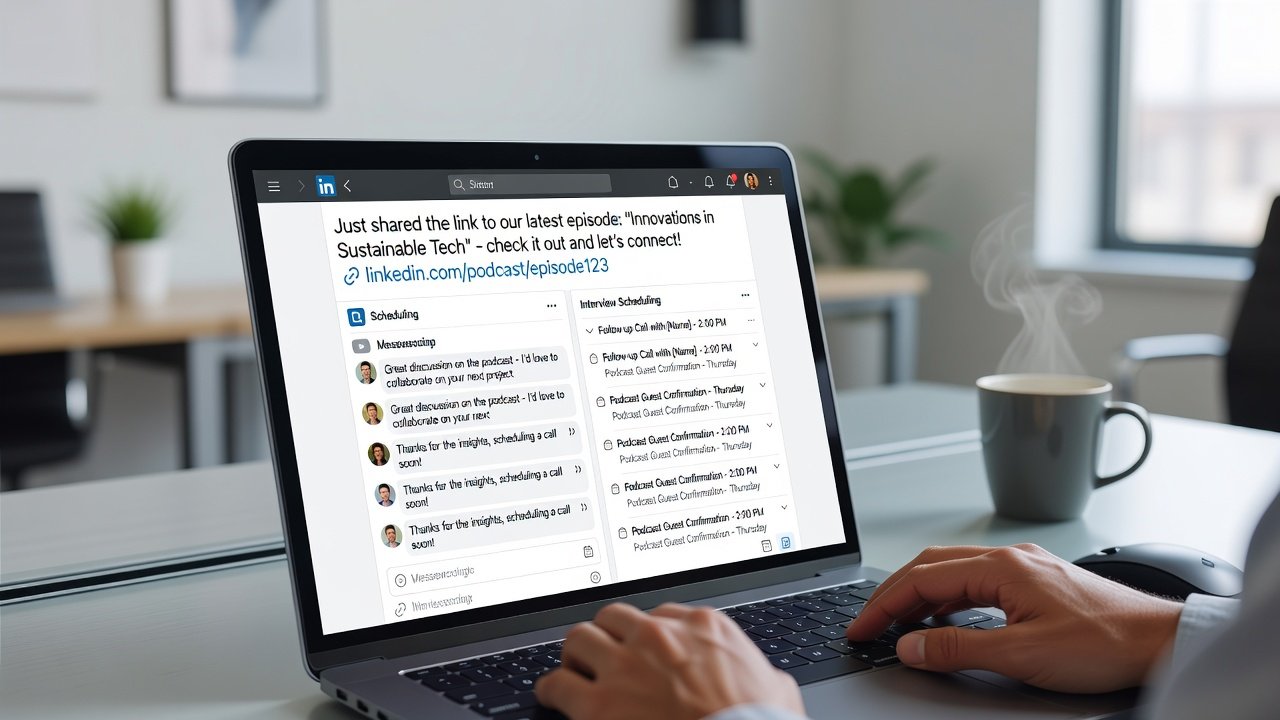
After the episode airs, share the link on LinkedIn with a thoughtful caption. Reach out to listeners who comment, thanking them and offering to discuss further. Use personalized follow-up templates like: “Hi [Name], I loved your question on the [Podcast Name] episode. I’d be happy to share more about how I approached [specific topic].” Track comments and DMs for warm leads. Many job offers stem from these organic conversations rather than formal applications. Consider creating a simple CRM note for each new connection to remember details from the episode discussion.
Host a short LinkedIn Live or Twitter Space the day after release to extend the conversation. Offer value first by answering additional listener questions before transitioning into career-related discussions. This multi-touch approach increases the likelihood that a hiring manager who heard you speak will feel comfortable reaching out directly or through a mutual connection.
Real-World Examples of Podcast-to-Job Success
One marketing professional landed a director role after discussing campaign strategies on a niche industry podcast. The host’s audience included the hiring team at a target company, leading to an interview within weeks. Another software engineer secured three referrals after sharing open-source contributions on a tech show, bypassing traditional portals. A project manager in the renewable energy sector appeared on two consecutive episodes about supply chain resilience and received an unsolicited offer from a listener at a major firm within a month.
These cases show how consistent guesting builds a public portfolio of expertise that hiring managers can easily discover. In each instance, the guests followed up promptly, shared clips on professional networks, and maintained relationships with hosts who later provided additional introductions. The common thread was treating every appearance as both content creation and relationship-building.
Platforms and Tools for Podcast Discovery
Beyond Apple Podcasts, explore Podchaser and Listen Notes for advanced filters. LinkedIn groups and industry forums often list upcoming guest calls. Set Google Alerts for “podcast guest opportunity [your niche]” to stay ahead. LinkedIn also serves as an excellent discovery tool when you follow hosts in your sector and engage with their content before pitching.
Additional options include Podcast Guesting Facebook groups and industry-specific newsletters that occasionally feature call-for-guests announcements. Cross-reference show download numbers with audience demographics when available to ensure your ideal employers are part of the listenership.
Metrics to Track Your Job Search Impact
Monitor episode downloads, listener engagement rates, LinkedIn profile views post-episode, and inbound messages. Aim to convert 5–10% of new connections into conversations. Review quarterly to refine your approach. Create a simple dashboard tracking the number of pitches sent, appearances secured, new connections made, and interviews generated from podcast activity. This data reveals which shows deliver the highest return on time invested.
Pay attention to qualitative metrics as well, such as the quality of questions asked during episodes and the seniority of new LinkedIn connections. Over time, you will identify patterns that help you prioritize future guest opportunities more effectively.
Common Pitfalls to Avoid
- Choosing shows with mismatched audiences that don’t include decision-makers.
- Delivering generic answers instead of job-relevant stories.
- Neglecting follow-up outreach after the episode airs.
- Overlooking audio quality or preparation, which can undermine credibility.
- Failing to promote the episode across your own channels, limiting its reach.
- Ignoring the importance of building rapport with the host, who may become a valuable long-term advocate.
Integrating Podcast Guesting with LinkedIn and Email Strategies
Repurpose podcast clips as LinkedIn videos or carousels. Email summaries of your episode to targeted recruiters with a note on how your insights apply to their company. Combine channels for maximum visibility—podcast for depth, LinkedIn for amplification, and email for direct outreach. Schedule a follow-up email sequence that references the episode and offers a one-page summary of key points discussed.
Coordinate your content calendar so LinkedIn posts about the appearance appear within 48 hours of release. This timing capitalizes on the initial surge of listens and keeps your name top-of-mind among professionals who may be evaluating candidates for upcoming roles in 2026.
Conclusion
Podcast guesting transforms passive job searching into active personal branding. By securing the right spots, preparing strategically, and following up diligently, you can turn 2026 episodes into tangible job offers. Start small, track results, and scale what works. This method not only opens doors but also keeps your skills sharp for long-term career growth. Consistent execution of these tactics positions you as the obvious choice when hiring managers begin their next search.

No comments yet. Be the first!