 Jobboy

Introduction: Why a Structured Daily Routine Matters in 2026
Job searching in 2026 demands consistency amid evolving hiring landscapes. A well-designed daily routine helps candidates stay organized, reduce overwhelm, and maintain momentum over weeks or months. This guide breaks down an optimized schedule covering morning scans, midday applications, afternoon networking, and evening reflection while incorporating time-blocking and practical adjustments. Whether you are unemployed or balancing a full-time role, following a repeatable structure improves application quality and interview conversion rates. Research from authoritative sources like the U.S. Bureau of Labor Statistics shows that organized job seekers often experience shorter search durations. Beyond basic tips, the routine below integrates productivity science, real-world examples, and flexible adaptations to keep you progressing without burnout.
Morning: Scanning and Prioritizing New Listings (7:30 AM – 9:30 AM)
Start the day by reviewing fresh postings before competition increases. Dedicate 90 minutes to major boards and company career pages. Use saved searches on platforms such as LinkedIn and Indeed to surface relevant roles quickly. Focus on 8–12 high-fit opportunities rather than mass-applying to everything. Begin with a quick scan of industry-specific sites and company websites that posted overnight. Create alerts for keywords tied to your target roles so notifications arrive early. Prioritize postings from the last 24 hours to maximize visibility before recruiters review volumes of applications.
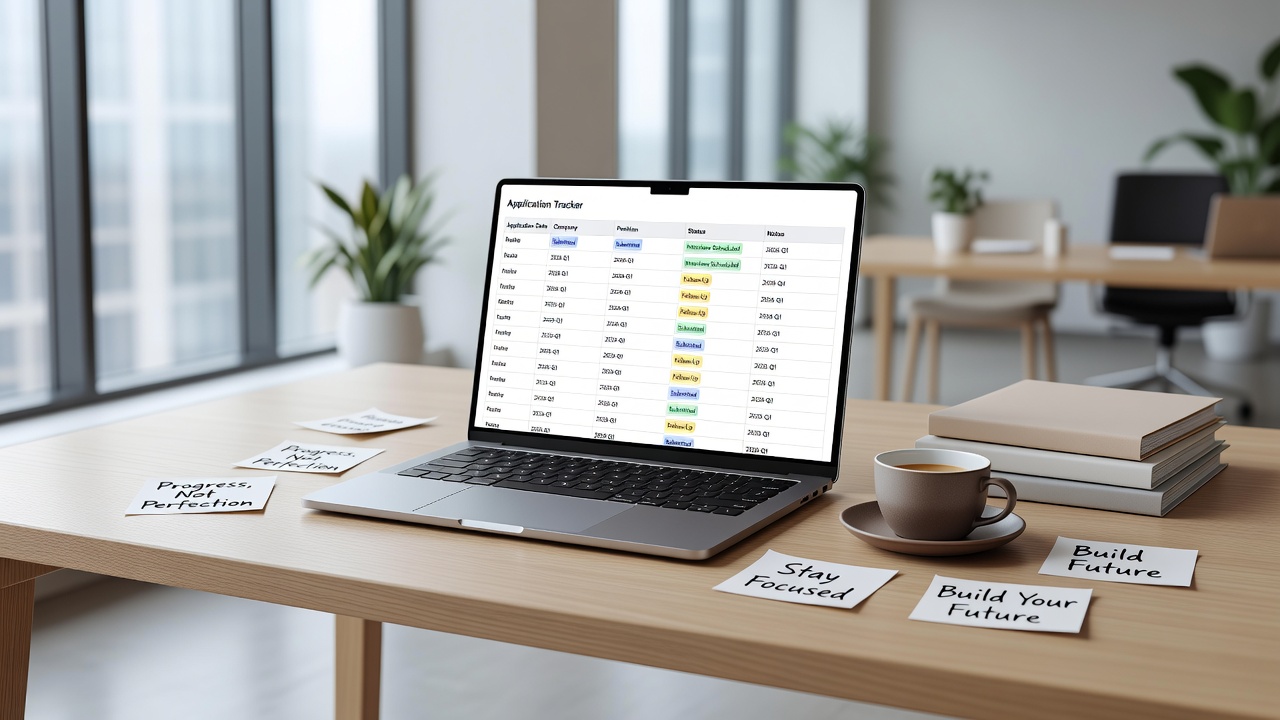
Time-blocking tip: Set a phone timer and close all unrelated tabs. This prevents rabbit holes that erode morning productivity. Track new listings in a simple spreadsheet with columns for role title, company, application deadline, and source link. Example: If you spot a marketing manager position at a tech firm, note the exact posting date and any referral contacts mentioned. This organized approach turns chaotic browsing into actionable intelligence.
Midday: Customizing Applications with Precision (10:00 AM – 12:30 PM)
After identifying targets, shift to tailoring resumes and cover letters. Generic submissions rarely succeed in 2026’s competitive market. Spend 20–30 minutes per application aligning keywords from the job description with your experience. Tools like Teal HQ or Huntr help manage versions and track status without spreadsheets becoming unwieldy. Walk through a concrete example: Suppose a job requires “project management in agile environments.” Update your resume to include a bullet such as “Led cross-functional agile teams to deliver three major projects ahead of schedule.” Then craft a cover letter that references the company’s recent product launch to demonstrate research.
Break the block into focused segments: first 45 minutes on resume tweaks, next 30 minutes on cover letters, and final 15 minutes on submission confirmations. This prevents decision fatigue. Always proofread aloud to catch awkward phrasing. 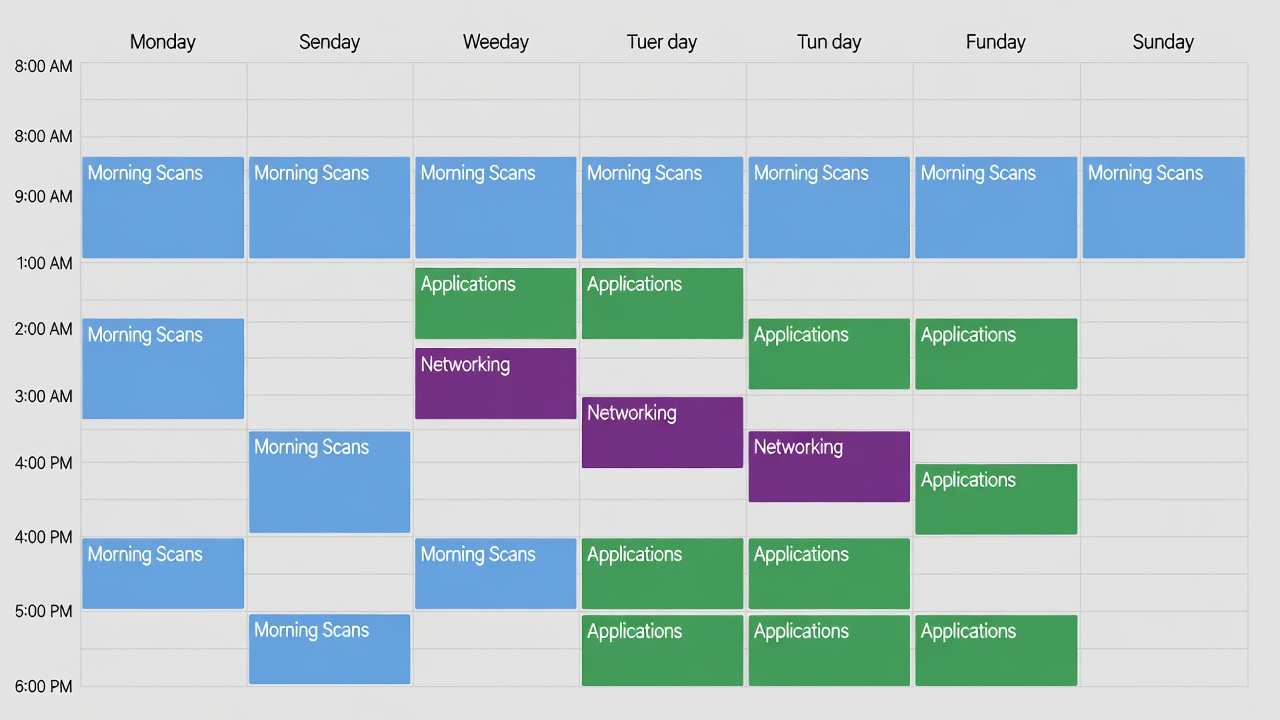
Afternoon: Strategic Networking and Follow-Ups (1:30 PM – 4:00 PM)
Networking remains one of the most effective channels. Use this block for LinkedIn connection requests, informational interviews, or follow-up messages to recruiters. Schedule two meaningful interactions daily—comment thoughtfully on industry posts or send personalized notes referencing recent company news. Prepare short scripts in advance. For instance, a connection request could read: “Hi [Name], I admired your recent post on sustainable supply chains and would value 15 minutes of your insights on entering that field.”
Full-time workers can compress this into 45 minutes by batching messages during lunch or a short break. Track contacts in a CRM-lite tool such as Notion or the free version of HubSpot to avoid losing momentum. Expand your network by joining virtual industry events or alumni groups during this window. Follow up with anyone who engaged with your content the previous day to keep relationships warm.
Evening: Reflection, Learning, and Wind-Down (5:30 PM – 7:00 PM)
End each day with 30 minutes of review. Log completed tasks, note any interview invitations, and identify one skill gap to address the next week. Journaling wins and setbacks builds resilience during longer searches. Include light skill-building such as watching a 15-minute industry webinar or practicing interview answers aloud. This prevents burnout while keeping your knowledge current. Expand reflection by rating your energy levels on a 1–10 scale and noting which tasks felt most productive. Over time, patterns emerge that let you refine the routine further.
Time-Blocking Framework and Recommended Tools
Implement the following blocks consistently:
- 7:30–9:30 AM: Discovery block – listings and research
- 10:00 AM–12:30 PM: Execution block – tailored applications
- 1:30–4:00 PM: Relationship block – networking and outreach
- 5:30–7:00 PM: Review block – reflection and micro-learning
Popular tracking tools include Google Sheets for beginners and options like Jobscan for keyword optimization. Choose based on your volume of applications rather than features alone. Additional tools worth testing include a digital calendar with color-coded blocks and a simple note-taking app for quick ideas during transitions. Compare free versus paid versions by tracking your weekly output for two weeks before committing.
Adjustments for Full-Time Workers
If employed, shift the morning scan to 6:00–7:00 AM and use one focused evening block. Protect weekends for deeper networking or portfolio updates. Many professionals find that protecting two 90-minute weekday sessions yields better results than scattered late-night efforts. Create a modified schedule: Monday and Wednesday mornings for applications, Tuesday and Thursday evenings for networking. Use lunch breaks for quick LinkedIn checks. Communicate boundaries with family or roommates to safeguard these focused periods.
Balancing Productivity with Rest
Sustainable momentum requires deliberate downtime. Schedule at least one full rest evening weekly and short daily walks between blocks. Chronic overwork leads to diminished application quality and interview performance. Listen to your energy levels and adjust blocks accordingly. Incorporate micro-breaks such as the Pomodoro technique within longer sessions. Track sleep and mood alongside job-search metrics to spot when rest is needed most.
Common Mistakes to Avoid
Many job seekers skip customization or neglect follow-ups. Avoid applying to more than five roles per day without tailoring. Another pitfall is ignoring company research; always spend five minutes learning recent news before submitting. Finally, do not let tracking slip—review your spreadsheet weekly to identify which sources produce interviews.
Measuring Success and Adjusting Your Routine
Track weekly metrics such as applications sent, responses received, and interviews scheduled. If responses stay below 10 percent after three weeks, revisit keyword alignment or expand networking. Reassess the entire routine monthly and shift blocks based on what produced results. This data-driven approach turns a generic plan into a personalized system for 2026 success.
Conclusion
A repeatable daily routine transforms job searching from chaotic to manageable. By combining focused time blocks, quality application habits, strategic networking, and intentional rest, candidates position themselves for stronger outcomes in 2026. Start with the framework above, refine it to your schedule, and track results weekly for continuous improvement.
No comments yet. Be the first!