 Jobboy

Introduction
In 2026, standing out in a competitive job market requires more than submitting a generic resume through an online portal. Personalized job application emails allow you to connect directly with hiring managers and recruiters, dramatically improving your chances of securing an interview. This guide walks you through every step of creating compelling, tailored outreach that gets results. Research shows that personalized emails can increase open rates by up to 50% compared to generic messages. By incorporating specific details from the job listing and company research, you demonstrate genuine interest and professionalism that automated systems simply cannot replicate.
Job seekers who invest time in customization often see response rates double or triple within weeks. The following sections provide actionable frameworks, real-world examples, and optimization tactics tailored for today’s digital landscape.
Why Personalization Beats Generic Applications
Recruiters receive hundreds of applications weekly. A personalized email cuts through the noise by addressing the recipient by name, referencing recent company news, and aligning your skills directly with their needs. This approach builds immediate rapport and positions you as a thoughtful candidate rather than another faceless submission. Generic applications frequently get filtered out by applicant tracking systems or ignored entirely due to lack of relevance.
Personalization also signals cultural fit. When you reference a company’s recent product launch or sustainability initiative, you prove you have done your homework and are genuinely excited about the role.
Step 1: Researching Your Recipients Effectively
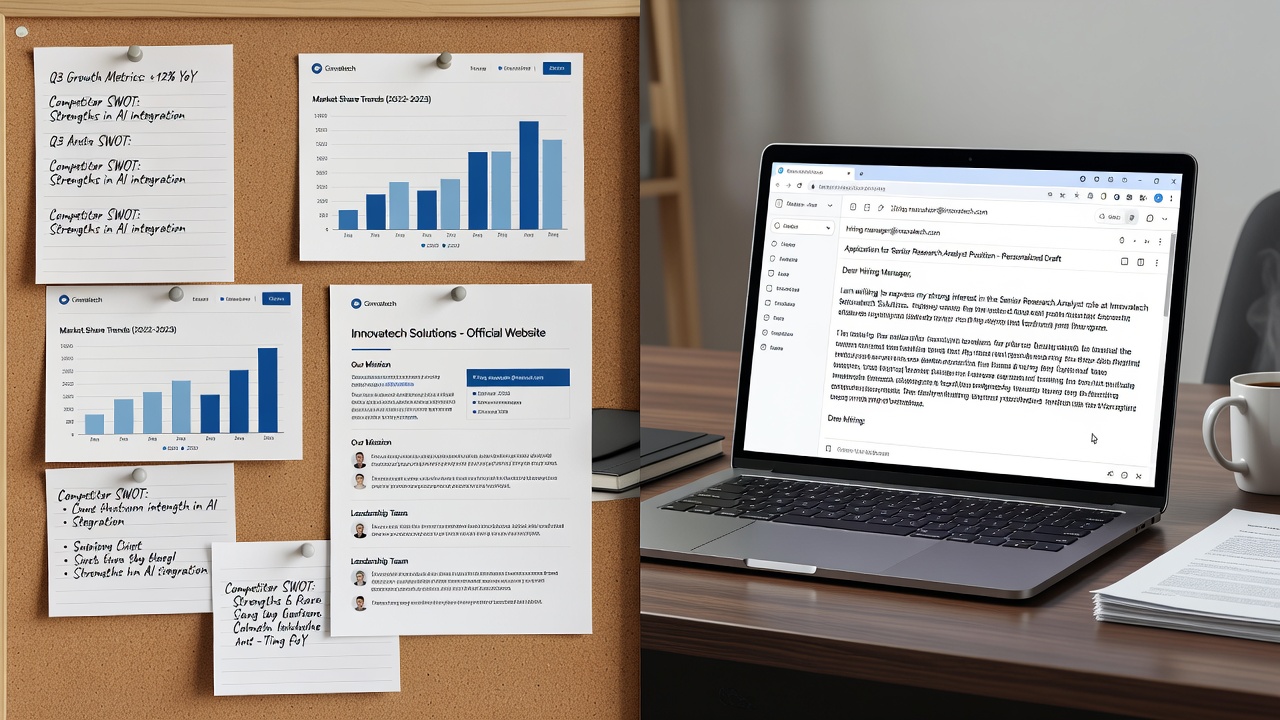
Begin by identifying the right contact person. Use LinkedIn to search for the hiring manager or recruiter handling the role. Review their recent posts and the company’s latest announcements to find natural talking points. Check the company website’s about or news sections for leadership updates and team expansions.
Cross-reference the job description with your experience. Extract exact keywords such as “project management software” or “stakeholder communication” and weave them into your message naturally. This technique also helps your email pass any internal screening filters. Spend at least 15-20 minutes per application gathering this information to ensure authenticity.
Additional sources include professional association directories and recent press releases. Document your findings in a simple spreadsheet so you can reference them quickly when drafting multiple emails.
Crafting Compelling Subject Lines
Your subject line determines whether the email gets opened. Keep it under 50 characters and include the job title plus a personalization hook. Examples include: “Application for Senior Marketing Manager – Inspired by Your Recent Product Launch” or “Referral from Alex Rivera: Data Analyst Position.”
A/B test two variations on a small batch of applications. Tools like email tracking software let you measure open rates in real time so you can refine your approach quickly. Test elements such as question marks versus statements, or including the company name versus the role title. Track which versions yield higher engagement over at least ten sends before committing to a primary style.
Structuring the Email Body for Maximum Impact
Start with a strong opening paragraph that states the position and how you discovered it. Follow with 2-3 concise paragraphs highlighting relevant achievements using the keywords from the job post. End with a clear call-to-action, such as requesting a 15-minute call. Keep the total length under 200 words. Use short paragraphs and bullet points for scannability.
Here is a practical example: “Dear Ms. Patel, I am writing to express my strong interest in the Senior Marketing Manager position posted on your careers page. Your recent expansion into sustainable packaging solutions aligns perfectly with my five years of experience leading eco-focused campaigns at GreenWave Solutions.” Continue with specific results and close professionally.
Email Templates for Different Scenarios
Adapt the following templates to your background while maintaining personalization.
- Cold outreach to a hiring manager: “Dear [Name], I noticed your team recently launched [specific initiative]. My background in [relevant skill] could support similar projects. I have attached my resume for the [role] opportunity.”
- Response to a posted job: Lead with the exact job title and ID, then map three bullet-point achievements directly to listed requirements.
- Referral email: Open with the referrer’s name and shared connection before transitioning into your qualifications.
- Follow-up template: Reference the original email date and restate one key value proposition without repeating the entire message.
Timing Strategies That Improve Response Rates
Send emails between 8-10 a.m. or 4-6 p.m. local time on Tuesdays through Thursdays. Avoid Mondays and Friday afternoons when inboxes are overloaded. Follow up once after 7-10 days if you receive no reply. Consider time zones if applying to companies in different regions. Many professionals check email first thing in the morning, so early-week sends often perform best.
Using 2026 Tools to Track and Optimize
Modern email tracking platforms provide open rates, click data, and follow-up reminders. Integrate these insights with your application spreadsheet to identify which subject lines and messaging styles perform best. This data-driven approach turns every send into a learning opportunity. For additional best practices on professional networking, visit LinkedIn and review resources from the U.S. Department of Labor.
Common Pitfalls to Avoid
Never copy-paste the same email to multiple companies. Double-check spelling of names and company details. Avoid overly formal language that sounds robotic. Always attach your resume as a PDF with a clear file name such as “FirstName_LastName_JobTitle.pdf”. Another frequent mistake is failing to customize the greeting—using “Dear Hiring Manager” when a name is easily discoverable reduces perceived effort.
Advanced Keyword Integration Techniques
Blend keywords seamlessly by mirroring the exact phrasing from the job description in context. Instead of listing skills, demonstrate them through brief achievement stories. This method satisfies both human readers and applicant tracking systems while preserving a natural tone.
Short FAQ on Follow-Up Cadences
How many follow-ups are appropriate? One polite follow-up after 7-10 days is usually sufficient. After that, move on unless the role remains open.
Should I follow up on weekends? No. Stick to business hours during the workweek.
What if I receive an automated reply? Respect the timeline provided and only send one additional message if the date passes without response.
Conclusion
Mastering personalized job application emails in 2026 combines thorough research, strategic subject lines, and data-backed follow-up. By implementing the steps above, you will create messages that resonate with hiring teams and significantly increase your interview invitations. Start applying these techniques today to transform your job search results and build lasting professional connections.

No comments yet. Be the first!