 Jobboy

Introduction to Blockchain Credentials in Job Search
Tech-savvy job seekers in 2026 face increasing competition on job boards and listings. Blockchain technology offers a secure, tamper-proof method to verify and share professional credentials, helping candidates stand out with instant employer validation. This comprehensive guide explores the full process from initial setup through advanced implementation, real-world applications, and strategies to maximize success in competitive hiring environments. As job markets evolve with remote and global opportunities, blockchain-based credentials address longstanding issues of fraud, verification delays, and lack of trust in traditional documentation.
Why Blockchain Matters for Credential Verification
Traditional resumes can be altered or falsified, leading to lengthy background checks that frustrate both applicants and recruiters. Blockchain stores credentials on a decentralized ledger, ensuring immutability and transparency through cryptographic hashing. Employers can verify qualifications instantly without intermediaries, reducing hiring delays from weeks to minutes. This technology leverages distributed consensus mechanisms to prevent unauthorized changes, creating an auditable trail of every credential issuance and sharing event.
Key Benefits in Detail
- Instant verification reduces time-to-hire dramatically, allowing faster onboarding for time-sensitive roles
- Enhanced trust through cryptographic security that eliminates doubts about authenticity
- Global accessibility for remote roles where candidates apply across borders without physical document mailing
- Reduced fraud in credential claims, protecting employers from unqualified hires
- Empowerment for job seekers who maintain ownership of their verified data
- Integration potential with applicant tracking systems for seamless workflow
Learn more about decentralized systems at IBM.
Step-by-Step Setup of Blockchain Credentials
Follow these practical steps to create and deploy your blockchain-based credentials effectively in 2026.
- Choose a compatible wallet or platform supporting verifiable credentials standards such as those aligned with W3C protocols. Research options that offer mobile apps and desktop interfaces for flexibility during applications.
- Upload existing diplomas, certifications, or work history to the system after scanning physical documents into high-resolution digital formats. Ensure metadata like issue dates and issuing authorities are accurately entered.
- Request issuance from verified issuers such as universities or employers. This involves sending a secure request through the platform and awaiting digital signatures from authorized parties.
- Store the digital credential on the blockchain ledger where it becomes permanently recorded and tamper-evident. Most platforms provide backup options like encrypted cloud storage or hardware wallet exports.
- Generate shareable links or QR codes for job applications. Test these across different devices to confirm readability by employer scanning tools or portals.
- Configure privacy controls to decide what information is visible to each viewer, such as hiding sensitive employment dates while revealing skill validations.
- Monitor and update your credentials regularly as new achievements occur, requesting fresh issuer confirmations to keep records current.
Insert 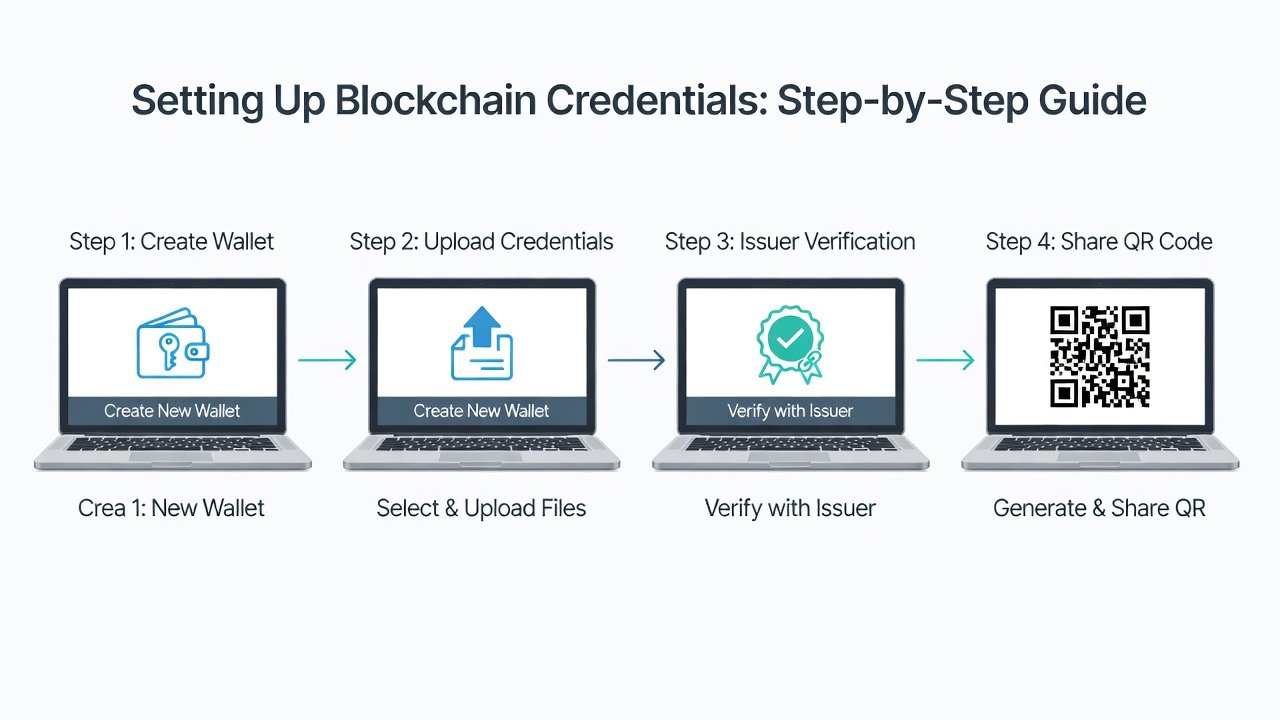
Blockchain vs Traditional Resumes
Traditional resumes rely on self-reporting and manual checks that often involve phone calls or email verifications prone to human error. Blockchain versions provide cryptographic proof, making them superior for roles requiring high trust like finance, healthcare, or government positions. Case studies from 2026 implementations show a 40% faster verification process compared to paper-based methods, with fewer discrepancies discovered during final background screenings. Job seekers report higher callback rates when including blockchain-verified sections in their applications because recruiters appreciate the reduced risk.
Real-World Platform Examples
Platforms like those integrated with enterprise blockchain solutions allow seamless sharing across major job boards. Successful 2026 adoptions include tech firms using these for hiring remote talent, cutting verification costs significantly while improving candidate quality. For instance, European startups have integrated these tools with LinkedIn-style profiles, enabling one-click submissions of verified skill sets. Healthcare organizations in the US have piloted systems that link directly to state licensing boards for automatic validation.
Practical Checklists for Job Seekers
- Verify issuer legitimacy before accepting credentials by cross-checking against official registries
- Test share links across multiple job portals including LinkedIn, Indeed, and company career pages
- Update records promptly after new achievements to maintain an accurate professional narrative
- Review privacy settings to control data access and comply with regional regulations like GDPR
- Backup private keys in multiple secure locations to prevent loss of access
- Train yourself on how to explain blockchain credentials during interviews for maximum impact
Common Pitfalls to Avoid
Many users overlook wallet security or select incompatible platforms that fail to integrate with popular applicant tracking systems. Always back up private keys and research interoperability before committing. Another frequent mistake is sharing overly broad access, which can compromise privacy. Job seekers should also avoid unverified issuers that may issue invalid credentials, leading to rejection during employer checks. Staying updated on evolving standards prevents obsolescence of your digital portfolio.
Case Studies of 2026 Implementations
A European tech company reported streamlined hiring after adopting blockchain credentials, with candidates submitting verified skills directly through integrated portals. This led to a 30% reduction in time spent on background checks. Another case in the US healthcare sector highlighted reduced fraud incidents by 25% as blockchain verification caught falsified licenses early in the process. A third example from a global consulting firm showed improved diversity in hiring because remote candidates from various countries could easily share internationally recognized credentials without translation delays.
FAQ: Privacy, Adoption, and Barriers
How does blockchain protect privacy?
Selective disclosure allows sharing only necessary details while keeping other data private through zero-knowledge proofs and granular permission settings. Users control exactly who sees what and for how long.
What adoption barriers exist?
Some employers still prefer traditional methods due to unfamiliarity, but 2026 trends show increasing integration with job boards as standards mature. Training programs and pilot projects are helping bridge this gap.
Is it suitable for all industries?
Highly regulated fields benefit most, though general sectors are adopting rapidly as platforms become more user-friendly and interoperable with existing HR software.
Explore foundational tech standards at Microsoft and NIST.
Conclusion
Blockchain credentials represent a transformative shift for 2026 job seekers, offering security and efficiency that traditional methods lack. By following the detailed steps, checklists, and examples in this guide, professionals can enhance their applications and build lasting trust with employers. Start implementing today to stay ahead in the evolving job market.

No comments yet. Be the first!