 Jobboy

Introduction: The Rise of Micro-Video in Modern Job Hunting
In 2026, traditional job applications are evolving rapidly. Job seekers are turning to short-form video platforms like LinkedIn and TikTok to showcase their skills directly to recruiters. This approach, often called micro-video content, allows candidates to demonstrate expertise in under 60 seconds, cutting through the noise of standard resumes. Keywords such as "job search" and "job hunting" are central to optimization strategies, helping videos surface in relevant searches. The shift reflects broader changes in how recruiters consume content, prioritizing visual proof of abilities over bullet points on a page.
Micro-videos offer a dynamic way to stand out. Unlike static documents, they reveal personality, communication skills, and problem-solving abilities in real time. Beginners often worry about technical barriers, but smartphone cameras and free editing apps lower the entry point significantly. This guide provides practical, step-by-step tactics for beginners to build visibility organically while focusing on measurable results.
Why Micro-Videos Outperform Traditional Resumes
Resumes list achievements but rarely show how you work. A well-crafted micro-video can illustrate your expertise in action, such as walking through a quick Excel formula or explaining a design decision. Recruiters increasingly scan video content first, especially on professional networks, because it saves time and provides immediate insight into cultural fit. Video applications receive higher engagement rates than text-only submissions across major platforms.
Comparisons reveal clear advantages: videos build emotional connections, while resumes often get filtered by ATS systems before human review. Micro-videos also allow real-time updates; you can film a response to a trending industry topic within hours. For job hunting, this agility positions you as current and proactive rather than reactive. Beginners should start small, focusing on authenticity over production quality, and track which formats drive the most profile visits.
Selecting the Right Platforms for Your Goals
LinkedIn remains the top choice for professional networking, while TikTok excels at creative, viral reach. Choose based on your industry—corporate roles favor LinkedIn for its B2B audience, creative fields benefit from TikTok's younger demographic and algorithm that rewards originality. Both support keyword integration like "job search" in captions and hashtags to improve discoverability.
Setup involves creating optimized profiles with professional photos, clear headlines, and links to your portfolio or LinkedIn page. LinkedIn offers built-in video tools ideal for B2B networking, while TikTok provides effects and sounds that can amplify reach for visual demonstrations. Cross-posting the same core message with platform-specific tweaks maximizes exposure without doubling effort.
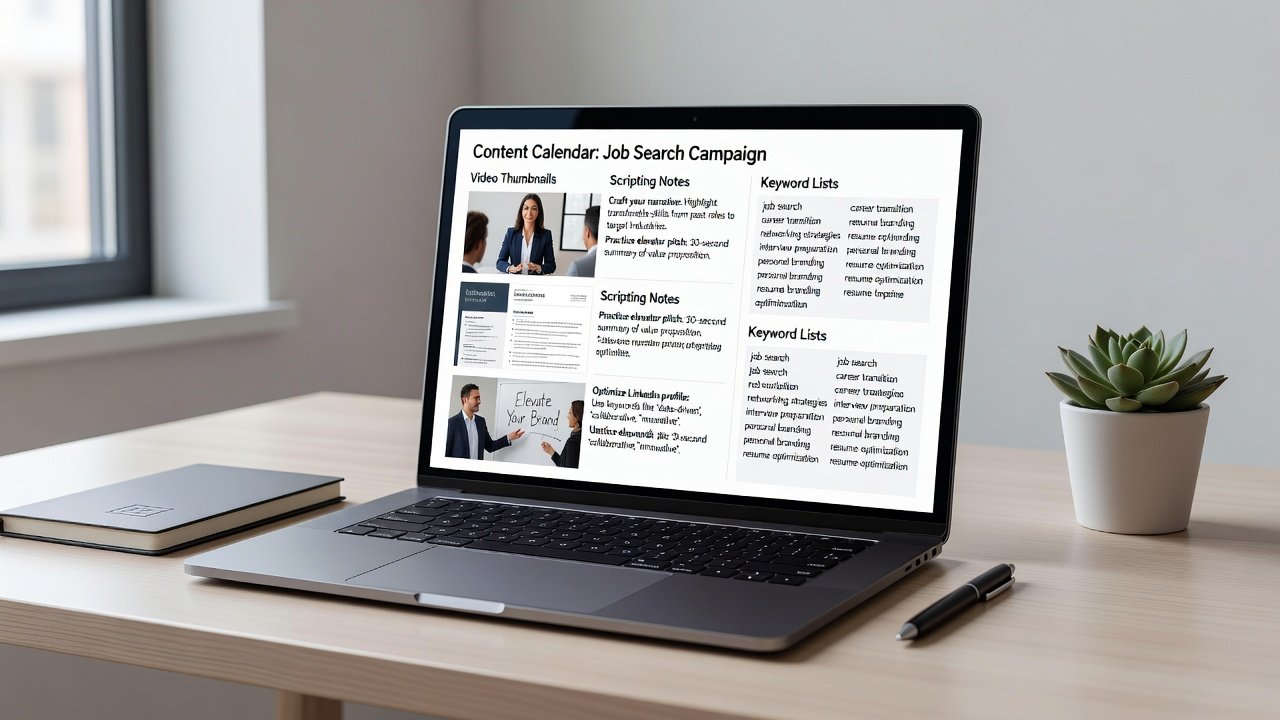
Step-by-Step Setup of a Content Calendar
Building a sustainable schedule prevents burnout and ensures consistency. Follow these detailed steps to create a functional system:
- Define your niche based on target job listings, noting required skills and common challenges mentioned in postings.
- Map out 4-5 video themes per week, such as quick tips, behind-the-scenes demos, or industry trend reactions, ensuring each ties back to "job hunting" keywords.
- Use free tools like Google Calendar or Notion to block time for scripting, filming, and posting, allocating 30 minutes per video for beginners.
- Batch create content on weekends for efficiency, preparing scripts and props in advance to streamline the process.
- Review weekly performance to adjust topics, dropping underperformers and doubling down on high-engagement themes.
- Incorporate buffer days for rest or trending opportunities that align with your expertise.
This calendar keeps you focused on high-impact keywords like "job search" without overwhelming your routine. Many successful creators report that sticking to a visible calendar increases output by 50 percent within the first month.
Scripting Tips Tied to Target Job Listings
Effective scripts start with research. Analyze 3-5 job postings for repeated phrases and pain points, then mirror that language in your videos. Structure each script as: hook (first 3 seconds with a question or bold statement), value delivery (demonstrate one skill), and call-to-action (invite viewers to connect or comment). For example, if a role emphasizes data analysis, create a 30-second video showing a quick dashboard walkthrough using public data sets.
Practice natural delivery to sound conversational rather than scripted. Record multiple takes and choose the most energetic one. Tie every video to real skills mentioned in listings to boost relevance during "job hunting" searches. Another example: for project management roles, film a 45-second breakdown of a simple prioritization framework with on-screen text highlighting key terms. This method ensures your content directly addresses recruiter needs rather than generic advice.
Optimizing Videos for Discoverability
SEO for video involves more than captions. Include target keywords in titles, descriptions, and on-screen text at natural intervals. Use trending audio on TikTok and relevant hashtags like #JobSearch2026 or #JobHuntingTips. On LinkedIn, add alt text describing the video and post during peak hours such as early weekday mornings. Test variations to see what resonates with audiences searching for "job hunting" solutions. This organic approach maximizes reach without ads by aligning with platform algorithms that reward relevance and watch time.
Tracking Engagement Metrics for Continuous Improvement
Monitor views, likes, comments, shares, and profile clicks weekly using native analytics dashboards. Set goals such as 20 percent comment rate for videos demonstrating expertise. High engagement signals algorithm favor, leading to more recruiter views and potential direct messages. Tools like LinkedIn's creator analytics or TikTok's Pro account insights provide breakdowns by audience demographics. Adjust future content based on top performers, for instance repeating formats that generate the most connection requests. Over time, this data reveals patterns that refine your entire job search strategy.
Real-World Examples of Micro-Videos Leading to Interviews
One marketing professional posted a 45-second TikTok breaking down a campaign strategy, using keywords around "job search" and including a simple case study. It garnered 50,000 views and resulted in three interview requests within a week, including one from a major agency. Another candidate on LinkedIn shared a quick project demo tied to a specific job description for software development, emphasizing problem-solving steps; this led to a role at a tech firm after the hiring manager commented on the clarity of the explanation. A third example involves a recent graduate who created a series on resume optimization tips, incorporating "job hunting" in descriptions, which attracted recruiters from multiple industries and secured two final-round interviews. These cases highlight how targeted, value-driven videos convert viewers into opportunities when consistently applied.
Common Mistakes to Avoid as a Beginner
New creators often overlook lighting and sound, leading to low retention. Always film near a window and use a basic external microphone if possible. Another pitfall is ignoring calls-to-action, which reduces connection requests. Keep scripts under 60 seconds to match platform preferences and avoid over-editing that removes authenticity. Finally, do not neglect profile optimization; even great videos lose impact if your bio lacks relevant keywords or contact information.
FAQs on Time Commitment and Platform Algorithms
How much time does this require weekly? Beginners can start with 3-5 hours per week, including planning, filming, and basic editing, scaling up as comfort grows.
Do algorithms favor certain content? Yes, both platforms prioritize watch time, completion rates, and engagement. Consistent posting with strong hooks improves distribution for "job hunting" related topics and can lead to exponential reach over time.
Is this suitable for all industries? Most benefit, though highly regulated fields may need to focus on LinkedIn for professionalism and avoid sensitive topics.
What if I feel camera shy? Start with voiceover-only videos or practice in front of a mirror; many creators improve after the first five posts.
How do I handle negative comments? Respond professionally or ignore, focusing on positive engagement that boosts algorithmic signals.
Conclusion: Start Building Your Visibility Today
Micro-video content in 2026 transforms how job seekers connect with opportunities. By following these tactics—calendar setup, targeted scripting, keyword optimization, and metric tracking—you can attract recruiters directly while developing valuable personal branding skills. Begin with one platform and one video this week to gain momentum in your job search journey, then iterate based on real feedback and results.

No comments yet. Be the first!