 Jobboy

Why Thorough Company Research Gives You an Edge
Job seekers who invest time in deep company research consistently outperform those who rely on surface-level knowledge. In 2026, recruiters and hiring managers expect candidates to demonstrate genuine interest by referencing specific initiatives, challenges, and market positions. This guide walks beginners through professional-grade research methods that turn generic answers into memorable conversations. Effective research shows you understand the company’s goals, recent developments, and potential challenges, allowing you to align your skills directly with their needs. Candidates who skip this step often appear unprepared, while those who prepare thoroughly create stronger connections during interviews.
Building a Research Checklist
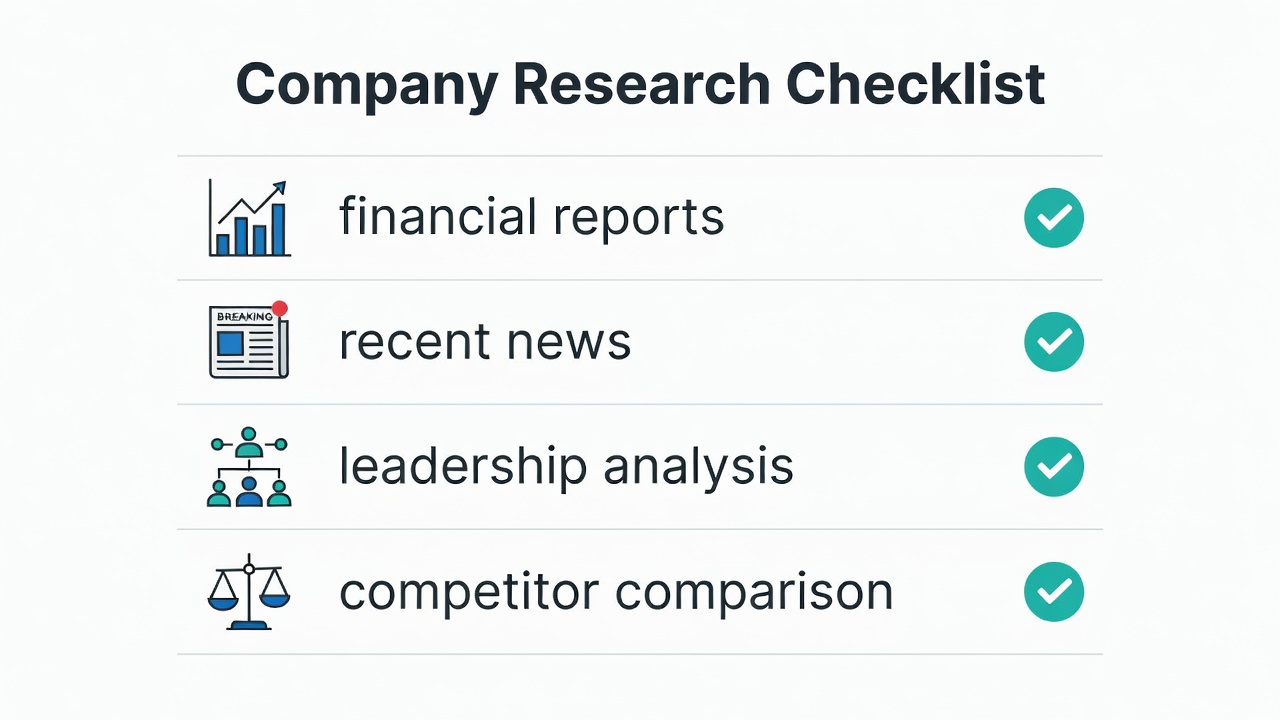
Start with a structured checklist to avoid scattered efforts. Your list should cover company background, recent performance, leadership, culture signals, and competitive landscape. Print or save this framework and tick off items as you complete them. A good checklist prevents you from overlooking critical areas like regulatory filings or employee sentiment trends. It also helps organize your notes so you can quickly reference key facts during the interview itself.
- Official website and about page
- Latest annual report or 10-K filing
- News mentions from the past six months
- Leadership team bios and recent moves
- Competitor comparison points
- Employee review themes on reputable platforms
- Product or service launches
- Social media activity and thought leadership content
Step-by-Step Research Process
Follow this sequence for efficient, high-impact results. Begin with official sources, then layer on external perspectives. This methodical approach ensures you gather both quantitative data and qualitative insights that reveal the company’s true direction.
1. Start with the Company’s Own Materials
Read the careers page, investor relations section, and press releases. Note any stated values or strategic priorities mentioned repeatedly. For example, if a company emphasizes sustainability in multiple reports, prepare examples of how your past work supported environmental initiatives. Examine their blog or resource center for recent thought leadership pieces that indicate where the organization sees itself heading in the coming years.
2. Review Public Financial and Regulatory Data
Access filings through the U.S. Securities and Exchange Commission for public companies. Look for revenue trends, risk factors, and forward-looking statements that reveal priorities. Even if you are not applying for a finance role, understanding revenue streams helps you discuss how your position contributes to growth. Pay special attention to sections on market risks and competition, as these often highlight areas where the company needs fresh talent.
3. Analyze Recent News and Announcements
Use targeted searches for the company name plus keywords like “expansion,” “layoffs,” or “new CEO.” Summarize three to five stories and note how they might affect the role you want. For instance, if the company announced a merger, research integration challenges and prepare to discuss how you can help during transition periods. Cross-reference multiple news outlets to separate factual reporting from speculation.
4. Study the Leadership Team
Review LinkedIn profiles of executives via LinkedIn. Identify recent hires, promotions, or departures that signal internal shifts. Understanding the background of key decision-makers allows you to tailor your answers to their likely priorities. If a new chief technology officer recently joined from a competitor, you can reference their previous work when discussing innovation strategies.
Competitor Insights for Context
Understanding the competitive set shows strategic thinking. Identify two or three direct competitors and compare their market positioning, recent product releases, and customer sentiment. This context helps you discuss how the target company differentiates itself. Create a simple comparison table noting strengths and weaknesses of each player. During the interview, you can reference this analysis when asked about industry trends, demonstrating you see the bigger picture beyond a single organization.
Identifying Red Flags
Not every signal is positive. Watch for consistent negative themes in employee reviews, sudden executive turnover, or regulatory issues. If multiple sources mention the same concern, prepare thoughtful questions about how leadership is addressing it. For example, repeated complaints about work-life balance might indicate high pressure environments; asking how the team manages deadlines shows you are realistic yet proactive. Always verify red flags across at least three independent sources before forming conclusions.
Turning Findings Into Tailored Questions
Transform research into questions that demonstrate preparation. Instead of asking “What is the company culture like?”, try “How has the recent expansion into new markets influenced team collaboration?” This approach shows you have done homework and are thinking like an insider. Aim for four to six strong questions that cover strategy, challenges, and growth opportunities. Good questions often start with phrases like “I noticed in your recent earnings call…” or “Given the competitor launch last quarter…”. These demonstrate both knowledge and critical thinking.
Common Mistakes That Undermine Research Efforts
Many candidates make these errors that weaken their preparation:
- Only reading the homepage and missing deeper resources like annual reports
- Ignoring financial context for non-finance roles, missing opportunities to connect their work to business outcomes
- Failing to connect research to the specific job description, resulting in generic answers
- Asking questions already answered on the website, which signals lack of effort
- Overlooking competitor news that affects the target company and its strategic decisions
- Not updating research within the final 48 hours before the interview, missing last-minute developments
Documenting and Organizing Your Findings
Create a dedicated research document with clear sections for company facts, personal connections to your experience, potential questions, and talking points. Use bullet points for quick scanning during the interview. Review this document the evening before and again the morning of the meeting. This habit keeps details fresh and helps you speak confidently without relying on memory alone.
Putting It All Together for Interview Success
Organize your notes in a simple document with sections for facts, questions, and talking points. Review everything the night before the interview so details remain fresh. Candidates who follow this disciplined approach enter interviews confident and memorable. Combine your research with practice answers to common behavioral questions, weaving in specific company references naturally. The result is a compelling narrative that positions you as the ideal candidate who truly understands the organization’s needs and direction.


No comments yet. Be the first!