 Jobboy

Introduction
AI-driven job interviews are transforming hiring in 2026. Many companies now use automated systems to screen candidates through video, voice, and text analysis before human recruiters get involved. These platforms leverage machine learning models trained on millions of past interviews to predict job performance. Understanding how to navigate these tools can give you a significant edge in a competitive market. This comprehensive guide covers everything from decoding AI algorithms to practicing responses that highlight irreplaceable human traits like empathy and creative problem-solving. Job seekers who master these elements consistently move forward to final rounds at higher rates than those who treat the process like a traditional interview.
Understanding AI Assessment Algorithms
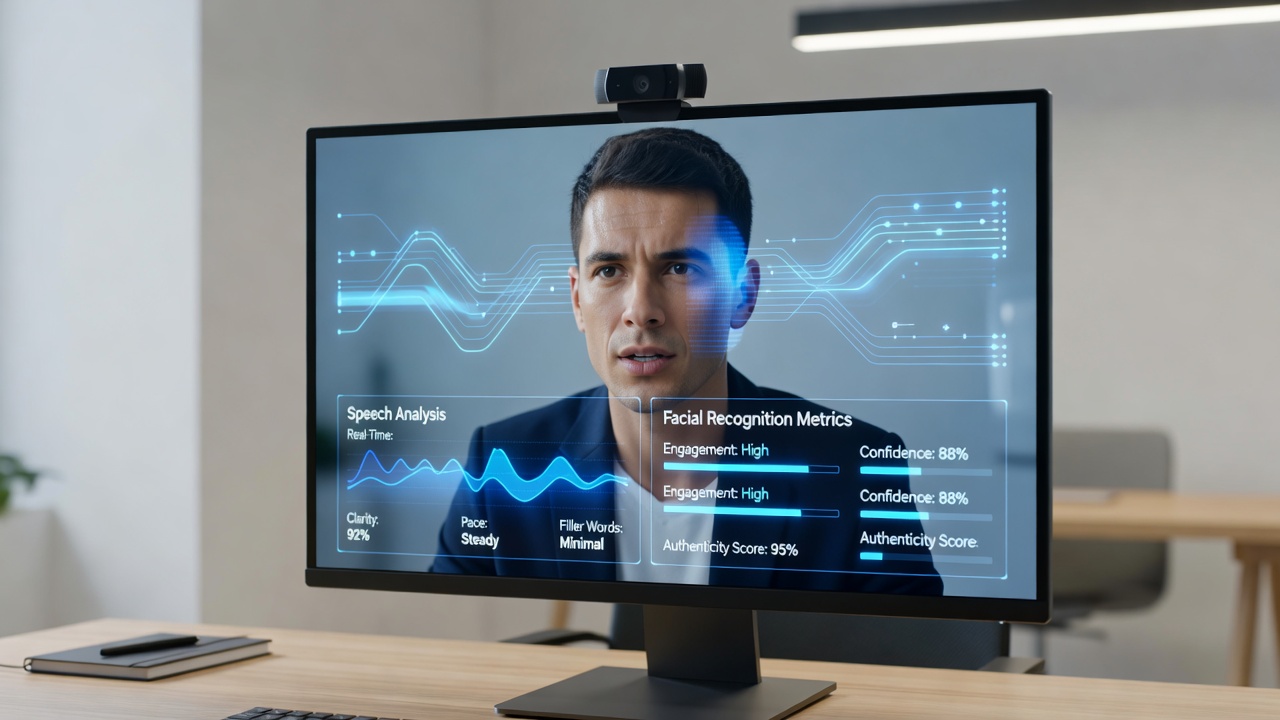
Modern AI interview platforms evaluate candidates on metrics like speech patterns, facial expressions, word choice, and response structure. These systems often draw from large datasets of successful hires to score applicants on traits such as communication clarity, confidence, and cultural fit. Algorithms analyze thousands of data points per minute, including vocal pitch variations and eye movement frequency. While algorithms excel at consistency and bias reduction in volume screening, they sometimes overlook nuanced qualities such as creativity and emotional intelligence. Familiarizing yourself with common platforms like HireVue or Pymetrics helps you prepare targeted responses that align with scoring rubrics. Research shows that candidates who understand algorithmic weighting perform better by emphasizing keywords from the job description without sounding robotic.
Practicing Responses for Voice and Video Analysis
Voice analysis tools measure tone, pace, and filler words, while video systems track eye contact, posture, and micro-expressions. Record practice sessions using your phone or computer camera in conditions that mirror the actual interview environment. Focus on clear enunciation and natural pacing around 120-150 words per minute. Tools like free recording apps allow you to review and refine your delivery repeatedly. Incorporate breathing exercises before sessions to maintain steady vocal tone. For video, position the camera at eye level and practice maintaining soft, consistent eye contact rather than staring intensely. Many successful candidates rehearse in front of a mirror first to build muscle memory for positive body language cues that algorithms reward.
Step-by-Step Preparation Guide
Follow this detailed process to maximize your performance:
- Research the specific AI platform used by the employer through company career pages, Glassdoor reviews, and recent employee feedback posted within the last month. Identify common question types and scoring criteria.
- Prepare concise stories using the STAR method (Situation, Task, Action, Result) tailored to common behavioral questions. Expand each story with specific metrics from your experience to add credibility that algorithms detect as evidence-based.
- Practice in a quiet, well-lit space with a stable internet connection to minimize technical disruptions. Test your setup at the same time of day as the scheduled interview to account for lighting changes.
- Simulate full interviews with timed responses to build comfort with automated pacing. Use a timer app and aim for responses between 60 and 90 seconds unless prompted otherwise.
- Review recordings to eliminate filler words and improve body language. Focus on one improvement area per practice round to avoid overwhelm and track progress over multiple days.
- Seek feedback from peers or mentors who have recently completed AI interviews, incorporating their insights on what scored well versus what triggered lower ratings.
Avoiding Common Mistakes with Automated Systems
Candidates often fail by speaking too quickly, avoiding eye contact with the camera, or providing overly scripted answers that lack authenticity markers. Another frequent error is neglecting background noise or poor lighting, which can confuse audio and visual analysis and lower overall scores. Over-reliance on memorized answers without adapting to question variations also hurts performance. Always test your setup beforehand with a full mock run and maintain genuine engagement as if speaking to a real person. Avoid wearing busy patterns or jewelry that creates visual distractions. If you make a small mistake, continue smoothly rather than restarting, as algorithms often penalize interruptions more than minor errors.
Real-World Examples of Successful Interactions
One marketing professional succeeded by weaving personal anecdotes into answers about campaign challenges, which helped the AI score higher on authenticity markers and led to a second-round invitation. Another candidate in software engineering used strategic pauses to emphasize key achievements from a recent project, resulting in top percentile ratings for clarity. A third example involves a project manager who incorporated brief humor in responses about team conflicts; the system flagged the response as high in emotional intelligence despite the unexpected element. These cases show that blending preparation with natural delivery yields better outcomes than rigid scripting. Reviewing anonymized success stories on professional forums can provide additional patterns to emulate.
Highlighting Human Qualities AI Might Miss
AI systems struggle with detecting subtle humor, cultural context, and genuine passion. Weave in brief personal reflections or unique problem-solving approaches that demonstrate adaptability and empathy. For instance, share a short story about navigating a cross-cultural misunderstanding at work to showcase interpersonal insight. These elements can differentiate you from candidates who deliver purely factual responses. Practice expressing vulnerability in controlled ways, such as discussing a lesson learned from failure, which algorithms increasingly value as a predictor of resilience. Balancing data-driven achievements with emotional narratives creates a well-rounded profile that stands out in final human reviews.
Tools and Resources for Effective Practice
Leverage free and paid resources to refine your skills. Recording software built into most operating systems provides basic analysis, while advanced options offer transcription and tone feedback. Join online communities focused on interview preparation to exchange mock interview recordings. Reading reports from the World Economic Forum on future-of-work trends can contextualize why certain skills are prioritized by AI systems. Additionally, explore case studies from IBM on ethical AI in hiring to understand potential limitations in the technology you will face.
FAQ
How long should my answers be in AI interviews?
Aim for 60-90 seconds per response to match typical algorithm preferences for concise yet complete answers that allow sufficient data collection without exceeding attention thresholds.
Can I use notes during the interview?
Most platforms discourage visible notes, but brief bullet points off-camera can help jog memory without appearing scripted. Practice glancing naturally rather than reading verbatim.
What if the AI misinterprets my accent?
Speak slightly slower and enunciate clearly. Many systems now support diverse accents, but clarity remains key to accurate transcription and sentiment analysis.
How do I handle technical glitches mid-interview?
Stay calm, briefly explain the issue if prompted, and request to restart the question. Most platforms have protocols for such events and do not penalize candidates for platform errors.
Are AI interviews more biased than human ones?
Studies indicate mixed results, with some algorithms reducing certain biases while introducing others. Focusing on clear, evidence-based responses helps mitigate risks regardless of the system.
Conclusion
Success in AI-driven interviews comes from blending technical preparation with authentic human connection. By understanding the technology and emphasizing qualities algorithms overlook, you position yourself as a standout candidate ready for 2026 hiring landscapes. Start practicing today using the step-by-step methods outlined to build lasting confidence for your next opportunity. For broader insights on the future of work, explore resources from the World Economic Forum and SHRM.


No comments yet. Be the first!