 Jobboy

Introduction to ESG Interview Preparation for Supply Chain Roles
Supply chain sustainability has emerged as a pivotal topic in ESG interviews for 2026 candidates, reflecting heightened regulatory scrutiny, investor demands, and consumer expectations for responsible business practices. Professionals preparing for roles in procurement, operations, or sustainability must articulate not only theoretical knowledge but also hands-on experience with ethical sourcing, emissions quantification, and supplier risk management. This expanded guide delivers comprehensive preparation material, covering regulatory landscapes, detailed case studies from multiple industries, structured behavioral response frameworks, and actionable tools for measuring environmental impacts. By the end, readers will be equipped to handle advanced situational questions with confidence and precision.
Key Regulatory Updates Impacting Supply Chains in 2026
The Corporate Sustainability Reporting Directive (CSRD) and EU Deforestation Regulation (EUDR) stand out as transformative pieces of legislation reshaping supply chain accountability. CSRD requires detailed disclosures on environmental, social, and governance matters across the entire value chain, including upstream suppliers and downstream activities, with phased implementation continuing through 2026 for large undertakings. EUDR enforces strict due diligence obligations on commodities such as soy, palm oil, and timber to eliminate deforestation risks, compelling companies to verify traceability back to the point of origin. Interview candidates benefit from explaining how these rules drive changes in supplier contracts, data-sharing agreements, and audit protocols. Additional context comes from the Corporate Sustainability Due Diligence Directive (CSDDD), which introduces civil liability provisions for adverse human rights and environmental impacts. For authoritative guidance, review resources from the European Commission. Aligning interview answers with TCFD recommendations further strengthens responses by organizing content around governance structures, strategic resilience planning, risk identification processes, and target-setting metrics. Updated TCFD-aligned resources are available through the IFRS Foundation.
Real Company Case Studies Across Sectors
Leading organizations provide rich examples for interview discussions. In the automotive industry, a major European manufacturer implemented a tiered supplier engagement program that mapped emissions from raw material extraction through assembly, achieving verified reductions by switching to recycled aluminum and low-carbon steel sources. The consumer packaged goods sector offers the case of a multinational food company that deployed satellite monitoring and blockchain platforms to ensure EUDR compliance for cocoa and coffee supply chains, resulting in full traceability for 85 percent of volumes within two years. Technology hardware firms have addressed conflict minerals by establishing multi-stakeholder initiatives that include third-party smelter audits and public grievance mechanisms. Retailers, meanwhile, focus on garment factory working conditions through collaborative audits and remediation funds. These cases highlight sector-specific tactics such as material substitution in manufacturing versus labor standards enforcement in apparel, offering candidates concrete stories to reference during discussions.
Weak vs Strong STAR-Based Answers
Behavioral and situational questions reward the STAR method. Consider a question on supplier non-compliance: A weak answer might say, "We once had a supplier issue and fixed it eventually." In contrast, a strong response states: "During a routine audit at a chemical supplier in Southeast Asia (Situation), our team identified gaps in wastewater treatment that violated our code of conduct (Task). I coordinated with procurement and sustainability leads to develop a 90-day improvement roadmap, including on-site training and third-party verification (Action), which led to full compliance, a 30 percent drop in reported incidents, and strengthened long-term partnership terms (Result)." Another example on emissions tracking: Weak version focuses on general awareness, while the strong version quantifies baseline establishment, software implementation, and year-over-year progress percentages. Practicing multiple variations builds fluency for 2026 interview panels.
Frameworks for Quantifying Scope 3 Emissions and Ethical Sourcing
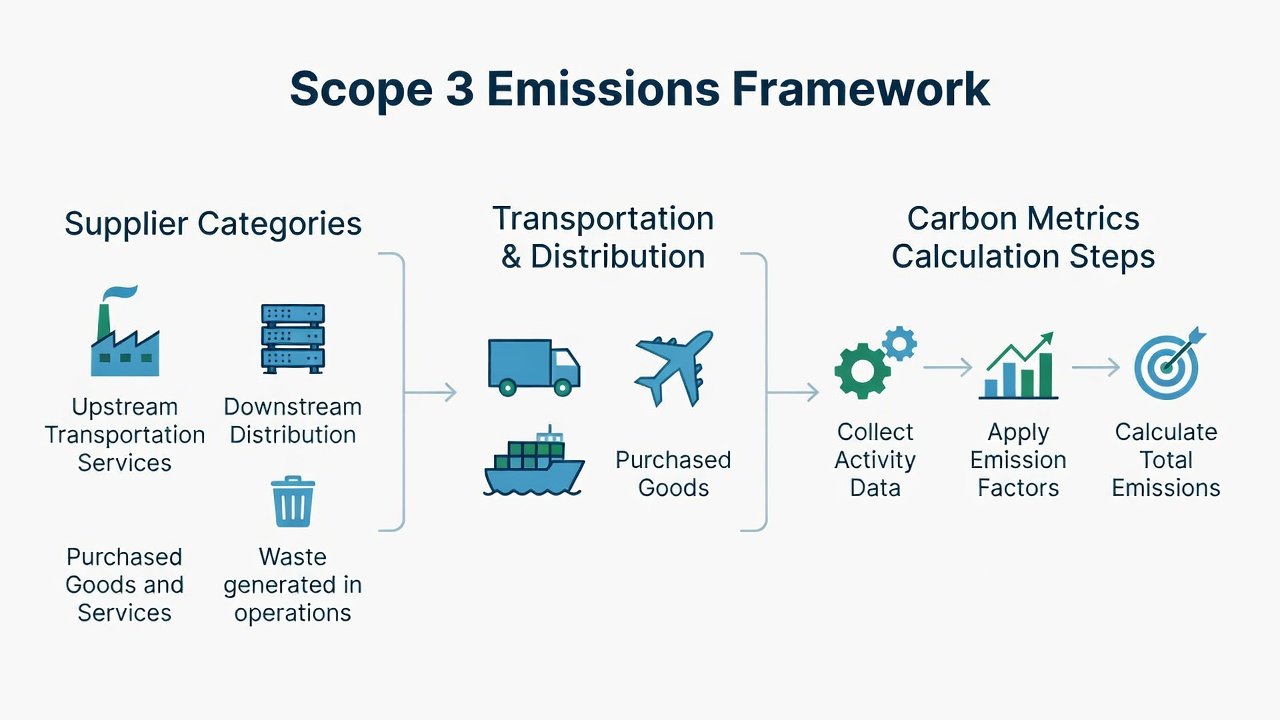
The GHG Protocol Corporate Value Chain (Scope 3) Standard provides the foundational methodology, breaking emissions into 15 categories ranging from purchased goods and services to end-of-life treatment of sold products. Practical implementation begins with a materiality assessment to prioritize high-impact categories, followed by supplier surveys for primary activity data, hybrid calculation approaches combining spend-based estimates with supplier-specific factors, and iterative target setting using science-based targets initiative criteria. Ethical sourcing frameworks draw from the OECD Due Diligence Guidance for Responsible Business Conduct, emphasizing risk identification through geographic and commodity mapping, prevention through contractual clauses, and remediation via corrective action plans with escalation pathways. Sector comparisons reveal differences: heavy industry emphasizes energy-intensive processes and Scope 3 Category 1 data quality, while logistics prioritizes transportation mode shifts and Category 4 upstream emissions. Candidates can reference tools such as life-cycle assessment software and supplier collaboration platforms to demonstrate technical proficiency.
Sample Q&A on Supplier Audits and Carbon Metrics
- Q: Describe your approach to conducting supplier sustainability audits. A: Begin with risk-based prioritization using spend volume and geographic exposure, followed by standardized questionnaires aligned with GRI and SASB indicators, on-site visits for high-risk suppliers, and post-audit scorecards that feed into procurement decisions and capacity-building workshops.
- Q: How do you measure and report Scope 3 carbon metrics? A: Establish a 2019 baseline using the GHG Protocol, collect data through annual supplier portals with verification requirements for top emitters, calculate intensity ratios per revenue or unit produced, and disclose progress in annual reports aligned with TCFD pillars.
- Q: What steps would you take if a key supplier refuses to share emissions data? A: Engage senior leadership for relationship leverage, offer technical assistance for data collection, apply contractual incentives or penalties, and develop proxy models while pursuing diversification strategies.
Practical Research Tips Using ESG Reports
Effective preparation involves systematic review of target company sustainability reports, CDP submissions, and modern slavery statements released within the past 12 months. Start by extracting supply chain priorities and targets, then cross-check against external ratings from MSCI or Sustainalytics to identify gaps. Prepare insightful questions such as how the organization plans to integrate CSDDD requirements or scale Scope 3 data coverage beyond tier-1 suppliers. This approach signals genuine interest and analytical depth to interviewers.
Short FAQ on Handling Tricky Compliance Scenarios
How do you balance cost pressures with sustainability requirements in supplier negotiations? Integrate total cost of ownership models that factor in regulatory non-compliance risks and long-term resilience benefits rather than focusing solely on unit price.
What if supplier data quality remains inconsistent across regions? Deploy standardized digital platforms with training modules and phased verification targets, starting with the largest emission contributors.
How should candidates address potential human rights violations discovered during due diligence? Outline immediate suspension protocols, stakeholder engagement, and transparent reporting while maintaining legal compliance with disclosure obligations.
Can you explain the difference between CSRD and EUDR reporting timelines? CSRD follows a phased rollout based on company size with full applicability by 2026 for many firms, whereas EUDR enforcement began earlier with ongoing commodity-specific due diligence obligations.
Conclusion
Mastering supply chain sustainability topics positions candidates for success in demanding 2026 ESG interviews. Combining regulatory fluency, detailed case study references, structured behavioral responses, and practical quantification frameworks creates compelling narratives that resonate with hiring managers seeking proven expertise in ethical and low-carbon supply chains.

No comments yet. Be the first!