 Jobboy

Introduction to ESG Interview Questions on Human Rights
Human rights due diligence has become a core pillar of ESG interviews in 2026. Recruiters seek candidates who can demonstrate deep knowledge of supply chain ethics, regulatory compliance, and measurable social impact. This article provides advanced frameworks, real-world case studies, and proven response techniques to help you stand out in competitive interviews. Advanced candidates must move beyond basic definitions and show how they apply frameworks to real business scenarios, including risk identification, stakeholder engagement, and remediation strategies.
Understanding the shift from voluntary guidelines to mandatory legislation is essential. Companies now face legal requirements to identify, prevent, and remedy human rights abuses across global operations. Interviewers frequently probe for evidence of practical experience, such as conducting audits or developing supplier codes of conduct. By preparing detailed examples, you position yourself as a values-aligned professional ready to contribute immediately.
Key 2026 Regulatory Updates: CSDDD and Beyond
The Corporate Sustainability Due Diligence Directive (CSDDD) represents the most significant change for European operations. It mandates companies to conduct human rights and environmental due diligence throughout their value chains, including upstream suppliers and downstream business relationships. Candidates should reference how CSDDD builds on the UN Guiding Principles on Business and Human Rights while introducing civil liability provisions that allow affected parties to seek remedies in EU courts.
Additional updates include expanded reporting under the Corporate Sustainability Reporting Directive (CSRD) and alignment with OECD Due Diligence Guidance. Interviewers often ask how these frameworks interact in practice, such as integrating CSDDD requirements into existing CSRD disclosures. Other developments encompass national laws in Germany and France that impose similar obligations, creating a patchwork of compliance demands for multinational firms. Staying current with these changes demonstrates proactive preparation.
Learn more from authoritative sources: European Commission and OHCHR Business and Human Rights. Additional guidance is available via the OECD due diligence resources.
Real Company Case Studies from Fashion and Tech
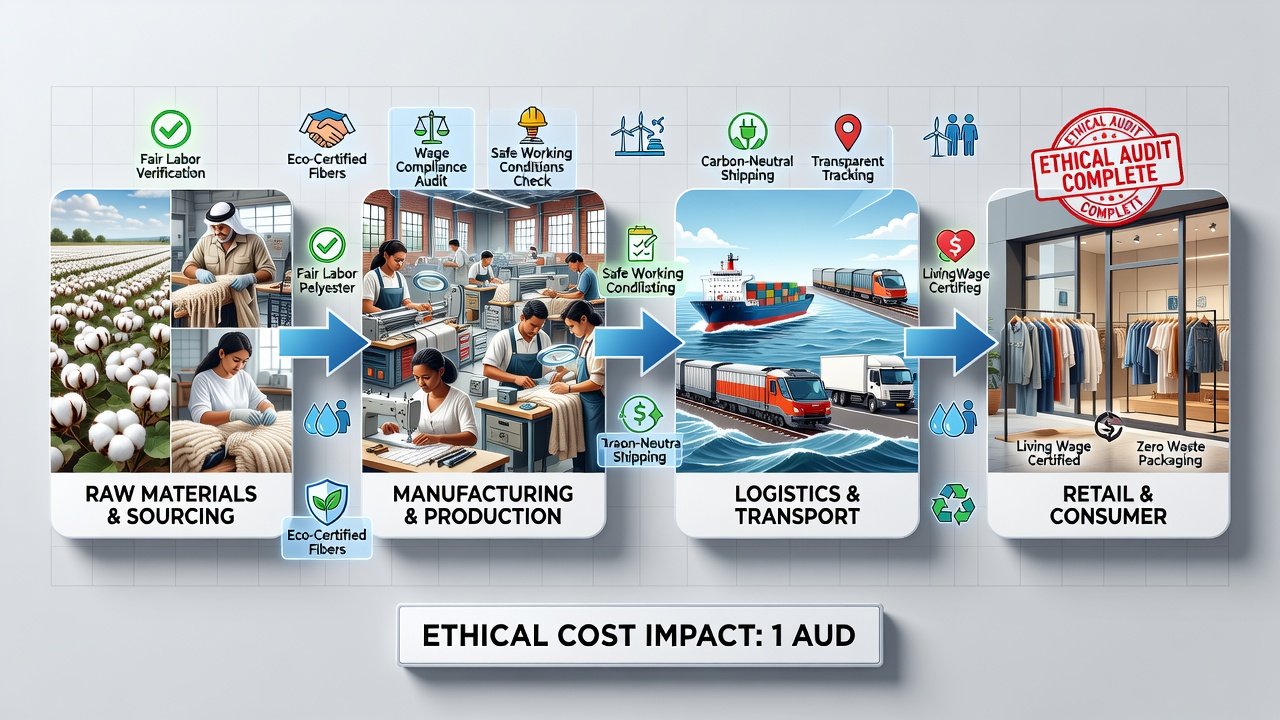
In the fashion sector, brands like H&M have implemented traceability systems for cotton sourcing to address forced labor risks. Their 2025 reports detail supplier audits and remediation programs that reduced identified violations by integrating third-party verification and blockchain tracking for raw materials. This approach allowed the company to map over 90 percent of its Tier-2 suppliers and establish corrective action plans with measurable timelines.
Tech companies such as Apple have expanded due diligence in mineral supply chains, particularly for cobalt and lithium. Public disclosures show partnerships with NGOs to improve working conditions in mining regions, offering concrete examples of quantified impact metrics like reduced child labor incidents through community education programs. These cases highlight the importance of combining technology with on-the-ground engagement for effective risk mitigation.
Another relevant example comes from the automotive industry, where companies are addressing similar risks in battery supply chains. Lessons from these sectors can be adapted across industries, showing interviewers your ability to draw cross-sector insights.
Weak vs Strong STAR Answer Examples
Behavioral questions require structured responses using the STAR method (Situation, Task, Action, Result). Here is a weak example: “I once reviewed a supplier policy and suggested changes.” This lacks specificity and measurable outcomes.
A strong version: “In my previous role (Situation), our team identified gaps in a Tier-2 supplier’s labor policy regarding excessive working hours in a high-risk region (Task). I led a cross-functional review using the UNGP framework, mapped risks through on-site assessments, and collaborated with procurement to implement a new audit protocol with annual third-party reviews (Action). This resulted in a 40 percent reduction in flagged issues within six months, improved supplier retention rates, and full compliance documentation for our annual sustainability report (Result).”
Prepare two to three such examples tailored to your experience, focusing on quantifiable results and alignment with 2026 regulatory expectations.
Practical Frameworks for Researching Corporate Policies
Effective preparation involves systematic policy analysis. Start with publicly available modern slavery statements and sustainability reports. Map policies against the UN Guiding Principles’ four pillars: policy commitment, due diligence processes, remediation mechanisms, and grievance channels. Create a checklist that evaluates each pillar for completeness and evidence of implementation.
Use tools such as the Corporate Human Rights Benchmark to compare peers. Document specific metrics like audit coverage percentages and remediation timelines. This data-backed approach demonstrates both research rigor and values alignment. Additional steps include reviewing investor ESG reports, NGO critiques, and regulatory filings to build a balanced view of company performance.
Quantifying Social Impact Metrics
Interviewers expect candidates to translate qualitative commitments into numbers. Key metrics include: percentage of suppliers audited annually, average remediation completion time, number of worker grievances resolved, and living wage coverage rates. For instance, aim to discuss how a company achieved 95 percent audit coverage in priority regions as of late 2026 data points.
Build a simple dashboard approach using publicly reported data. For example, compare a company’s audit completion rate against industry averages published by the Responsible Business Alliance. Discuss how these metrics link to broader business outcomes like reduced reputational risk and improved investor confidence.
Handling Ethical Dilemma Questions
Ethical dilemmas test decision-making under pressure. A common prompt: “A key supplier uses child labor in a region with weak enforcement. What do you do?”
Strong responses outline a phased approach: immediate risk assessment using internal and external data, engagement with the supplier on remediation plans with clear deadlines, escalation to senior leadership if progress stalls, and transparent stakeholder communication including affected communities. Always reference legal obligations under CSDDD and company remediation protocols while emphasizing long-term capacity building over quick exits from suppliers.
Common Mistakes to Avoid in ESG Interviews
Many candidates fail by providing generic answers without data or by ignoring the business case for human rights. Avoid over-relying on theory; instead, connect every point to tangible business impacts such as supply chain resilience or regulatory fines avoidance. Another pitfall is neglecting downstream impacts, which CSDDD now emphasizes. Prepare by rehearsing responses that balance ethics with commercial realities.
Sector Comparison Table
| Sector | Primary Human Rights Risks | Typical Due Diligence Focus | Example Metric |
|---|---|---|---|
| Fashion | Forced labor, excessive overtime | Traceability and supplier audits | 85% Tier-1 audit coverage |
| Tech | Conflict minerals, data privacy | Mineral sourcing and worker welfare | Third-party smelter validation |
| Automotive | Migrant worker exploitation | Battery supply chain mapping | Living wage assessments |
| Food & Agriculture | Land rights and child labor | Smallholder farmer programs | Certification coverage rates |
Short FAQ on Common Interviewer Follow-Ups
How does CSDDD differ from previous voluntary standards?
CSDDD introduces civil liability and mandatory enforcement mechanisms, unlike the voluntary nature of earlier UN Guiding Principles implementation. This creates new legal exposure for non-compliance.
What tools do you use to monitor supply chain risks?
Recommended tools include supplier questionnaires, satellite monitoring for environmental overlaps, and third-party audit platforms aligned with OECD guidance. Integration with AI-driven risk analytics is increasingly expected.
How would you measure success of a human rights program?
Success is measured through reduced violation incidents, faster remediation cycles, and positive feedback from affected stakeholders tracked via grievance mechanisms. Tie metrics to both social outcomes and business KPIs.
Can you give an example of a failed due diligence effort and the lesson learned?
Discuss a real or hypothetical case where initial audits missed hidden subcontracting, leading to strengthened multi-tier mapping processes and increased frequency of unannounced visits.
Conclusion
Mastering ESG interview questions on human rights requires blending regulatory knowledge, concrete case examples, and structured storytelling. Use the frameworks, STAR techniques, and sector comparisons outlined here to deliver data-backed, values-aligned responses that resonate with 2026 hiring panels. Consistent preparation with these elements will differentiate you as a candidate ready to drive meaningful change.

No comments yet. Be the first!