 Jobboy
Introduction to VR in Modern Onboarding
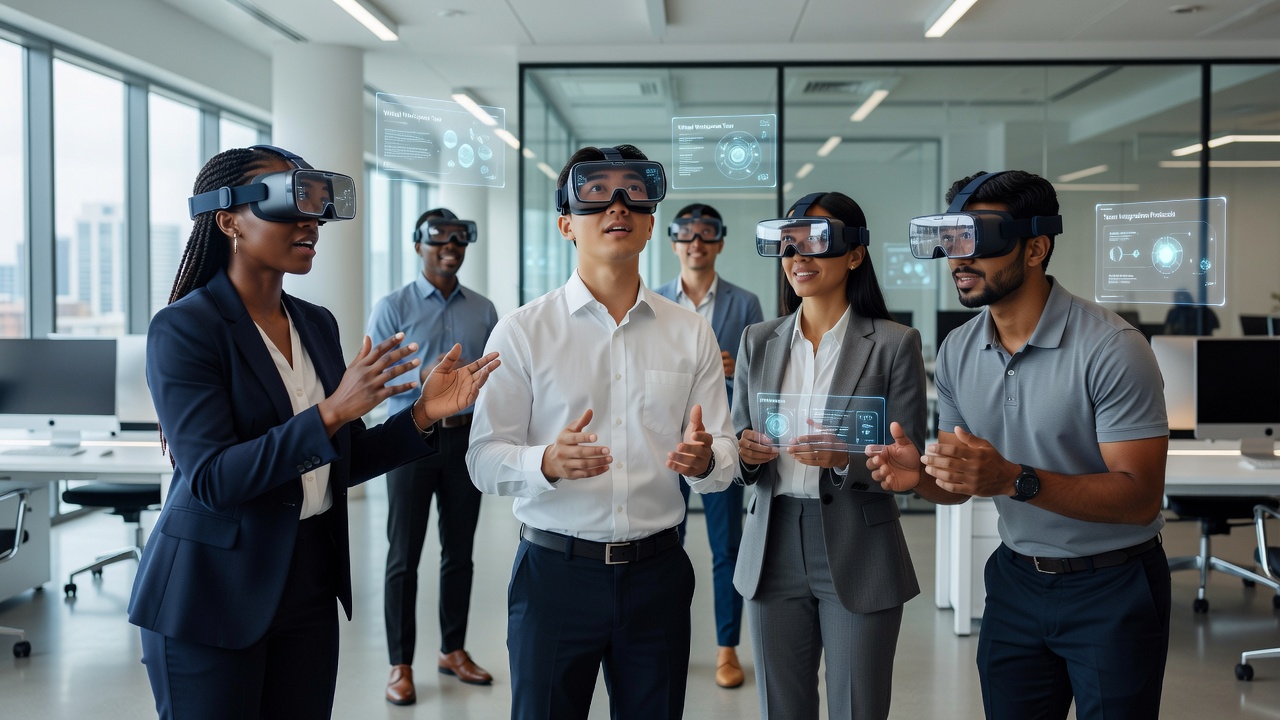
Traditional onboarding often leaves new hires disengaged, with high turnover rates plaguing many organizations. In 2026, virtual reality (VR) offers immersive experiences that simulate real work environments, fostering faster cultural integration and skill acquisition. This guide helps HR professionals leverage VR to differentiate talent strategies and improve retention. By moving beyond paperwork and generic videos, companies can create memorable first impressions that directly influence long-term loyalty and performance. The shift to immersive technology addresses common pain points like information overload and social isolation, especially in hybrid or remote-first workplaces where physical office visits are limited.
Why VR Transforms Onboarding Outcomes
VR creates emotional connections through realistic simulations, unlike static videos or paperwork. Research from leading HR bodies shows immersive training boosts knowledge retention by up to 75 percent. It reduces anxiety for remote or hybrid hires by allowing virtual office exploration before day one. Employees who feel prepared from the outset demonstrate higher productivity levels within their first 30 days. Furthermore, VR enables consistent experiences across global teams, ensuring every new hire receives the same high-quality introduction regardless of location. This consistency is particularly valuable for multinational organizations seeking to standardize processes while respecting regional differences.
Selecting the Right VR Tools for Your Team
Begin by assessing hardware compatibility and software scalability. Popular platforms include standalone headsets like Oculus Quest series and enterprise solutions from HTC Vive. Evaluate based on ease of content creation, integration with existing HRIS systems, and data privacy compliance. Pilot with a small group to test user adoption before full rollout. Consider factors such as multi-user support for group sessions, analytics dashboards for tracking progress, and customization options that allow branding with company logos and values. It is also wise to review vendor support for updates and training resources, as technology evolves rapidly. Comparing open-source options versus proprietary platforms can help balance cost with functionality, ensuring the chosen solution aligns with your organization's technical infrastructure and future growth plans.
Designing Virtual Office Tours and Role Simulations
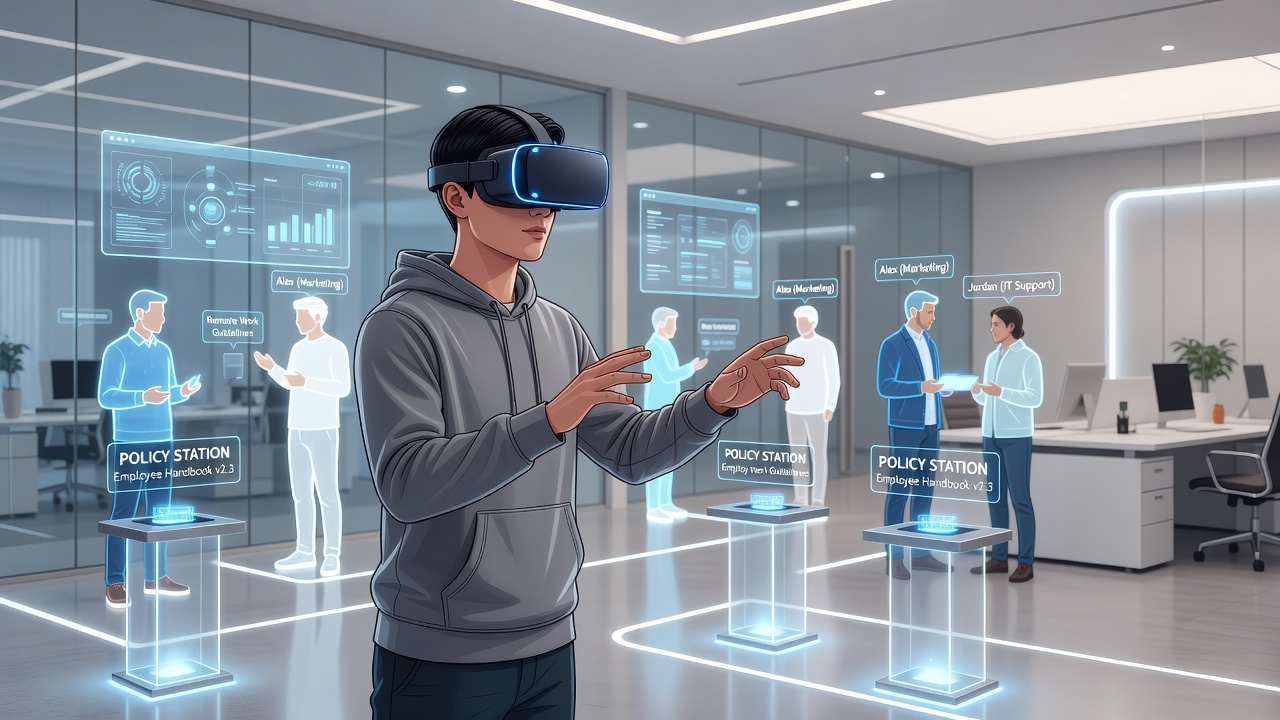
Start with 360-degree office scans for welcoming tours. Layer interactive elements like clickable policy stations or team member avatars. For role simulations, script scenarios matching job functions, such as client meetings or code reviews. Use branching narratives to adapt difficulty levels. Incorporate feedback loops so new hires can replay and refine responses. Design tours to highlight not only physical spaces but also cultural elements, such as virtual representations of company values or success stories from current employees. Role simulations should include realistic challenges that mirror actual job demands, complete with time constraints and decision trees that reflect real workplace dynamics. Collaborate with subject matter experts during the design phase to ensure accuracy and relevance. Testing prototypes with recent hires provides valuable insights into what resonates most effectively.
Step-by-Step Implementation Guide
- Define onboarding goals and map VR experiences to key milestones like day one, week one, and month one. Align these goals with broader talent acquisition objectives to ensure measurable alignment.
- Partner with VR developers or use no-code platforms for custom content. Document requirements thoroughly, including desired scenarios, accessibility features, and integration points with learning management systems.
- Train facilitators on hardware setup and moderation. Provide ongoing professional development so internal teams can update content independently when policies or roles change.
- Roll out in phases, collecting qualitative feedback after each session. Use both automated surveys and live debriefs to capture nuanced reactions that quantitative data might miss.
- Iterate based on analytics from session completion rates and engagement metrics. Establish a quarterly review cycle to incorporate new technologies or address emerging employee needs.
Measuring Impact on New Hire Satisfaction
Track metrics such as eNPS scores, time-to-productivity, and 90-day retention rates. Surveys embedded in VR sessions provide real-time sentiment data. Compare pre- and post-VR cohorts to quantify improvements in belonging and confidence. Tools like pulse surveys integrated with VR platforms streamline this process. Advanced measurement might include eye-tracking data to understand which elements capture attention most effectively, or physiological indicators of stress reduction during simulated high-pressure tasks. Sharing these insights with leadership helps secure continued investment and demonstrates the strategic value of immersive onboarding beyond basic compliance training.
Real-World Case Examples from Tech Companies
Leading firms like those in Silicon Valley have reported accelerated team cohesion through VR team-building simulations. One enterprise used virtual role-plays to cut ramp-up time significantly, while another integrated cultural immersion modules that improved diversity awareness scores. A global software company implemented VR onboarding for engineering teams and observed stronger cross-functional collaboration within the first quarter. Another example involves a fintech startup that used simulated client interactions to prepare customer support staff, resulting in noticeably higher satisfaction ratings from both employees and clients. These cases illustrate how tailored VR content can address industry-specific challenges while delivering scalable results across different company sizes.
Cost Considerations Versus Traditional Methods
While initial VR investments exceed standard orientations, long-term savings emerge from reduced turnover and faster productivity. Organizations often see ROI within the first year through scalable content reuse across global teams. Qualitative factors like enhanced employer branding further justify the shift for competitive talent markets. Decision-makers should evaluate total cost of ownership, including maintenance, content updates, and potential hardware replacements, against the hidden costs of traditional methods such as repeated in-person training sessions or lost productivity during extended ramp-up periods.
Common Mistakes to Avoid
Many organizations rush implementation without sufficient pilot testing, leading to technical glitches that undermine credibility. Another frequent error is neglecting accessibility from the start, which can exclude valuable talent. Overly complex simulations without clear learning objectives also reduce effectiveness. Finally, failing to update content regularly makes experiences feel outdated quickly, diminishing engagement over time.
Addressing Accessibility and Tech Requirements
Ensure VR solutions support adjustable settings for motion sensitivity and include subtitles or voice controls. Hardware requirements typically involve mid-range headsets and stable Wi-Fi; cloud-based options minimize local device demands. Always offer alternative non-VR pathways for inclusivity. Organizations should also consider multilingual support and cultural customization to serve diverse workforces effectively. Regular audits of accessibility features keep programs compliant with evolving standards and inclusive of employees with varying abilities.
FAQ
What hardware is needed for VR onboarding?
Most programs run on consumer-grade headsets with basic PCs or standalone devices, requiring minimal IT support.
How does VR handle accessibility concerns?
Modern platforms include accessibility features like captions, adjustable interfaces, and non-VR alternatives to accommodate diverse needs.
Can small teams afford VR onboarding?
Scalable subscription models make it viable; start with shared hardware and expand as adoption grows.
What about data privacy in VR sessions?
Choose GDPR-compliant providers and anonymize session data to protect employee information.
How long does it take to develop custom VR content?
Development timelines vary but typically range from several weeks for simple tours to a few months for complex simulations, depending on the level of interactivity required.
For additional HR insights, explore resources from SHRM and World Economic Forum.
Conclusion
Integrating VR into onboarding represents a forward-thinking approach that pays dividends in engagement, retention, and employer brand strength. By following structured selection, design, and measurement processes, HR teams can deliver experiences that set new hires up for immediate success. As technology continues to advance, staying informed about emerging capabilities will ensure your programs remain competitive and effective well into the future.


No comments yet. Be the first!