 Jobboy

Introduction to Social Media Recruiting in 2026
As the job market evolves, social media recruiting has become essential for attracting top talent. In 2026, recruiters leverage platforms like LinkedIn, emerging networks, and short-form video sites to build employer brands and engage both active and passive candidates. This guide provides practical, budget-friendly strategies that integrate employer branding while delivering measurable results. Organizations that invest in these approaches see faster hiring cycles and stronger talent pipelines because candidates increasingly research company culture online before applying.
The shift toward social-first recruiting reflects broader changes in how professionals discover opportunities. Rather than relying solely on job boards, forward-thinking teams treat social channels as always-on talent communities. This article walks through every stage of building effective campaigns, from choosing platforms to optimizing for long-term employee retention.
Selecting the Right Social Media Channels
Choosing platforms starts with understanding where your ideal candidates spend time. LinkedIn remains the cornerstone for professional roles, offering advanced search filters and company pages that let recruiters showcase thought leadership. Emerging networks such as Threads and specialized industry forums gain traction for niche talent in fields like sustainability and AI. TikTok and Instagram work well for creative and entry-level positions, showcasing day-in-the-life content that highlights company culture through authentic employee voices.
Evaluate each channel based on audience demographics, engagement rates, and ad costs. Start with two or three platforms rather than spreading efforts too thin. For example, a software company might prioritize LinkedIn for senior engineers while using TikTok to attract recent graduates. Monitor platform algorithm updates quarterly to adjust posting times and content formats accordingly.
Creating Engaging Content That Highlights Company Culture
Effective content goes beyond job postings. Share employee testimonials, behind-the-scenes videos, and leadership insights. Use storytelling to demonstrate values, work-life balance, and growth opportunities. Carousel posts and live Q&A sessions foster authentic connections that resonate with passive candidates. Video content performs especially well in 2026, with short clips under 60 seconds driving the highest completion rates.
Consistency matters. Develop a content calendar aligned with hiring goals and seasonal trends. Incorporate hashtags and trending audio to increase organic reach without additional spend. One practical example is a monthly “Meet the Team” series that rotates departments, allowing candidates to visualize their potential colleagues and daily environment. Pair these posts with employer branding elements such as branded templates and consistent color palettes to strengthen recognition.
Techniques for Targeting Passive Candidates
Passive candidates rarely apply directly but respond to personalized outreach. Use LinkedIn Sales Navigator or similar tools to build targeted lists based on skills, experience, and location. Craft messages that reference specific achievements rather than generic templates. Research shows that mentioning a recent project or shared connection increases response rates dramatically.
Retargeting ads on platforms like Meta and X allow you to nurture interest after initial engagement. Combine these with employee referral programs amplified through social sharing. Another advanced tactic involves joining and contributing to industry-specific groups where talent discussions occur naturally, positioning your company as a knowledgeable participant rather than a direct recruiter.
Step-by-Step Campaign Setup
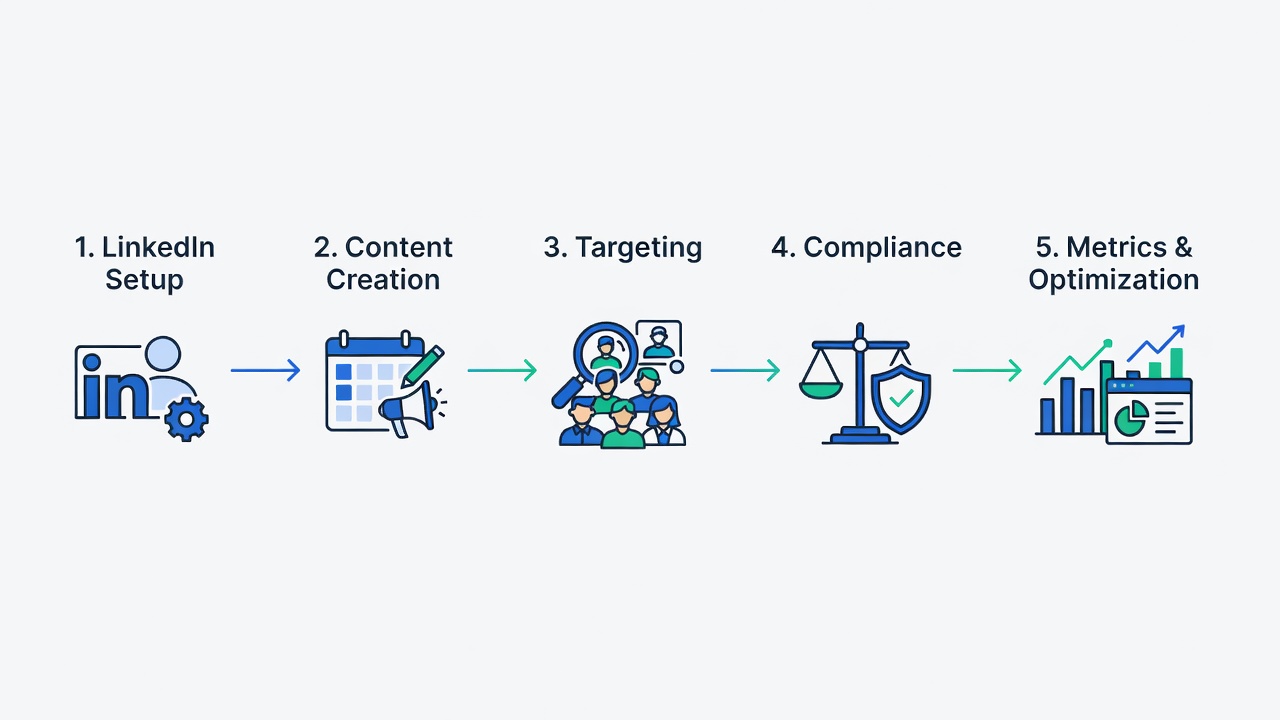
Follow these steps for successful campaigns:
- Define clear objectives and ideal candidate personas, including must-have skills and cultural fit indicators.
- Set up or optimize company pages with consistent branding, professional photos, and updated about sections.
- Create compelling ad creatives and organic posts that speak directly to candidate pain points.
- Launch A/B tests on headlines, images, and calls-to-action to identify winning combinations quickly.
- Monitor initial performance and adjust targeting within the first 48 hours based on click-through and engagement data.
- Integrate tracking pixels early to capture application sources accurately and attribute results to specific campaigns.
Document every decision so future campaigns can replicate successes and avoid repeated mistakes.
Compliance Tips for Social Recruiting
Stay aligned with regulations to avoid legal risks. Review EEOC guidelines on fair hiring practices when using social data. Obtain necessary consents for data collection and ensure job postings do not discriminate based on protected characteristics. Maintain records of all screening decisions for at least one year.
Document all screening processes and train team members on platform-specific rules regarding privacy and advertising. It is also wise to consult Department of Labor resources for updates on labor laws that intersect with digital recruiting. Regular compliance audits help identify gaps before they become costly issues.
Performance Measurement with HR Metrics
Track metrics such as cost-per-hire, time-to-fill, engagement rates, and quality-of-hire scores. Tools native to each platform provide dashboards, while ATS integrations offer deeper insights. Review these metrics monthly to refine strategies and demonstrate ROI to leadership. Additional useful indicators include message response rates, profile view growth, and employee advocacy participation levels.
Establish benchmarks at the start of each quarter and compare against industry averages. For instance, organizations that combine organic and paid social efforts often report 30-40% improvements in time-to-fill compared with traditional methods alone. Share these findings in leadership reports to secure continued budget support.
Real-World Examples from Successful Recruiters
Tech companies have used LinkedIn employee advocacy programs to double application rates within six months. Retail brands leveraged TikTok challenges to attract Gen Z talent, resulting in faster hiring cycles and higher retention among new hires. A healthcare system in the Midwest created Instagram Reels featuring nurse stories that generated over 500 qualified leads in one quarter. These examples show how combining organic content with targeted ads creates scalable results across industries.
Budget-Friendly Social Recruiting Strategies
Not every tactic requires paid advertising. Encourage employees to share job openings on their personal profiles using pre-written copy and branded graphics. Host virtual career events on free platform features such as LinkedIn Events or Instagram Live. Repurpose existing employee-generated content into multiple formats to maximize reach without extra production costs.
Common Mistakes to Avoid
Many teams fail by posting inconsistently or using overly sales-oriented language. Another frequent error is neglecting mobile optimization, which alienates a large portion of younger candidates. Finally, ignoring comment sections and direct messages can damage employer reputation even when the original content is strong.
Conclusion
Social media recruiting in 2026 rewards organizations that prioritize authenticity, data-driven decisions, and candidate experience. By following the strategies outlined above, recruiters can build talent pipelines that support both immediate hiring needs and long-term retention goals.
FAQ
What are common pitfalls in social media recruiting?
Overlooking compliance, inconsistent posting, and failing to personalize outreach are frequent mistakes that reduce effectiveness and increase legal exposure.
How can recruiters optimize for employee retention through social strategies?
Highlight career development stories and maintain engagement with new hires on social channels to reinforce belonging and reduce early turnover.
Should small businesses use paid social ads for recruiting?
Yes, even modest budgets can yield strong returns when ads are narrowly targeted and paired with strong organic content that builds trust before candidates see the job posting.


No comments yet. Be the first!