 Jobboy
Introduction: The Shift Toward Skills-Based Hiring in 2026
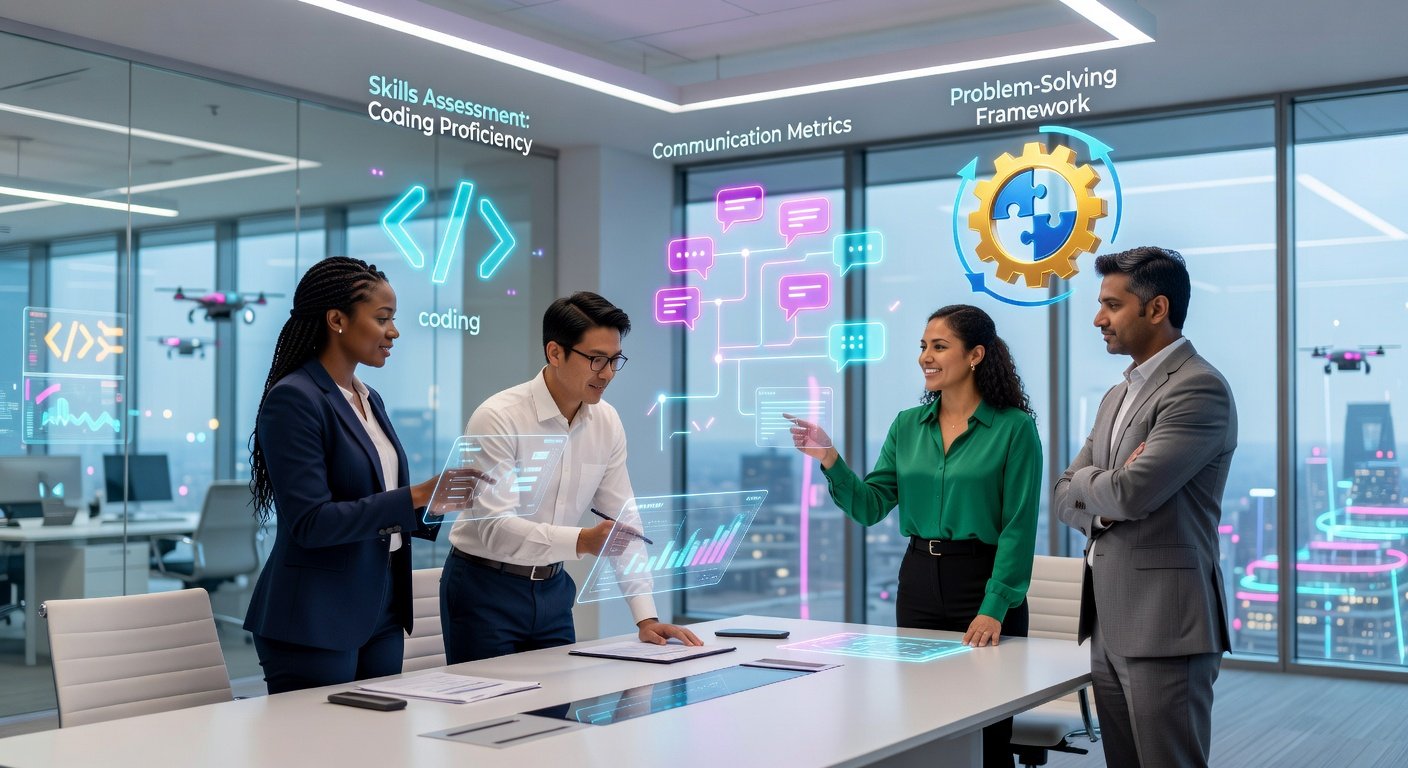
In today's fast-evolving job market, traditional resume screening often falls short. Skills-based hiring prioritizes candidates' actual abilities through assessments and structured interviews rather than credentials alone. This approach helps companies attract diverse talent and respond quickly to openings in competitive 2026 landscapes.
By 2026, organizations adopting skills-based methods report stronger teams and improved retention rates. The focus moves from pedigree to performance, creating more equitable and efficient recruiting processes.
What Is Skills-Based Hiring?
Skills-based hiring evaluates applicants based on demonstrated competencies required for the role. Instead of relying solely on degrees or past job titles, recruiters use practical tests, work samples, and behavioral interviews. This method uncovers hidden talent pools, including career changers and self-taught professionals.
For example, a software developer role might involve a live coding challenge instead of reviewing educational backgrounds. Companies like those highlighted by leading HR resources such as SHRM emphasize how this reduces bias and improves hiring accuracy.
Key Benefits for Talent Acquisition and Retention
Adopting skills-based hiring delivers measurable advantages. It accelerates time-to-hire by streamlining evaluations, allowing faster responses to job postings in tight markets. Employees hired this way tend to stay longer because their fit aligns closely with role demands.
Additional benefits include broader diversity, reduced turnover costs, and stronger employer branding. Transparent processes signal that the company values merit, attracting top performers who seek fair opportunities.
Practical Steps to Implement Skills Tests
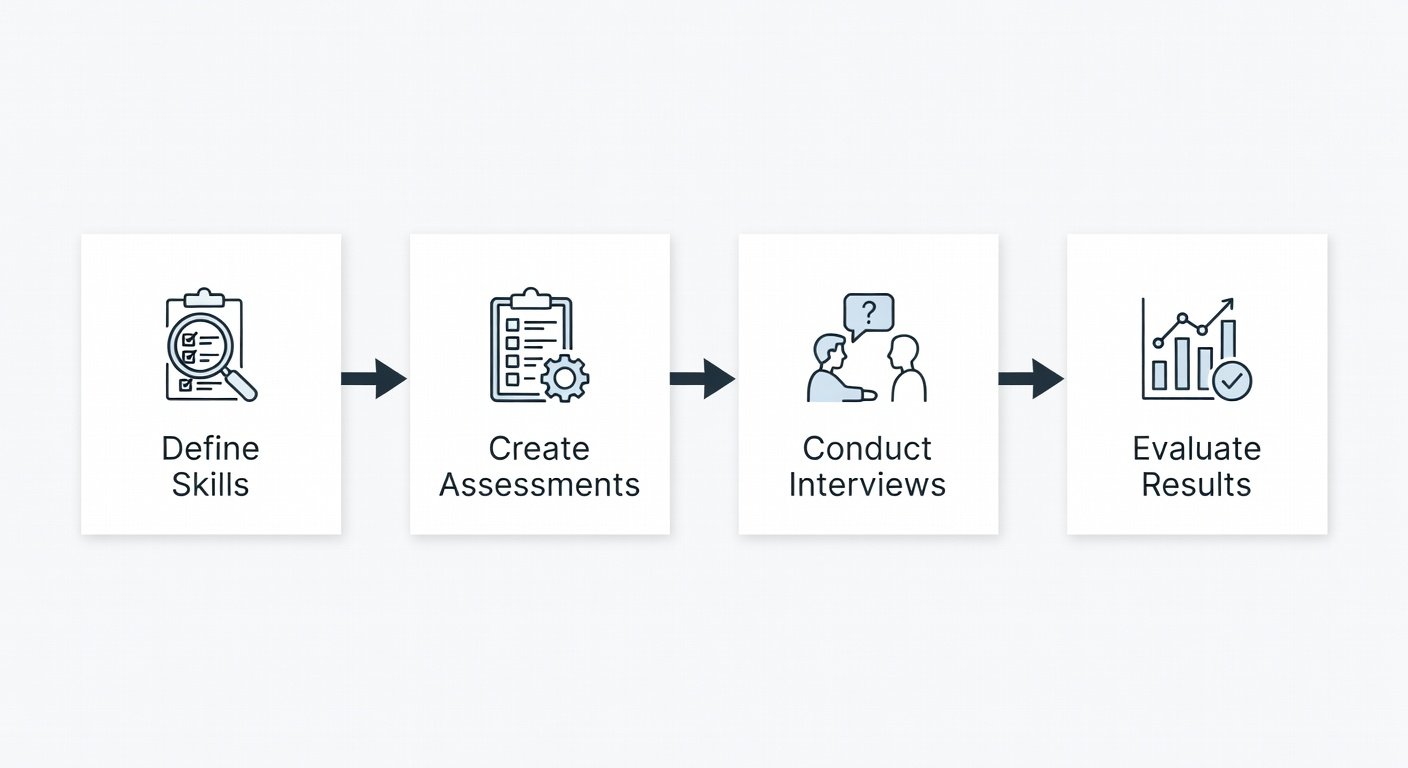
Start by clearly defining the core skills for each position. Collaborate with team leads to create role-specific rubrics. Next, select assessment tools such as coding platforms, writing samples, or situational judgment tests.
Integrate these into your application workflow without overwhelming candidates. Pilot the process with one department before scaling. Always provide feedback to applicants to maintain a positive candidate experience.
Training hiring managers on bias-free evaluation is essential. Consistent scoring criteria ensure fairness across all reviews.
Upskilling Current Teams for Long-Term Success
Skills-based hiring pairs naturally with internal development programs. Once new hires join based on skills, offer continuous learning opportunities to keep teams current. This might involve mentorship pairings, online courses, or cross-functional projects.
Upskilling boosts morale and retention while reducing external hiring needs. Organizations that invest here build adaptable workforces ready for future challenges.
Enhancing Employer Branding Through Transparent Processes
Transparency strengthens your brand as an employer of choice. Clearly communicate assessment criteria on job postings and career pages. Share success stories of employees who advanced through skills evaluations.
Partner with platforms or resources like those from the World Economic Forum to stay informed on global talent trends. Authentic storytelling about your hiring journey attracts candidates who value openness.
Common Mistakes to Avoid
- Overcomplicating assessments with irrelevant tasks that frustrate applicants.
- Ignoring feedback loops that could refine your process over time.
- Failing to align skills tests with actual job requirements, leading to poor hires.
- Neglecting diversity monitoring during implementation phases.
Conclusion
Skills-based hiring transforms recruiting in 2026 by delivering faster, fairer, and more effective talent acquisition. By focusing on practical abilities, organizations improve retention, enhance branding, and build resilient teams. Start small, measure results, and iterate to realize the full potential of this approach.

No comments yet. Be the first!