 Jobboy
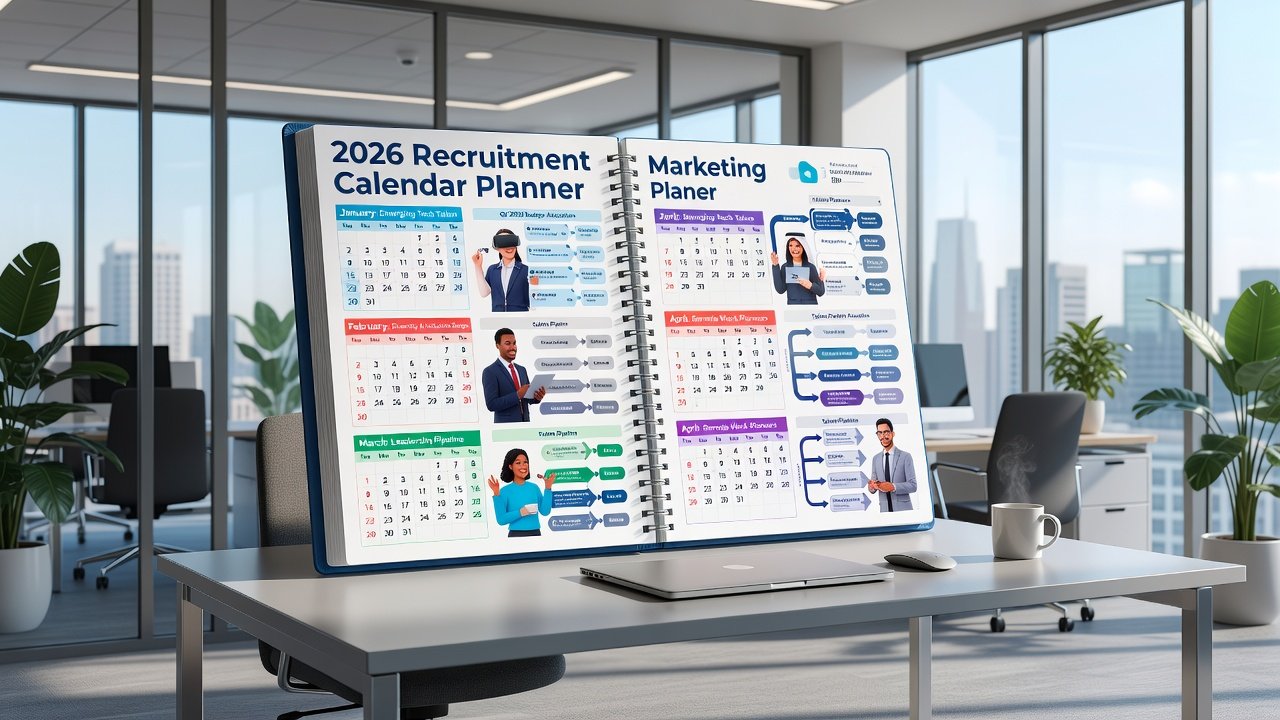
Introduction to Recruitment Marketing Calendars
In today's competitive talent landscape, reactive hiring often leads to rushed decisions and suboptimal hires. A well-structured recruitment marketing calendar enables organizations to plan proactively, ensuring consistent engagement with potential candidates throughout the year. This guide explores how to create and implement such a calendar in 2026, focusing on monthly themes, content pillars, and distribution strategies that align with business needs. Mid-size companies especially benefit because they often lack the resources of large enterprises yet face similar competition for skilled workers. By mapping out activities in advance, teams can build robust talent pipelines, reduce time-to-hire, and strengthen employer branding across industries like tech, healthcare, manufacturing, and professional services.
Proactive planning also helps organizations respond to economic fluctuations and evolving candidate expectations. For instance, with remote work options still prominent, calendars must incorporate virtual engagement tactics that resonate with passive candidates who are not actively job hunting but remain open to opportunities.
Aligning Your Calendar with Business Cycles
Effective recruitment marketing starts with understanding your organization's rhythm. Review quarterly business goals, product launches, and expansion plans to identify peak hiring periods. For example, align content around budget approvals in Q1 or summer internship drives in Q2. This synchronization prevents gaps in your talent pipeline and positions your brand as forward-thinking. Consider internal factors such as annual performance reviews or merger timelines that may increase or decrease hiring velocity. External elements like industry conferences, regulatory changes, or competitor activity should also influence timing. Companies that integrate these alignments report smoother talent acquisition processes and higher retention rates because new hires join during periods of organizational stability.
Practical Steps for Alignment
Begin by auditing the previous year's hiring data to spot patterns. Then collaborate with department heads to forecast needs for the coming quarters. Document everything in a shared project management tool so marketing and HR teams stay synchronized.
Key Content Pillars for Year-Round Engagement
Build your calendar around four core pillars: employer branding stories, skill development resources, employee testimonials, and industry insights. These pillars ensure variety while reinforcing your value proposition to candidates. In 2026, emphasize authenticity by featuring real employee journeys rather than generic stock imagery. Incorporate visuals, videos, and interactive elements to boost engagement across LinkedIn, Instagram, and your career site. Rotate themes monthly to maintain freshness and relevance. For deeper impact, tie each pillar to current labor market trends, such as upskilling in AI or hybrid work policies.
Multi-Channel Distribution Tactics
Distribute content through owned channels like email newsletters and social media, plus earned media via partnerships with universities or professional associations. Paid amplification on job boards can extend reach during slower months. Track performance with UTM parameters to refine tactics over time. SHRM offers excellent benchmarks for channel effectiveness in recruiting. Experiment with emerging platforms while maintaining strong presence on established networks. Email sequences can nurture candidates who download resources, while webinars hosted on LinkedIn Live allow real-time interaction that builds trust.
Step-by-Step Guide to Building Your Calendar
Start by gathering cross-functional input from HR, marketing, and leadership. Next, select a template format, whether spreadsheet or specialized software. Assign owners for each content type and set deadlines at least two weeks in advance. Review and iterate quarterly based on performance data. This methodical approach minimizes last-minute scrambles and ensures every month contributes to long-term pipeline health.
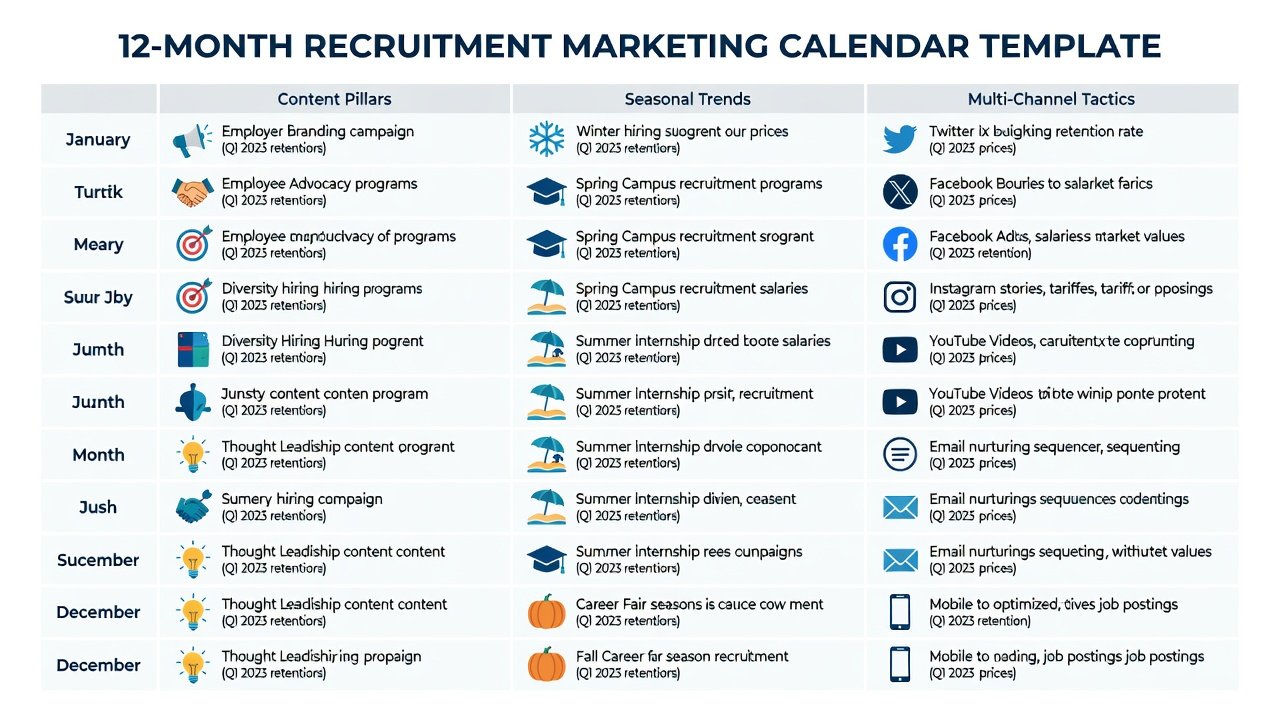
Sample 12-Month Recruitment Marketing Template
Here's a practical template adapted for 2026 with expanded monthly guidance:
- January: New Year career resolutions and skill-building webinars that help candidates envision growth within your organization
- February: Diversity and inclusion spotlights highlighting employee resource groups and inclusive policies
- March: Spring hiring campaigns tied to Q1 goals, including targeted outreach to alumni networks
- April: Employee appreciation features that showcase recognition programs and career milestones
- May: Internship and entry-level focus with campus recruitment tie-ins and mentorship spotlights
- June: Mid-year performance and growth stories demonstrating internal mobility opportunities
- July: Summer wellness and work-life balance content that appeals to candidates seeking sustainable careers
- August: Back-to-school and upskilling themes featuring learning and development investments
- September: Fall recruitment drives aligned with post-summer hiring surges in many sectors
- October: Themed engagement posts that leverage seasonal events while maintaining professional tone
- November: Gratitude and referral program highlights encouraging employee advocacy
- December: Year-end reflection and 2027 teaser content that keeps your brand top-of-mind
Adjust based on your sector. Real-world examples from mid-size tech firms show this approach reduced unfilled positions by maintaining candidate interest year-round.
Incorporating Employer Branding Assets
Integrate photos, videos, and culture decks into every month's activities. Ensure assets reflect current employee experiences to build authenticity. Update headshots and office tours quarterly to keep visuals current. Consider creating a central asset library that team members can access easily, reducing duplication of effort and maintaining brand consistency.
Tracking Engagement Metrics and Optimization
Monitor key performance indicators such as application rates, social shares, and email open rates. Use tools like Google Analytics alongside applicant tracking systems for holistic insights. Review metrics monthly and adjust themes that underperform. U.S. Department of Labor provides labor market data that can contextualize your results. Common optimization tips include A/B testing subject lines and personalizing content for different audience segments. Establish a dashboard that leadership can review to demonstrate marketing ROI on talent acquisition.
Adapting for Seasonal Trends
Factor in holidays, industry events, and economic shifts. For instance, ramp up content before major conferences or during back-to-school seasons when passive candidates are more active. In regions with distinct weather patterns, seasonal wellness or relocation messaging can differentiate your employer brand.
Real-World Examples from Mid-Size Companies
A 200-employee logistics firm implemented a similar calendar and saw a 40% increase in qualified applications by Q3. Their success came from consistent LinkedIn posting aligned with peak shipping seasons. Another example comes from a healthcare provider with 350 staff that used monthly video testimonials to humanize roles, resulting in faster fills for nursing positions during traditionally challenging summer months. These cases illustrate how tailored calendars deliver measurable pipeline improvements.
Common Mistakes to Avoid
Many organizations overload certain months while neglecting others, leading to feast-or-famine hiring. Another frequent error is failing to update content for current events or ignoring mobile optimization. Always pilot new formats with small audiences before full rollout.
FAQ: Common Setup Challenges and Tips
How do I start if my team is small? Begin with a quarterly plan and scale up. Leverage free tools for scheduling and repurpose existing assets where possible.
What if trends change mid-year? Build flexibility into the calendar with quarterly reviews and a reserve of evergreen content.
How to measure ROI? Tie content to specific hires and track cost-per-hire improvements over time. LinkedIn Talent Solutions reports often provide industry benchmarks.
Which tools work best for calendar management? Popular options include shared calendars in Google Workspace or dedicated recruiting platforms that integrate with marketing automation.
How do I handle global teams with different holidays? Create regional variants of the calendar while maintaining core global themes.
What content performs best for passive candidates? Educational resources and career path stories tend to attract those not actively searching.
Conclusion
A recruitment marketing calendar transforms hiring from reactive to strategic. By planning for 2026 with clear themes, metrics, and adaptability, your organization can attract top talent consistently and build a stronger employer brand that stands out in a crowded market.

No comments yet. Be the first!