 Jobboy

Introduction to Internal Talent Marketplaces
In 2026, organizations face rapid market shifts, technological disruptions, and evolving skill demands. Internal talent marketplaces have emerged as a strategic solution, enabling companies to match employees with projects based on skills rather than job titles. This approach enhances workforce agility by promoting internal mobility and reducing reliance on external recruitment. Unlike traditional hierarchies that lock talent into fixed roles, these platforms create fluid opportunities where employees can contribute across departments based on real-time needs.
These digital hubs allow employees to browse opportunities voluntarily while managers source talent internally with data-driven precision. By integrating skills inventories, performance data, and AI algorithms, marketplaces help organizations adapt faster than competitors still dependent on lengthy external hiring processes. The result is a more resilient workforce prepared for economic uncertainties and innovation cycles.
The Role of Skill-Based Project Matching
Traditional staffing relies on hierarchical structures and job titles, often overlooking hidden talents or adjacent skills. Skill-based matching prioritizes verified competencies, allowing employees to list expertise gained through training, side projects, or previous roles. Algorithms then connect them to short-term assignments or stretch opportunities that align precisely with business priorities.
This method accelerates project staffing and builds cross-functional expertise. For example, a global retailer implemented skill-based matching to redeploy warehouse and logistics staff during peak seasons, achieving a 40% reduction in project delays. In another case, a financial services firm matched data analysts with marketing teams for customer segmentation projects, uncovering new revenue streams without additional headcount.
Practical implementation involves creating a standardized skills taxonomy that includes both technical and soft skills. Regular updates through self-assessments and manager validations keep the system accurate and trustworthy.
Seamless Integrations with ATS and HRIS Systems
Successful marketplaces do not operate in isolation. They integrate deeply with applicant tracking systems (ATS) and human resource information systems (HRIS) to maintain a single source of truth for employee data. This ensures automatic updates when employees complete certifications, receive performance feedback, or finish training modules.
Integration benefits include reduced manual data entry, fewer errors, and real-time visibility into mobility trends. HR leaders can generate dashboards showing which skills are in high demand or which departments are successfully retaining talent through internal moves. When evaluating vendors, prioritize those offering pre-built connectors for popular platforms like Workday or Greenhouse to minimize IT overhead.
Learn more about HR technology integrations from SHRM.
AI-Driven Recommendations for Employee Mobility
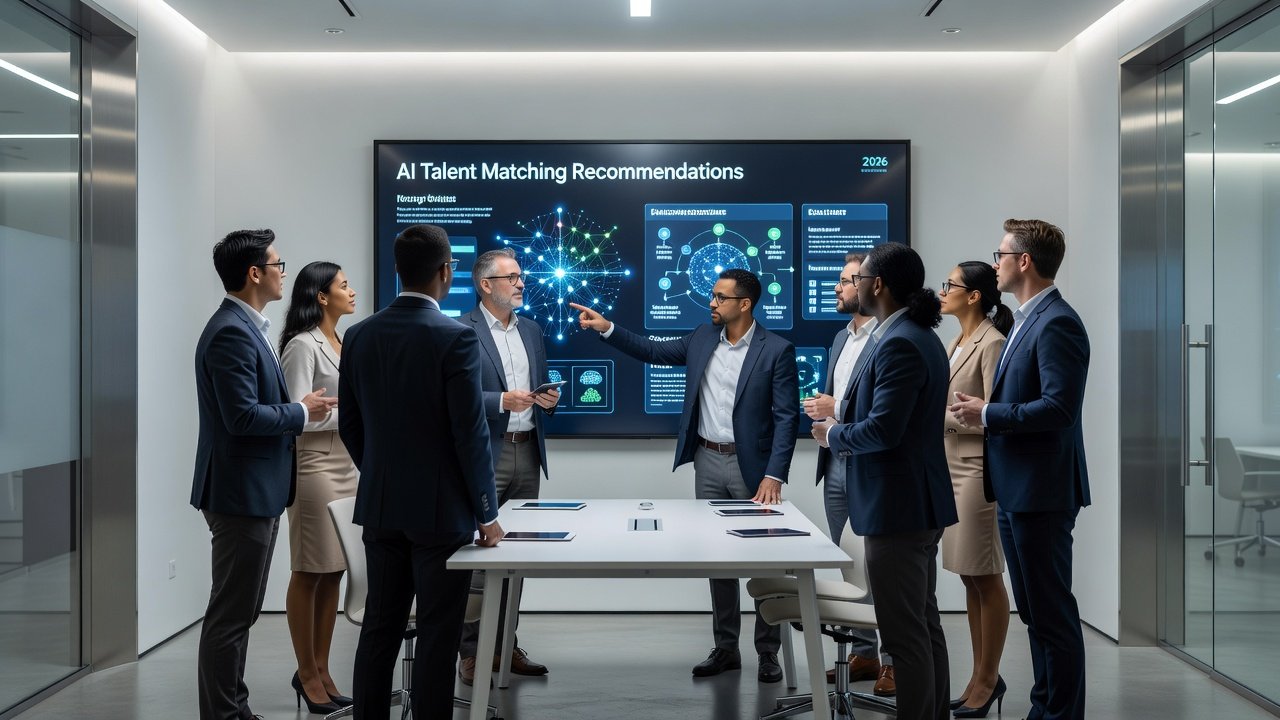
Artificial intelligence elevates marketplaces beyond simple search functions by delivering personalized recommendations. Machine learning models analyze historical performance, career aspirations, peer success patterns, and organizational skill gaps to suggest projects or roles that advance both individual growth and company objectives.
These recommendations reduce assignment bias and increase employee engagement. Workers report higher satisfaction when opportunities feel tailored rather than random. Over time, the system improves accuracy as it learns from acceptance rates and outcomes, creating a virtuous cycle of better matches.
Advanced platforms also incorporate predictive analytics to forecast future skill needs, allowing proactive upskilling recommendations before gaps widen.

Real-World Case Studies
A mid-sized manufacturing company launched an internal marketplace in early 2025 after struggling with seasonal demand fluctuations. Within six months, internal mobility rose 35%, and external hiring needs dropped by 25%. Engineers were matched to innovation sprints across production and R&D, shortening product development cycles by three weeks on average.
In healthcare, a regional hospital network used AI recommendations to redeploy clinical staff during fluctuating patient volumes. Nurses transitioned into quality improvement projects or telehealth support roles during quieter periods, boosting utilization rates and reducing burnout. The initiative also improved nurse retention by 18% compared to the prior year.
These examples highlight how marketplaces deliver measurable agility even for organizations without enterprise-level resources.
Step-by-Step Rollout Guide
- Conduct a thorough assessment of existing HR systems, skill data quality, and cultural readiness for internal mobility.
- Develop a clear skills framework with input from department heads and employees to ensure buy-in.
- Choose a platform emphasizing robust AI, mobile access, and compliance features suitable for your industry.
- Run a controlled pilot in one business unit for 8-12 weeks, tracking participation and feedback.
- Implement targeted change management including workshops, success stories, and manager incentives.
- Roll out broadly while establishing governance for opportunity posting and selection fairness.
- Continuously refine based on usage analytics and employee surveys.
Metrics for Tracking Agility Gains
Effective measurement goes beyond basic counts. Track internal mobility rate as a percentage of total roles filled, average time-to-staff for projects, and the proportion of external hires avoided. Additional indicators include employee net promoter scores related to career development and skill utilization rates across teams.
Organizations that monitor these metrics quarterly often identify patterns early, such as underused skill clusters or departments resistant to internal moves. Sharing progress with leadership reinforces the business case for continued investment.
Challenges and Solutions for Mid-Sized Companies
Change management frequently emerges as the biggest obstacle. Employees may fear favoritism in assignments, while managers worry about losing top performers. Solutions include transparent selection criteria, visible executive sponsorship, and recognition programs that reward both participants and releasing managers.
Mid-sized firms should avoid over-customization that inflates costs. Instead, leverage out-of-the-box features and partner with vendors offering dedicated onboarding support. Data privacy must be addressed upfront through clear policies and employee consent processes to maintain trust.
Common Mistakes to Avoid
- Launching without sufficient skills data, leading to poor match quality.
- Ignoring manager resistance by failing to adjust performance goals for internal mobility support.
- Over-relying on technology without complementary training and communication.
- Neglecting mobile accessibility, which limits participation from field or frontline workers.
FAQ: ROI Timelines and Tool Selection
What is the typical ROI timeline?
Most organizations observe initial returns within 6-9 months through lower recruiting costs and faster project delivery, with full strategic impact visible by 12-18 months.
How to choose the right tool?
Assess integration depth, AI recommendation accuracy, user interface simplicity, scalability, and vendor support for mid-market needs. Request industry-specific references and conduct proof-of-concept tests before committing.
Explore talent strategy insights from Harvard Business Review.
Conclusion
Internal talent marketplaces offer a powerful pathway to workforce agility in 2026. By combining skill-based matching, seamless integrations, and AI insights with thoughtful change management, HR teams can build organizations that respond swiftly to opportunities and challenges alike.
No comments yet. Be the first!