 Jobboy

Introduction to Internal Talent Marketplaces in 2026
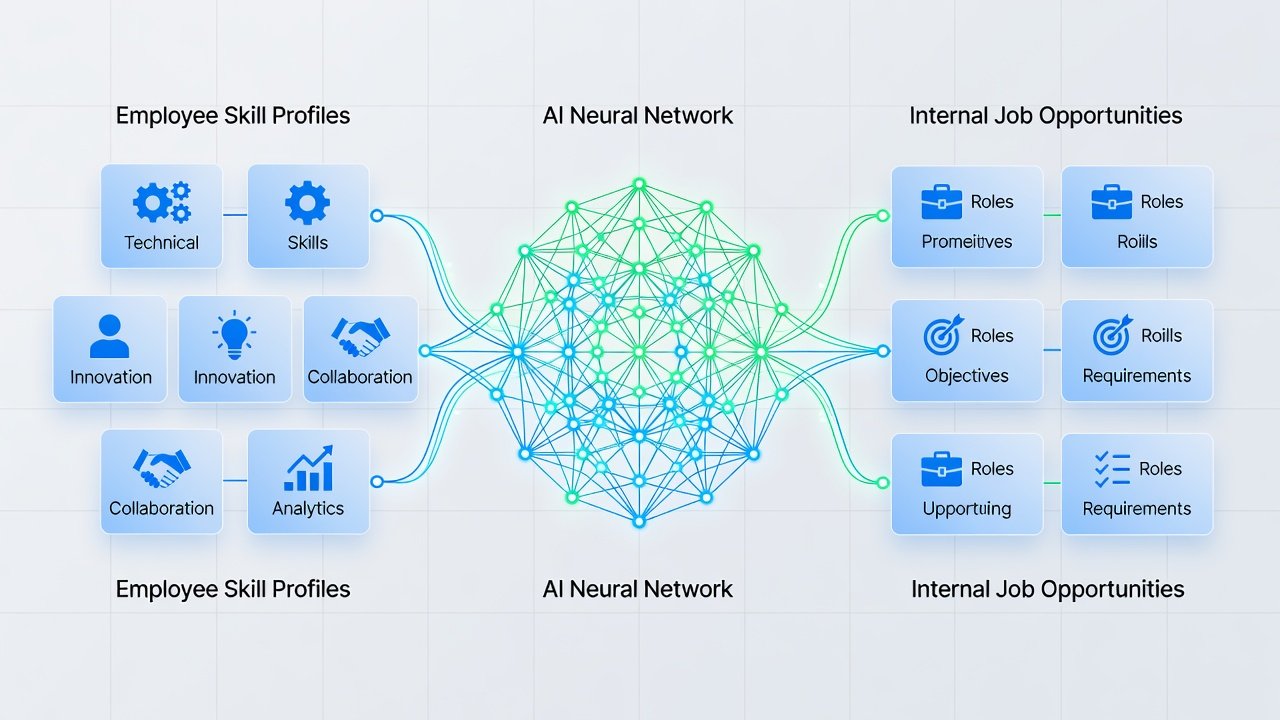
Internal talent marketplaces are transforming how organizations manage employee mobility. By 2026, AI-powered matching stands at the core of these platforms, enabling seamless connections between employee skills and internal opportunities. HR teams increasingly rely on these systems to retain top talent while fostering career development within the company. Employee mobility encompasses lateral moves, promotions, project assignments, and skill-based secondments that keep staff engaged and reduce turnover. Traditional job postings often overlook hidden skills or personal aspirations, leading to missed opportunities. AI matching addresses these shortcomings by analyzing comprehensive profiles, performance data, learning histories, and even peer endorsements to deliver highly personalized opportunity suggestions. This shift supports broader organizational goals like agility in a competitive labor market.
Key Benefits of Integrating AI Matching
AI algorithms evaluate skills beyond surface-level resumes, uncovering transferable competencies across departments. This results in higher match accuracy and significantly faster internal placements. Organizations observe improved retention rates because employees gain visibility into realistic career paths. AI also minimizes unconscious bias by prioritizing objective data points over subjective referrals. Additional advantages include accelerated upskilling through targeted learning recommendations and enhanced workforce planning as leaders access real-time talent insights. In practice, companies using these tools report stronger cross-functional collaboration and reduced time spent on external recruiting.
Platform Selection Criteria for HR Teams
Selecting the right platform requires careful evaluation of multiple factors. Prioritize AI sophistication, including natural language processing for accurate skill extraction and machine learning models that improve over time with user feedback. User experience matters greatly; intuitive interfaces encourage daily engagement from employees and managers alike. Scalability ensures the system grows with the organization without performance issues. Other criteria include customizable recommendation engines, robust reporting tools, and strong security protocols for sensitive employee data. Mid-size companies should seek vendors with proven mid-market implementations and flexible pricing structures that align with budget constraints.
Seamless ATS and HRIS Integrations
Successful deployment hinges on robust connections to existing applicant tracking systems and human resource information systems. Well-designed APIs facilitate automatic data synchronization from performance reviews, training completions, and project outcomes directly into employee profiles. This keeps recommendations current and relevant. Common challenges include data mapping inconsistencies and legacy system compatibility, which can be mitigated through phased testing and vendor support. Single sign-on capabilities and automated profile refreshes further streamline operations. SHRM emphasizes that strong integrations preserve data integrity across the entire HR technology stack.
Change Management Tactics for Widespread Adoption
Adoption success depends on visible leadership support and transparent communication strategies. Executives should frame the marketplace as a tool for empowerment rather than surveillance. Manager training programs help leaders guide team members through opportunity exploration. Internal ambassadors can share personal success stories during town halls to build enthusiasm. Privacy concerns require clear explanations of data handling practices and opt-in features. Regular feedback loops, such as surveys and focus groups, allow continuous refinement of the rollout approach and address resistance early.
Step-by-Step Implementation Guidance
- Begin with a thorough audit of existing talent data quality, identifying incomplete profiles and missing skill taxonomies that need standardization.
- Engage cross-functional stakeholders including HR, IT, and department heads to define success metrics and customize the platform to organizational needs.
- Execute integrations with ATS and HRIS using sandbox environments to validate data flows before going live.
- Launch a controlled pilot in one business unit, collecting quantitative usage data and qualitative employee feedback to iterate on matching algorithms.
- Expand company-wide with comprehensive training modules, quick-reference guides, and dedicated helpdesk support during the initial weeks.
- Establish ongoing governance processes, including quarterly AI model reviews and updates based on mobility outcomes and user behavior patterns.
Real-World Case Examples from Mid-Size Companies
A 450-employee software development firm introduced an AI-driven marketplace and achieved a 35 percent increase in internal mobility within the first six months. Employees discovered project opportunities that aligned with emerging technical skills, leading to faster skill development and higher satisfaction scores. In another example, a 600-employee regional healthcare provider used the system to identify internal candidates for specialized roles, cutting external hiring expenses while improving retention among nursing and administrative staff. A third case involved a manufacturing company with 800 employees that integrated learning pathways into the marketplace, resulting in measurable gains in cross-departmental knowledge sharing.
Key Metrics for Tracking ROI
Measure internal mobility rate as the percentage of roles filled internally versus externally. Track average time-to-fill for open positions and monitor engagement metrics such as profile update frequency and opportunity application rates. Retention among frequent users serves as a leading indicator of program impact. Calculate cost savings by comparing reduced turnover expenses and recruiting fees against platform investment. Review these indicators on a quarterly basis and correlate them with business outcomes like productivity improvements. Gartner research underscores the value of linking talent mobility data to overall workforce performance.
Common Pitfalls and Employee Engagement Strategies
One frequent challenge involves incomplete skill inventories that produce inaccurate matches; counter this by prompting regular self-assessments and manager validations. Low participation often stems from lack of awareness, which can be overcome through targeted campaigns in team meetings and integration with performance review cycles. Over-reliance on AI without human oversight may erode trust, so pair algorithmic suggestions with mentoring conversations. Another pitfall is failing to address career pathing for non-traditional roles; expand taxonomies to include gig-style projects and emerging competencies. Sustained engagement improves when the platform highlights success stories and offers recognition for internal moves.
Actionable Checklists for Scaling These Systems
- Conduct quarterly profile audits to ensure skills and career interests remain up to date across the workforce.
- Review AI recommendation accuracy monthly using feedback scores and adjust weighting factors accordingly.
- Equip managers with real-time dashboards that highlight team mobility trends and development needs.
- Align marketplace activity with formal performance objectives during annual review processes.
- Schedule annual platform evaluations to incorporate new features supporting long-term career pathing and succession planning.
- Develop communication calendars that promote the tool consistently through multiple internal channels.
FAQs on Scaling These Systems for Long-Term Career Pathing Success
How long does a typical full-scale implementation take for mid-size organizations?
Most companies complete the process in three to six months when integrations and data preparation receive early attention from dedicated project teams.
What privacy and compliance measures should be prioritized?
Implement role-based access controls, obtain explicit consent for profile visibility, and ensure alignment with data protection regulations such as GDPR or CCPA.
How can organizations measure long-term impact on career progression?
Track promotion rates, skill acquisition milestones, and employee-reported career satisfaction surveys over multiple years to demonstrate sustained value.
What role does manager involvement play in successful adoption?
Managers act as key influencers by discussing marketplace opportunities during one-on-ones and supporting employees in pursuing internal moves without penalty.
For additional guidance on talent management practices, consult resources available at Harvard Business Review.

No comments yet. Be the first!