 Jobboy

Introduction to Gen Z Recruiting in 2026
Gen Z, born between 1997 and 2012, now represents a dominant force in the workforce. Companies seeking to win top talent must adapt to their unique priorities, which include purpose-driven careers, strong mental health support, and authentic employer branding. Traditional recruiting methods often fall short, making it essential to embrace modern approaches like social-first outreach and transparent communication. This comprehensive guide covers practical strategies, real-world examples, and measurement tactics to build a competitive edge in 2026. Understanding these shifts allows organizations to move beyond generic job ads and create experiences that resonate with a generation that values impact and flexibility above all else.
Understanding Gen Z Priorities
Gen Z candidates value more than salary. They seek roles aligned with social impact, flexibility, and well-being. Surveys show they prioritize mental health resources and inclusive cultures over rigid hierarchies. Employers who highlight these elements in job postings see higher application rates. For instance, emphasizing volunteer programs or sustainability initiatives resonates deeply with this demographic. Their formative years during economic uncertainty and global events have shaped expectations around stability combined with meaningful contribution.
Key Values Driving Decisions
- Purpose-driven work that contributes to societal good
- Robust mental health support and work-life balance
- Opportunities for rapid skill development and feedback
- Diversity, equity, and inclusion commitments
- Transparent career progression paths and regular recognition
Compared to Millennials, Gen Z demands even greater authenticity and avoids performative corporate messaging. They research companies extensively before applying, often checking employee reviews and social channels for consistency between stated values and daily realities. Organizations that invest in genuine wellness programs, such as subsidized therapy sessions or flexible mental health days, report stronger attraction rates.
Leveraging Platforms Like TikTok and Instagram
Social media has transformed talent acquisition. Platforms such as TikTok and Instagram allow direct, engaging outreach that feels native to Gen Z users. Recruiters post behind-the-scenes content, employee stories, and quick tips to build brand awareness. These channels enable real-time interaction, allowing candidates to ask questions directly and see company culture in motion rather than through polished corporate websites.
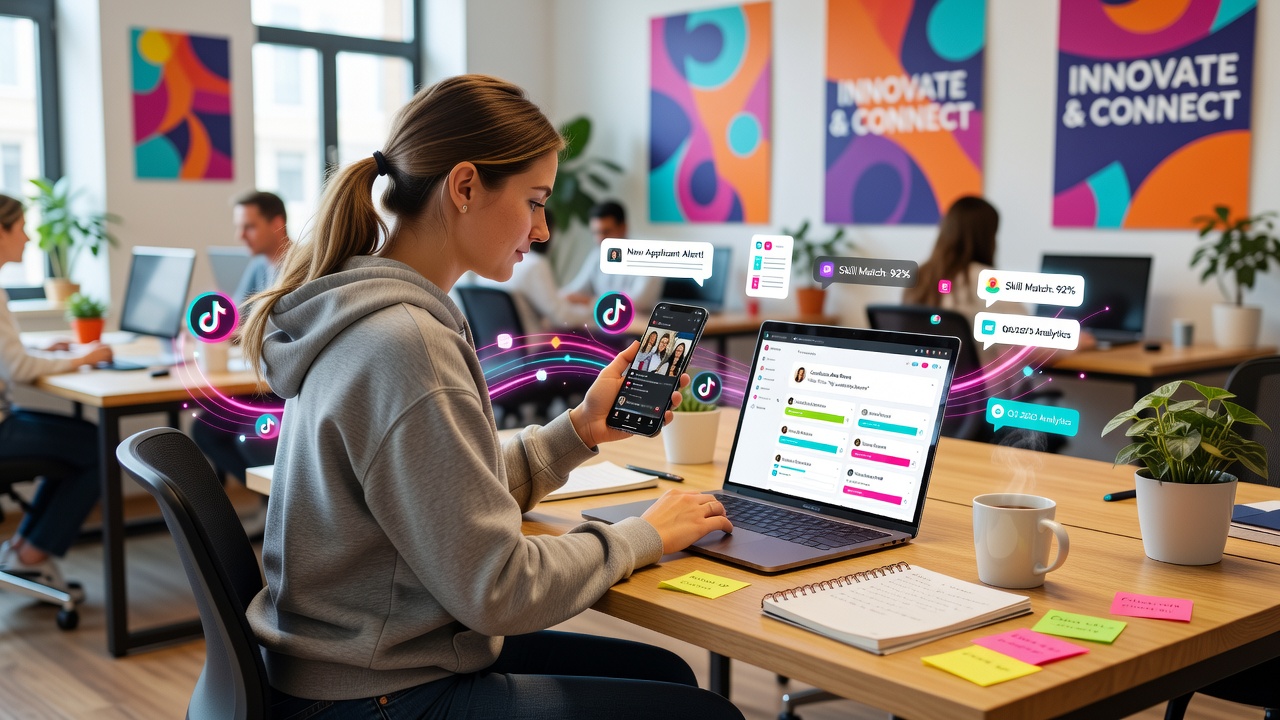
Successful campaigns feature short-form videos showcasing company culture. For example, brands that share day-in-the-life reels attract passive candidates who might not browse traditional job boards. Video content performs particularly well when it highlights everyday moments like team brainstorming sessions or flexible remote setups instead of scripted promotions.
Practical Steps for Social Outreach
- Create dedicated recruiter accounts with consistent posting schedules of three to five times weekly
- Use trending sounds and hashtags relevant to career topics while maintaining brand voice
- Collaborate with employee influencers for authentic testimonials that feel organic
- Run targeted ads highlighting flexible work policies and purpose initiatives
- Monitor comments and respond within hours to build community trust
- Analyze platform analytics to refine content based on engagement patterns
These tactics outperform static LinkedIn posts by fostering two-way engagement and allowing recruiters to humanize the application journey from the first interaction.
Crafting Authentic Employer Messaging
Authenticity builds trust. Gen Z quickly detects inauthentic claims, so messaging must reflect real employee experiences. Share unscripted stories and data on diversity metrics or retention rates. Companies like Patagonia and Google have succeeded by aligning external campaigns with internal practices, such as SHRM resources on inclusive hiring. Effective messaging includes employee-generated content, town-hall style videos, and honest discussions about challenges the organization is actively addressing rather than presenting a flawless facade.
Optimizing Job Postings and Interview Processes
Job postings should use conversational language and mobile-friendly formats. Include salary ranges where possible and detail growth paths. Streamline interviews with virtual options and structured feedback loops to respect candidates' time. Avoid lengthy processes; Gen Z prefers quick decisions and clear next steps. Begin by auditing current postings for inclusive language, removing unnecessary requirements, and incorporating keywords that match how Gen Z searches for opportunities on mobile devices.
Checklist for Modern Job Postings
- Start with a compelling, benefit-focused headline
- Describe daily responsibilities in relatable terms
- Highlight impact metrics and team achievements
- Offer clear details on hybrid or remote flexibility
- End with a call to action that invites questions via social channels
Interview processes benefit from adding elements like peer conversations with current Gen Z employees and providing take-home assignments that demonstrate real work rather than abstract tests. This approach reduces drop-off rates and improves the quality of accepted offers.
Real-World Examples from Successful Companies
Tech firms like Salesforce use Instagram Lives to host Q&A sessions with Gen Z employees. Retail giant Target runs TikTok challenges that highlight career progression. Unilever has implemented purpose-focused campaigns on TikTok that showcase sustainability projects, resulting in increased applications from candidates aligned with their values. Microsoft similarly emphasizes mental health resources through employee spotlights on Instagram, demonstrating how these strategies translate into measurable improvements in talent pipelines compared to older methods.
Comparing Traditional vs. Modern Recruiting
Traditional approaches rely on career fairs and resume screening, which can feel impersonal. Modern strategies emphasize personalization and speed. Data from sources like World Economic Forum indicates digital-native methods reduce time-to-hire by up to 40% while improving candidate satisfaction. Traditional methods still offer value for relationship building in certain industries, but they achieve better results when combined with social listening and targeted digital ads that meet candidates where they already spend time.
Measuring Engagement and Retention Outcomes
Track metrics such as application completion rates, social engagement levels, and 90-day retention. Tools like applicant tracking systems integrated with analytics help quantify success. Regular pulse surveys reveal whether new hires feel aligned with company purpose. Additional KPIs include time spent on career page content, video completion rates, and referral rates from social platforms. Organizations that review these metrics monthly can iterate quickly, adjusting messaging or platform focus based on what drives the strongest long-term retention rather than short-term application volume.
FAQ: Addressing Common Challenges
How do I handle salary transparency demands?
Be upfront in postings and prepare data-backed explanations for ranges to build immediate credibility with informed candidates.
What if engagement on social platforms is low?
Experiment with formats and partner with micro-influencers while analyzing audience insights weekly to identify high-performing content themes.
Can traditional methods still work?
Yes, but they must integrate with digital tactics for hybrid success in 2026 rather than operating in isolation.
How should companies address mental health concerns during recruitment?
Share specific policies and employee stories early in the process while ensuring internal support structures match external promises.
What role does diversity play in Gen Z decision-making?
Visible representation across leadership and teams strongly influences application rates, making diverse hiring panels and inclusive imagery essential components of any campaign.
By implementing these Gen Z recruiting strategies, organizations position themselves as employers of choice in a competitive landscape where talent expectations continue to evolve rapidly.


No comments yet. Be the first!