 Jobboy
Introduction to AI in Talent Acquisition
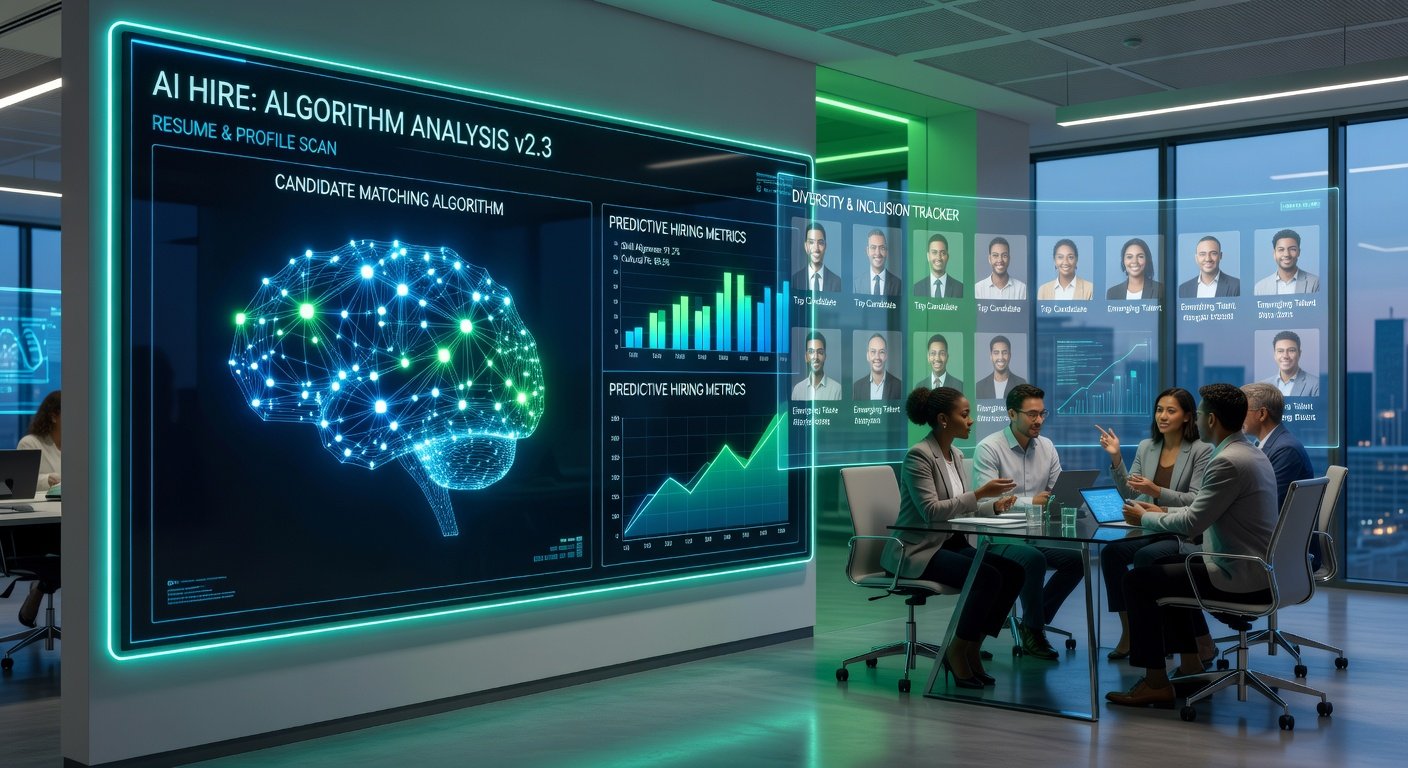
In the fast-paced world of 2026, talent acquisition has evolved dramatically thanks to artificial intelligence. Recruiters are no longer sifting through endless resumes manually; instead, AI tools streamline processes, predict candidate success, and even boost employer branding. This article dives into the latest AI innovations transforming hiring, offering practical steps for implementation, and sharing real-world tips to help your team stay competitive.
From automated screening to predictive analytics, these tools not only save time but also improve hire quality and retention. As companies face a talent shortage, leveraging AI is essential for attracting top performers while enhancing your brand's appeal.
Key AI Tools Reshaping Talent Acquisition
AI is at the forefront of recruitment innovation in 2026. Here's a look at the most impactful tools:
Automated Resume Screening
Tools like advanced natural language processing (NLP) systems scan resumes in seconds, matching skills and experiences to job requirements with pinpoint accuracy. Platforms such as Eightfold AI or HireVue use machine learning to rank candidates, reducing bias and time-to-hire by up to 75%.
These systems analyze not just keywords but contextual relevance, identifying soft skills from cover letters and even social media profiles. For instance, they can flag candidates with proven leadership in dynamic environments, ensuring a better fit from the start.
Predictive Hiring Models
Predictive analytics take recruitment to the next level by forecasting candidate performance. Using historical data, AI models from companies like LinkedIn predict turnover risks and success probabilities. In 2026, these tools integrate with applicant tracking systems (ATS) to score applicants based on factors like cultural fit and long-term potential.
Imagine hiring someone who's not only skilled but likely to thrive in your organization—predictive models make this possible by analyzing patterns from past hires. This approach has led to a 30% increase in retention rates for forward-thinking firms.
Enhancing Employer Branding with AI
AI isn't just about finding talent; it's about making your company irresistible. Chatbots and virtual assistants on career sites engage candidates 24/7, answering queries and personalizing experiences. Tools like Paradox or Mya Systems create interactive job postings that adapt to user inputs, showcasing your brand's values dynamically.
Moreover, AI-driven content generators craft compelling employer stories for social media, amplifying reach. This personalization boosts application rates by 40%, turning passive job seekers into active applicants.
Practical Implementation Steps for Recruiters
Adopting AI tools requires a strategic approach. Follow these steps to integrate them seamlessly into your workflow:
- Assess Your Needs: Start by evaluating current pain points in your hiring process. Conduct an audit of your ATS and identify bottlenecks, such as manual screening or high dropout rates during onboarding.
- Select the Right Tools: Research platforms compatible with your existing systems. For resume screening, opt for user-friendly options with strong data privacy features. Ensure they comply with regulations like GDPR.
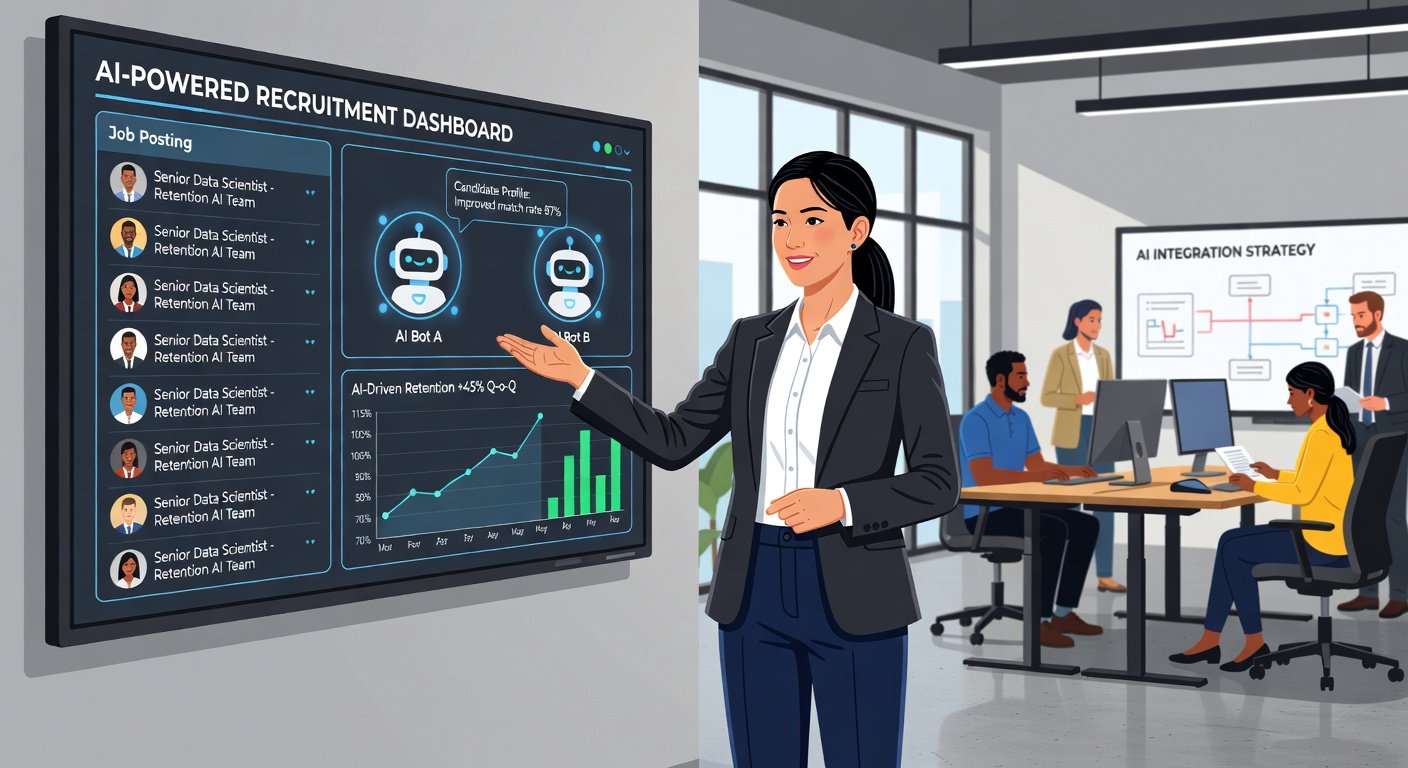
- Integrate with Job Postings: Embed AI into your job boards. Use dynamic posting tools that optimize descriptions for SEO and AI matching. For example, incorporate skill-based keywords generated by AI to attract precise candidates. Link your postings to AI chatbots for instant engagement, improving response times.
- Train Your Team: Provide hands-on training for recruiters. Focus on interpreting AI insights rather than relying solely on algorithms. Workshops can cover ethical AI use to maintain human oversight.
- Onboard for Retention: Extend AI into onboarding with personalized plans. Tools like Workday or BambooHR use AI to assign mentors and track engagement, reducing early turnover. Monitor progress with predictive dashboards to intervene early.
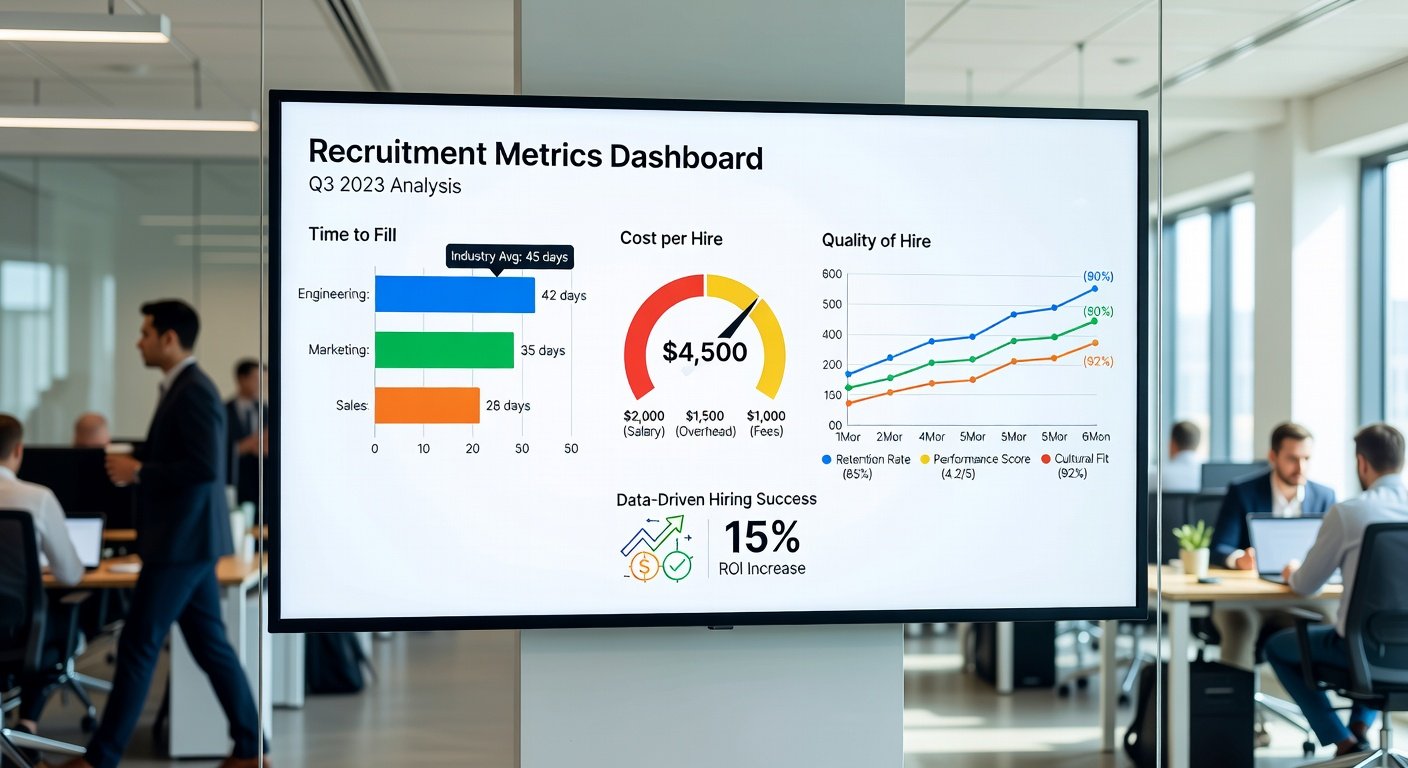
- Measure and Iterate: Track metrics like time-to-hire and quality-of-hire. Use A/B testing to refine AI models based on real feedback.
By following these steps, recruiters can achieve a 50% faster hiring cycle while fostering a data-driven culture.
Real-World HR Tips and ROI Examples
To maximize AI's potential, HR professionals share these battle-tested tips:
- Combine AI with Human Judgment: AI excels at scale, but humans add nuance. Always review top candidates personally to catch intangible qualities.
- Prioritize Diversity: Configure tools to minimize bias by training on diverse datasets. Regularly audit algorithms for fairness.
- Leverage Data Privacy: With increasing regulations, choose tools that anonymize data during screening. This builds trust with candidates.
- Personalize Candidate Journeys: Use AI to send tailored communications, from interview invites to feedback, enhancing the overall experience.
Real-world ROI speaks volumes. A SHRM case study highlights how a mid-sized tech firm implemented predictive hiring, cutting recruitment costs by 25% and boosting retention by 35% within a year. Another example from Gartner reports that companies using AI for employer branding saw a 20% uplift in top-talent applications.
Consider a global retailer that integrated AI chatbots into job postings. They reported a ROI of 4:1, with every dollar invested yielding four in savings from reduced manual efforts and higher-quality hires. These examples underscore AI's tangible benefits in competitive markets.
Challenges and Future Outlook
While powerful, AI adoption isn't without hurdles. Data quality issues can skew results, so invest in clean, comprehensive datasets. Ethical concerns around bias require ongoing vigilance—partner with experts to ensure equitable practices.
Looking ahead to late 2026 and beyond, expect deeper integrations with VR for virtual interviews and blockchain for credential verification. AI will continue to democratize talent acquisition, making it accessible for small businesses too.
In conclusion, embracing AI tools in 2026 isn't optional—it's a game-changer for talent acquisition. By implementing these strategies, recruiters can not only fill roles faster but also build lasting employee loyalty. Stay ahead by experimenting with these technologies today.

No comments yet. Be the first!