 Jobboy

Introduction to Zigzag Careers
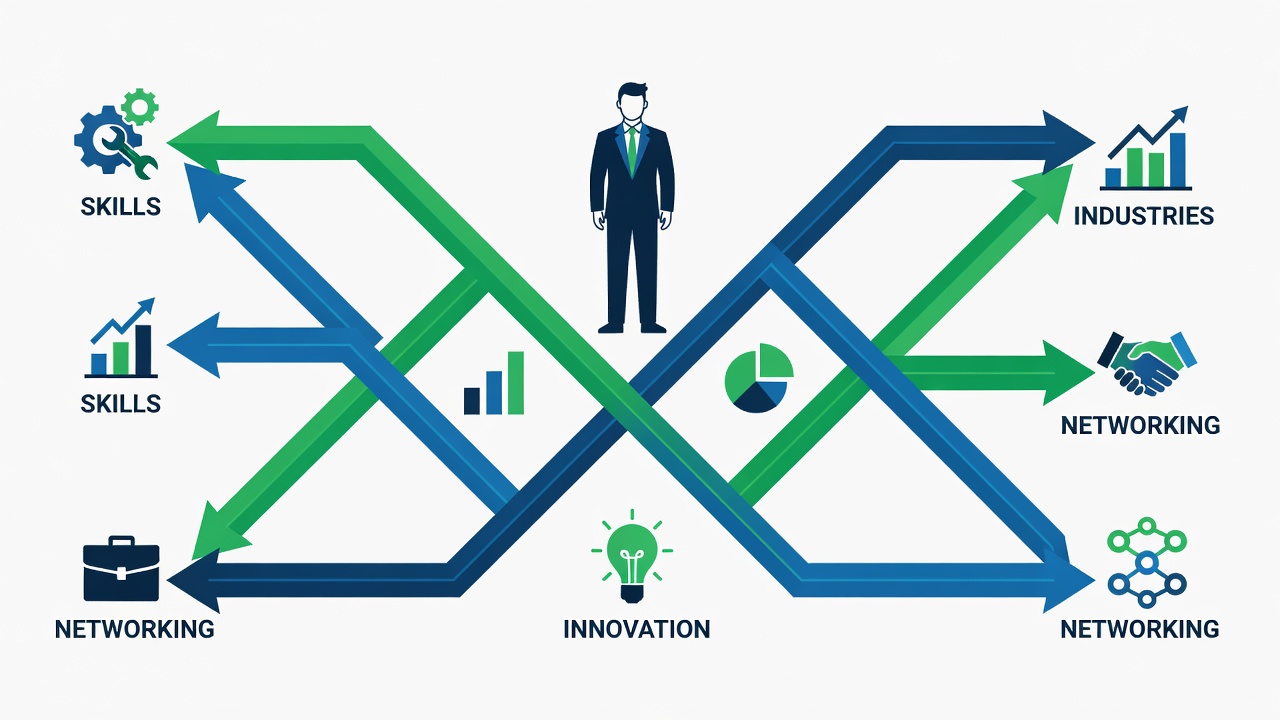
In 2026, professionals are increasingly rejecting the traditional ladder-climbing model in favor of zigzag careers that emphasize lateral moves, industry shifts, and continuous learning. This non-linear approach allows individuals to build diverse skill sets while adapting to evolving job markets. Zigzag careers prioritize strategic pivots over steady promotions within a single company or field. Many workers now view career development as a series of interconnected experiences rather than a straight line. This shift reflects broader economic changes, including rapid technological advancements and the rise of remote opportunities across sectors like technology, healthcare, and sustainability.
The concept of zigzag careers encourages intentional exploration. Instead of remaining in one role for decades, professionals actively seek out new challenges that align with personal growth and market demands. This model has gained traction as industries evolve faster than ever before, making specialization in a single track less reliable for long-term success.
Benefits of Non-Linear Career Trajectories
Embracing non-linear growth offers several advantages that extend beyond immediate job satisfaction. First, it fosters resilience by exposing professionals to varied challenges and environments, building mental agility that proves invaluable during economic shifts. Second, it accelerates skill acquisition through cross-industry exposure, allowing individuals to combine knowledge from multiple fields into unique value propositions. Third, it often leads to higher long-term satisfaction as individuals align work with evolving personal interests and values.
Role pivots across industries enable workers to leverage transferable skills like project management, data analysis, or stakeholder communication in entirely new contexts. Real-world examples demonstrate that professionals who zigzag frequently report greater adaptability during downturns and higher rates of innovation in their work. Additionally, non-linear paths can open doors to leadership roles that value breadth of experience over narrow expertise.
- Enhanced creativity from blending perspectives across domains.
- Stronger professional networks spanning multiple industries.
- Reduced burnout through periodic fresh starts and new learning curves.
- Improved marketability in a gig-influenced economy.
Linear vs Non-Linear Advancement: A Comparison
Traditional linear careers follow a predictable path: entry-level role, steady promotions, and specialization within one domain. In contrast, non-linear paths involve deliberate detours such as switching sectors, taking freelance assignments, or pursuing sabbaticals for education. Linear paths offer stability but risk stagnation if industries decline or roles become automated. Non-linear paths provide broader networks and innovation exposure but require proactive planning and comfort with uncertainty.
Promotion timelines in linear models often average two to three years per step within the same organization. Zigzag routes may accelerate expertise through varied experiences, though they sometimes delay conventional title advancements. The choice ultimately depends on individual risk tolerance, financial preparedness, and prevailing market conditions in 2026.
Real-World Case Studies of Successful Professionals
Consider Sarah Chen, who began in marketing at a tech startup before pivoting to product management in healthcare. Her zigzag journey included a brief stint in education technology, allowing her to combine skills in user experience design with regulatory compliance knowledge. Today she leads cross-functional teams at a major firm, crediting her diverse background for her ability to anticipate user needs across regulated environments.
Another example is Marcus Rivera, who transitioned from mechanical engineering to sustainability consulting after earning targeted certifications in environmental policy and supply chain ethics. His path demonstrates how deliberate upskilling supports meaningful industry shifts while maintaining core technical competencies. A third case involves Priya Patel, who moved from corporate finance into nonprofit impact measurement, using data storytelling skills honed in banking to drive funding decisions in global development organizations.
Practical Steps to Map Your Zigzag Career Plan
Start by conducting a thorough audit of your current skills, strengths, and gaps using self-assessment tools or feedback from mentors. Next, research target industries thoroughly, drawing data from authoritative sources such as BLS.gov to understand growth projections and required competencies. Set short-term goals such as completing one relevant online course or certification per quarter while maintaining your current role.
Build a five-year roadmap that incorporates two to three intentional pivots, complete with milestones for skill acquisition and networking. Track progress through quarterly reviews and adjust based on performance feedback and market trends. Incorporate regular reflection periods to ensure each move aligns with both professional objectives and personal fulfillment.
Risk Assessment for Career Pivots
Evaluate financial buffers before major transitions, aiming to maintain at least six to twelve months of living expenses in reserve. Assess market demand in prospective fields through informational interviews and analysis of job postings. Mitigate risks by preserving core competencies while gradually exploring adjacent roles through side projects or part-time commitments. Consider creating contingency plans that include returning to previous industries if needed.
Skill Transfer Techniques
Identify overlapping abilities such as leadership, analytical thinking, or client relations that apply across sectors. Use structured frameworks like the STAR method to articulate these experiences effectively in resumes and interviews. Practice reframing past projects to highlight relevance in new domains, for instance translating software development achievements into process improvement successes in manufacturing or healthcare settings.
Networking Tips Tailored to Diverse Paths
Join industry-agnostic communities and professional groups on platforms like LinkedIn to connect with peers across sectors. Attend cross-sector conferences and volunteer for projects that sit outside your immediate comfort zone. Maintain active relationships with former colleagues from multiple fields, as these connections frequently uncover unadvertised opportunities and provide valuable insights into emerging trends. Consider informational coffee chats or virtual panels as low-pressure ways to explore new areas without immediate commitment.
FAQ: Common Concerns About Zigzag Careers
How do I maintain income stability during pivots?
Build multiple income streams through freelance work, consulting, or part-time roles that complement your primary position. Negotiate flexible arrangements such as reduced hours or remote options with current employers during transition periods. Many professionals successfully use contract assignments as bridges between full-time roles while preserving financial security.
What about promotion timelines?
Non-linear paths may delay traditional title advancements within a single organization but often yield faster overall career progression through expanded expertise, visibility, and access to diverse opportunities. Track achievements across roles to demonstrate cumulative impact during future evaluations.
Is upskilling expensive or time-consuming?
Focus initially on free or low-cost resources such as webinars, open online courses, and mentorship programs before investing in premium certifications. Many high-impact learning opportunities require only a few hours per week and can be integrated into existing schedules without significant disruption.
Conclusion
Zigzag careers represent a powerful strategy for professional growth in 2026. By combining deliberate pivots, effective skill transfers, and robust cross-industry networks, professionals can achieve sustainable success that extends well beyond conventional career ladders. Begin mapping your personalized path today with small, intentional steps that build momentum over time.


No comments yet. Be the first!