 Jobboy

Introduction: Why Personal Branding Matters More Than Ever in 2026
In today's competitive job market, mid-career professionals face intense pressure to differentiate themselves for promotions. Personal branding is no longer optional—it is a strategic driver of professional development that integrates seamlessly with upskilling and long-term career planning. A strong personal brand signals expertise, builds trust with decision-makers, and positions you as the obvious choice when advancement opportunities arise. In 2026, with rapid technological changes and hybrid work environments reshaping industries, standing out requires intentional effort beyond traditional performance reviews. Professionals who cultivate their brand see higher visibility, more mentorship opportunities, and faster paths to leadership roles. This guide delivers a complete blueprint with six actionable steps designed specifically for 2026's landscape, emphasizing how branding complements continuous learning and strategic career moves.
Step 1: Conduct a Thorough Self-Audit
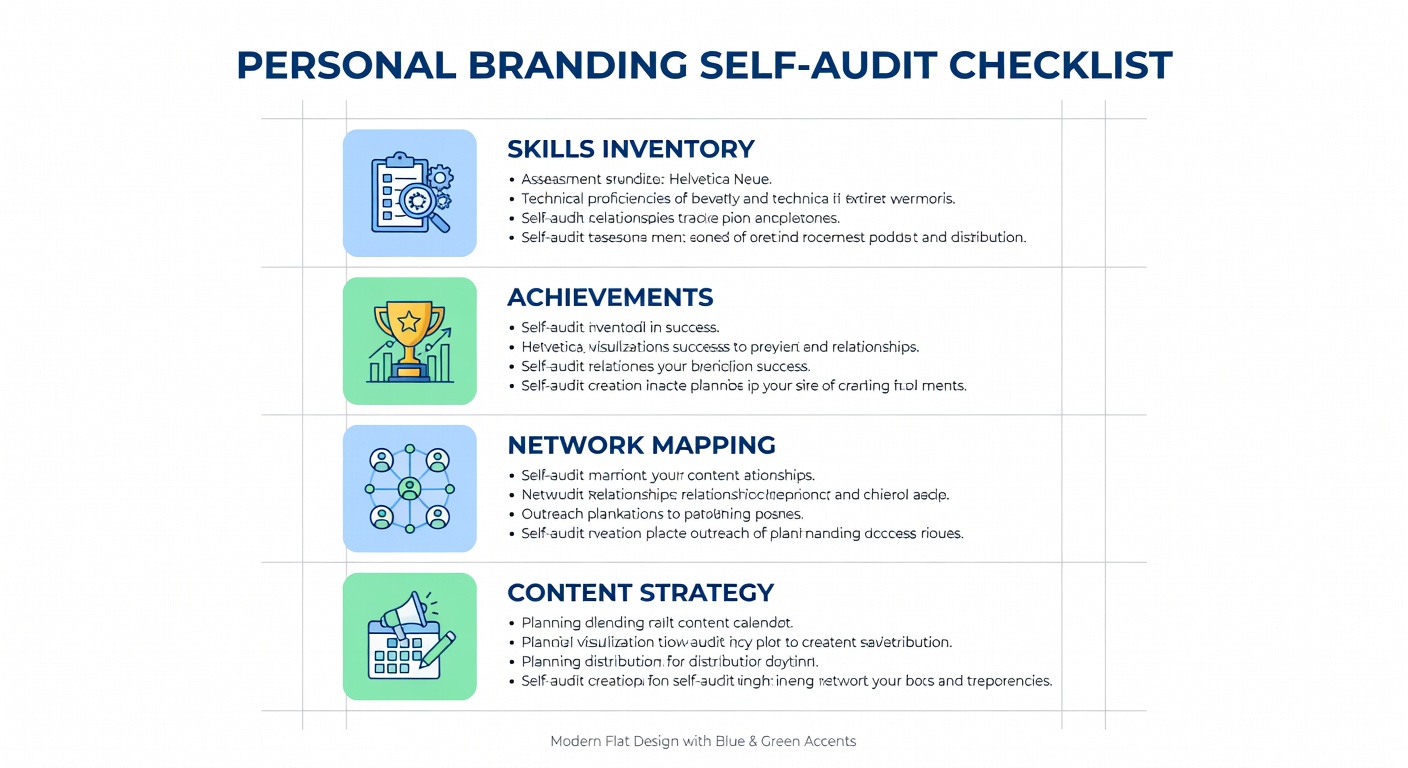
Begin by evaluating your current professional presence. Review your past achievements, skills, and online footprint. Identify gaps between where you are and where you want to be. Document quantifiable accomplishments such as revenue generated, projects led, or team efficiencies improved. Solicit feedback from trusted colleagues through informal surveys or one-on-one conversations to gain objective insights. Integrate this audit with your upskilling plan by noting areas where new certifications or courses could strengthen your profile. For example, a mid-level manager might discover their LinkedIn lacks recent project highlights while their technical skills need updating through online platforms. This foundational step prevents generic branding and ensures authenticity that resonates with promotion committees.
Step 2: Define Your Unique Value Proposition
Your unique value proposition (UVP) is the foundation of your brand. Articulate what makes you stand out—combining technical expertise, leadership style, and results. Align this UVP with your company's 2026 strategic goals to demonstrate clear alignment with promotion criteria. Write a concise statement that highlights your problem-solving approach and measurable impacts. Test it by sharing with mentors and refining based on feedback. When paired with upskilling, such as completing a leadership program, your UVP becomes more compelling. A finance professional might emphasize data-driven decision making combined with cross-functional collaboration skills honed through recent courses, making them ideal for senior roles amid economic uncertainty.
Step 3: Optimize LinkedIn Visuals and Posts
Update your LinkedIn profile with a professional headshot, compelling banner, and keyword-rich summary. Post consistently with a mix of industry insights and personal achievements. This optimization increases visibility among recruiters and senior leaders. Use high-quality visuals that reflect your industry and add a custom banner featuring subtle branding elements like your UVP keywords. Schedule posts during peak engagement times and include calls to action in comments. For mid-career growth, optimize for internal searches by incorporating company-specific terms. This step directly supports career planning by attracting opportunities that align with your promotion timeline.
Step 4: Create and Execute Content Pillars
Develop three to four content pillars that showcase your expertise. Examples include leadership lessons, industry trend analysis, and skill development journeys. Schedule regular posts across platforms to maintain momentum and attract engagement from target audiences. Each pillar should tie back to your UVP and include practical examples from your work. Incorporate upskilling by sharing insights from recent courses or certifications. A project manager could create pillars around agile methodologies, remote team leadership, and emerging AI tools, posting weekly to build authority. This consistent output positions you as a thought leader ready for expanded responsibilities.
Step 5: Engage in Targeted Networking
Move beyond generic connections. Identify and engage with influencers, mentors, and decision-makers in your industry. Attend virtual events and contribute thoughtfully to discussions. This targeted approach accelerates relationship-building that directly supports promotion opportunities. Schedule informational interviews quarterly and follow up with personalized messages referencing shared interests. Combine networking with upskilling by joining professional groups focused on new skills. For instance, participating in webinars on 2026 trends can lead to connections with executives who value proactive learners, opening doors to internal advocacy for your advancement.
Step 6: Measure Impact with Key Metrics
Track profile views, engagement rates, and inbound opportunities. Use analytics tools to refine your strategy quarterly. Professionals who measure and iterate see compounding results in visibility and career advancement. Set specific goals such as increasing profile views by 30% or securing two mentor conversations per month. Review data alongside your career plan to adjust branding tactics. This measurement ensures branding efforts contribute to holistic growth rather than isolated activities.
Case Studies: Executives Who Advanced Through Branding
Consider the example of a marketing director who transformed her LinkedIn presence and content strategy, resulting in a VP promotion within 18 months. She began with a self-audit revealing weak online visibility, then defined a UVP around data storytelling. By creating content pillars on digital trends and engaging in targeted networking at industry conferences, she attracted attention from C-suite leaders. Her integration of upskilling through a digital marketing certification further strengthened her case. Another case involves a tech leader who used targeted networking and thought leadership to secure a C-suite role. He measured engagement metrics rigorously, adjusting posts based on what resonated, and combined branding with leadership training programs. These stories illustrate how consistent branding efforts translate into tangible career growth when aligned with skill development.
Free vs. Paid Tools Comparison
Selecting the right tools enhances efficiency without unnecessary expense. Free options like basic LinkedIn features, Canva for visuals, and Google Analytics for tracking provide solid starting points for most professionals. They allow beginners to test strategies and build habits before investing. Paid tools such as advanced scheduling software and detailed analytics suites offer deeper insights, automation, and customization that scale with growing audiences. Evaluate based on your specific needs and current career stage—start free to master fundamentals, then upgrade if metrics show the need for more sophisticated tracking. This comparison helps mid-career professionals allocate resources wisely while focusing on high-impact activities like content creation and networking.
Self-Assessment Checklist
- Have I completed a full skills and achievement inventory tied to my upskilling goals?
- Is my LinkedIn profile fully optimized with recent updates and visuals?
- Do I have defined content pillars aligned with my UVP and company objectives?
- Am I actively measuring engagement metrics monthly and adjusting accordingly?
- Have I integrated branding efforts with my overall career planning and networking strategy?
- Am I consistently engaging in targeted professional communities?
FAQs: Overcoming Imposter Syndrome in Personal Branding
How do I start if I feel like an imposter? Begin with small, consistent actions such as updating your profile and sharing one insight per week. Confidence grows through practice and positive feedback loops from your network.
Should I share personal stories? Yes, when they demonstrate professional lessons and authenticity that resonates with your audience and humanizes your expertise.
What if my industry is conservative? Focus on subtle branding through professional achievements and thoughtful commentary rather than flashy posts, always aligning with company culture.
Conclusion
Implementing this personal branding blueprint positions you for sustained success in 2026. Combine these steps with ongoing upskilling and deliberate career planning to maximize your promotion potential. Start today by completing your self-audit and watch your professional trajectory accelerate through increased visibility and strategic relationships. The holistic approach ensures branding supports not just immediate promotions but long-term growth and fulfillment in your career.
For further reading on professional networking best practices, visit LinkedIn. Explore leadership insights at Harvard Business Review and career strategy resources from Forbes.


No comments yet. Be the first!