 Jobboy

Why Personal Content Creation Drives Career Growth in 2026
In today's competitive job market, professionals who actively create content on platforms like LinkedIn and personal blogs are positioning themselves as thought leaders. This approach builds visibility, attracts networking opportunities, and directly influences promotions or career transitions. By 2026, search algorithms and recruiter behaviors increasingly favor candidates with demonstrated expertise through consistent, high-quality content. Personal branding via content allows individuals to control their narrative, showcase evolving skills, and remain top-of-mind when opportunities arise. Whether you are aiming for internal advancement or a complete career pivot, strategic content serves as a digital portfolio that speaks louder than a traditional resume alone.
Content creation transforms passive job seekers into active industry voices. It also fosters genuine connections that can lead to mentorships, collaborations, and referrals. Professionals who invest time here often report faster progression because their work demonstrates problem-solving abilities in real time.
Selecting High-Impact Topics Tied to Upskilling and Networking
Choose topics that align with emerging skills and industry demands. Focus on areas like digital transformation, remote team management, or data-driven decision making. Tie these to your personal experiences to create authentic posts that resonate with recruiters and peers. For example, if you recently completed an AI certification, write about practical applications you tested in your current role rather than generic overviews. High-impact topics also include lessons from networking events or failures that taught valuable lessons, which humanize your profile and encourage engagement.
Effective topics often combine personal insights with actionable advice, such as "How I Upskilled in Prompt Engineering to Land My Next Role." This method supports networking by inviting comments and connections from like-minded professionals. Avoid overly broad subjects; instead, narrow them to specific challenges your target audience faces daily.
Step-by-Step Content Planning Process
- Define your career goals and target audience, such as hiring managers in tech or finance.
- Research trending keywords using free tools like Google Trends or LinkedIn search suggestions.
- Create a content calendar with 2-3 posts per week, mixing educational and personal stories.
- Batch-create content in advance to maintain consistency.
- Repurpose long-form blog posts into shorter LinkedIn updates.
- Review performance weekly and adjust topics based on engagement data.
- Incorporate seasonal trends, such as year-end reflections or industry forecasts, to stay relevant.
This structured approach ensures steady output without burnout while aligning every piece with long-term career objectives.
Optimizing Content for Promotions and Career Change Opportunities
Tailor posts to highlight achievements relevant to desired roles. Use storytelling to demonstrate impact, such as results from projects or certifications. Include calls-to-action like inviting discussions on industry challenges to spark recruiter outreach. For internal promotions, share incremental wins that align with company values and leadership expectations. Career changers should emphasize transferable skills through detailed case studies that show how past experiences apply to new fields. Optimize profiles and posts with relevant keywords to improve discoverability in recruiter searches. Additionally, tag relevant companies or leaders thoughtfully to increase reach without appearing spammy.
Video vs Written Posts: A Practical Comparison
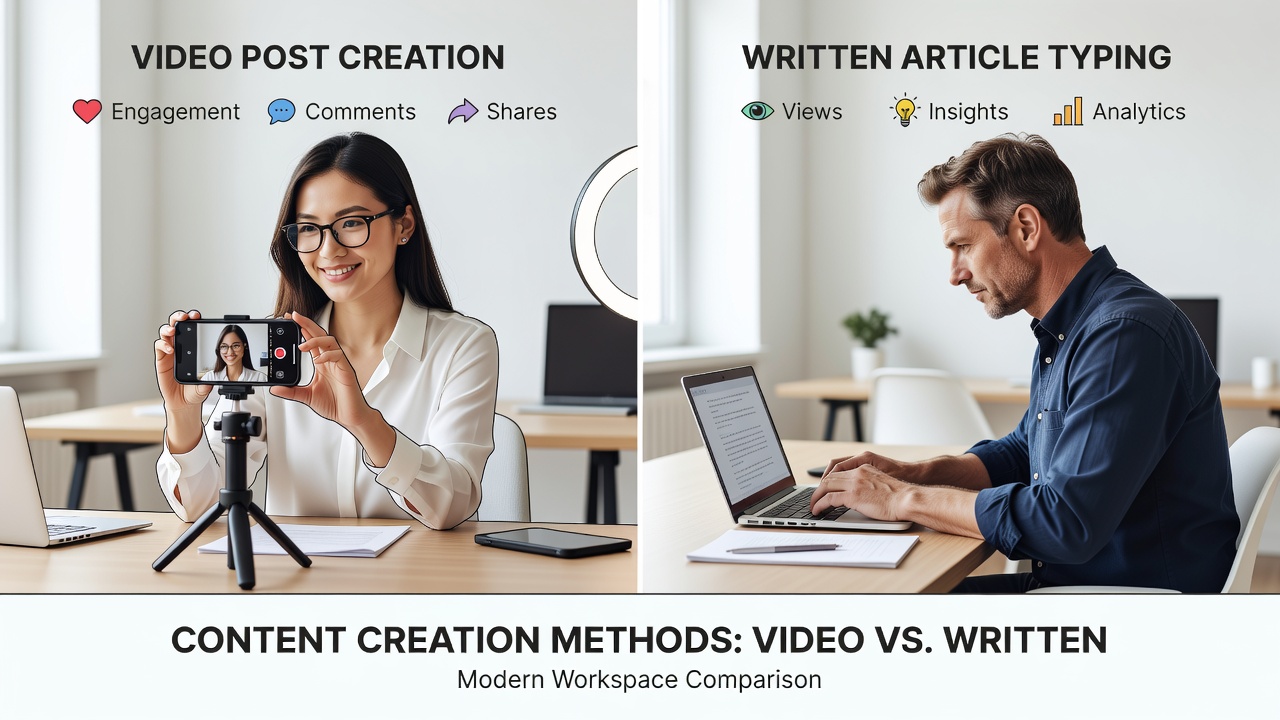
Written posts excel for in-depth analysis and SEO benefits, allowing readers to scan at their own pace. They perform well for long-term authority building on blogs and can be indexed by search engines for sustained visibility. In contrast, video content such as short LinkedIn clips drives higher engagement rates through visual storytelling and personality. It suits quick tips or behind-the-scenes insights but requires more production time and editing skills.
Professionals often combine both: write a detailed blog post then create a 60-second video summary. Test formats based on your audience analytics to determine what yields the best responses. Written formats tend to attract thoughtful comments and shares among senior professionals, while videos generate faster likes and connection requests from broader networks. Consider your strengths and available resources when deciding the primary format.
Real-World Examples from Successful Professionals
Many leaders attribute career advances to consistent posting. For instance, marketing executives have shared how LinkedIn series on industry trends led to speaking invitations and job offers within months. Similarly, tech professionals document learning journeys on blogs, resulting in collaborations and promotions at major firms. One operations manager documented her transition into sustainability consulting through a six-month content series, ultimately securing a role at a leading environmental organization. Another example involves a software engineer who posted weekly breakdowns of complex coding challenges; this attracted attention from recruiters at top tech companies and led to multiple interviews. These examples illustrate how authenticity combined with value drives tangible outcomes like expanded networks and internal recognition. Studying such cases reveals patterns: persistence over six to twelve months and genuine interaction with commenters often amplify results.
Metrics for Tracking ROI on Content Efforts
Measure success through engagement rates, profile views, connection requests, and inbound opportunities. Track referral traffic from LinkedIn to your blog using analytics tools. Monitor how content correlates with interview invitations or promotion discussions over quarterly periods. Additional metrics include comment quality, shares by industry peers, and direct messages from recruiters. Set benchmarks such as a 20 percent increase in profile views month-over-month and review them regularly. Tools like LinkedIn analytics provide free insights, while Google Analytics offers deeper blog traffic data. Regular review helps refine tactics, focusing efforts on high-performing content types and eliminating underperformers early.
Common Mistakes to Avoid
- Posting inconsistently, which signals unreliability to potential employers.
- Focusing solely on self-promotion without providing value to readers.
- Ignoring audience feedback or failing to engage with comments.
- Using overly salesy language that turns off professional networks.
- Neglecting mobile optimization, as most LinkedIn users browse on phones.
Avoiding these pitfalls keeps your content strategy professional and effective.
FAQ: Addressing Common Content Creation Challenges
How do I find time for consistent posting?
Start with one platform and schedule posts during dedicated weekly blocks. Repurposing existing work reduces the time commitment significantly while maintaining quality.
What if I lack original ideas?
Draw from daily work experiences, industry news, or questions from colleagues. Commenting on others' posts can spark new angles and keep your content fresh.
Is it necessary to show my face in videos?
No, many successful creators use screen recordings or voiceovers. Focus on delivering clear value first before worrying about on-camera presence.
How long until I see career results?
Results vary, but consistent effort over 3-6 months typically yields increased visibility and opportunities. Patience combined with iteration accelerates progress.
Should I disclose my job search in content?
Only if it aligns with your strategy; many professionals prefer subtle positioning through skill-focused posts to avoid appearing desperate.
How do I handle negative comments?
Respond professionally and factually, or ignore if the comment adds no value. This demonstrates emotional intelligence to observers.
Conclusion
Embracing content creation as a career tool in 2026 positions you for accelerated growth. By selecting strategic topics, planning effectively, and measuring outcomes, professionals can turn personal branding into a powerful accelerator for promotions and new opportunities. Begin today with one focused post to build momentum and refine your approach over time.


No comments yet. Be the first!