 Jobboy

Introduction: Why Career Pivots Matter in 2026
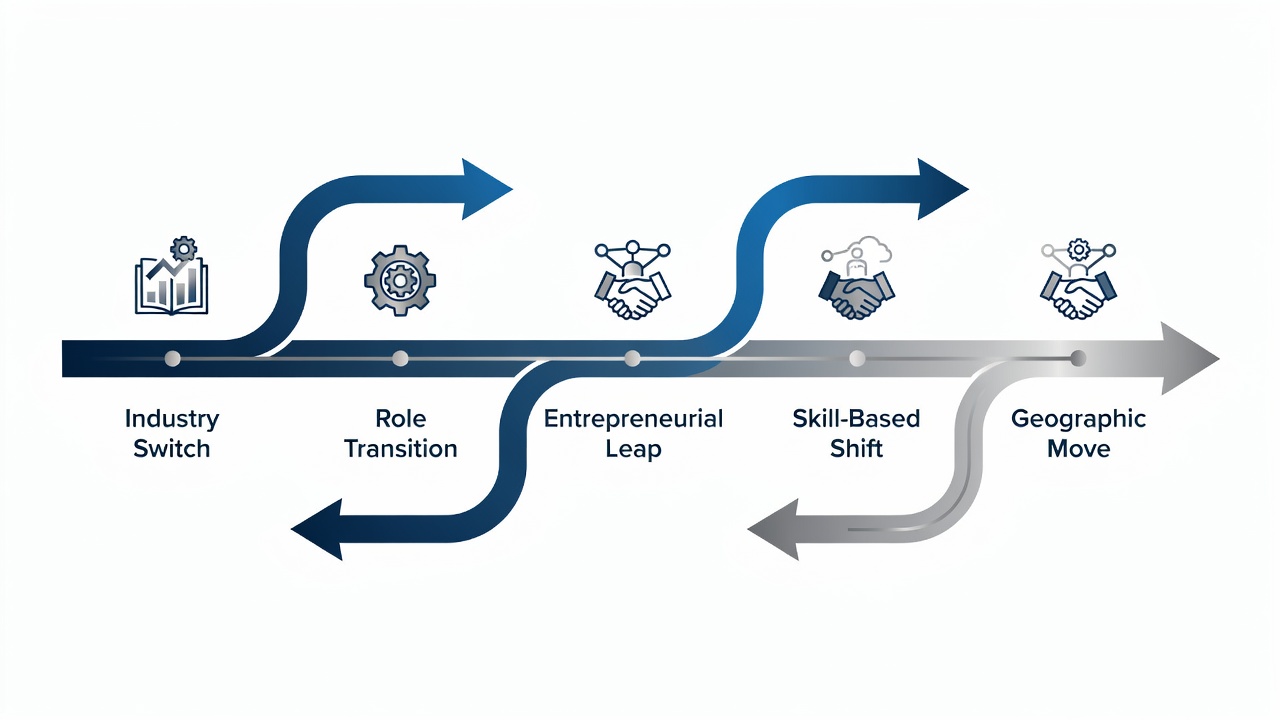
In a rapidly evolving job market shaped by AI advancements, remote work normalization, and ongoing economic shifts, professionals across industries are increasingly considering career pivots for sustained growth. This comprehensive article examines five real-world career pivot case studies drawn from education, marketing, finance, healthcare, and retail. Each example provides actionable strategies focused on decision triggers, upskilling choices, networking tactics, and tangible outcomes. Readers will find before-and-after role comparisons, obstacles overcome, and step-by-step breakdowns complete with timelines and illustrative quotes.
Whether you are experiencing burnout or seeking greater alignment with emerging trends, these stories emphasize practical patterns that can guide your own transition planning. Data from authoritative sources like the Bureau of Labor Statistics underscores the value of adaptability in today’s workforce.
Case Study 1: From Classroom Teacher to EdTech Product Manager
Sarah, a high school teacher with eight years of experience, began her pivot in January 2025 after recognizing persistent burnout from administrative overload and limited classroom autonomy. The key decision trigger came during remote learning sessions when she discovered educational technology tools that scaled learning far beyond her individual reach.
Her upskilling journey started with a structured six-month online program covering product management fundamentals, user research methods, and data analytics basics. She dedicated evenings to completing modules on agile methodologies and built sample roadmaps for hypothetical learning apps. Networking played a pivotal role: Sarah joined targeted LinkedIn communities focused on education innovation and attended three virtual edtech summits. Through these efforts, she secured five informational interviews that ultimately yielded a referral to her current role.
The timeline spanned nine months from initial research to offer acceptance. Before the pivot, her days centered on lesson planning and grading with minimal strategic input. After transitioning, she now leads cross-functional teams defining product features that impact thousands of students. One major obstacle was overcoming imposter syndrome; she addressed it by documenting small wins in a weekly journal and seeking feedback from a mentor. The pivot delivered enhanced professional fulfillment and opportunities for continuous learning.
Case Study 2: Marketing Specialist to Data Analyst in Finance
James, previously a digital marketing specialist at a retail company, executed his pivot after an internal analytics workshop revealed his aptitude for interpreting campaign performance metrics. The trigger aligned with his growing curiosity about predictive modeling and its business applications.
Step-by-step, James first enrolled in a part-time bootcamp emphasizing Python programming and SQL querying. He then constructed a personal portfolio featuring three detailed analyses of past marketing campaigns, complete with visualizations and recommendations. Networking involved participating in monthly industry webinars and reaching out to alumni from the bootcamp program. One connection became a mentor who provided resume feedback and eventually advocated for an internal referral at a major bank.
Completed in nine months, the transition moved him from creative campaign execution to data-driven strategy roles. Challenges included bridging gaps in financial domain knowledge, which he resolved through targeted side projects analyzing public datasets. Outcomes included greater job stability and influence on high-level decisions, demonstrating how transferable analytical skills accelerate career mobility.
Case Study 3: Corporate Finance to Sustainability Consultant
Maria transitioned from investment banking to sustainability consulting after ESG regulations intensified following 2024 policy updates. Her decision trigger stemmed from a growing personal alignment with environmental impact goals alongside professional stagnation in traditional finance.
Upskilling involved completing a specialized certificate program in environmental policy and corporate sustainability. She supplemented this with volunteer work at local green nonprofits, gaining hands-on experience in stakeholder engagement. Networking tactics centered on leveraging university alumni networks and volunteering to speak at three industry panels, which expanded her visibility.
Before the change, her role demanded long hours on deal execution with limited work-life balance. Afterward, she advises clients on sustainable practices while enjoying flexible schedules. Key obstacles, such as skepticism from former colleagues, were overcome by maintaining transparent communication about her motivations. This pivot highlights how values-driven shifts can yield both personal satisfaction and expanded leadership opportunities.
Case Study 4: Healthcare Administrator to UX Designer
After a decade managing hospital operations, David noticed patient feedback consistently pointed to confusing digital interfaces. His pivot was triggered by observing how thoughtful UX design improved portal usability during a system upgrade project.
The process began with self-paced online courses in user research, wireframing, and prototyping tools. He then pursued freelance projects redesigning internal tools for healthcare colleagues to build a compelling portfolio. Family concerns about leaving a stable field were addressed by sharing incremental progress updates and celebrating small milestones like positive client feedback.
Within ten months, David joined a healthtech company where his domain knowledge proved invaluable. The transition replaced rigid administrative routines with creative problem-solving sessions, resulting in higher daily engagement and innovative contributions to patient-centered solutions.
Case Study 5: Retail Manager to Tech Project Manager
Lisa’s move from store management to tech project coordination was prompted by successfully leading cross-functional teams through inventory crises that required precise timelines and stakeholder alignment. She recognized project management as a natural extension of her strengths.
Her approach included obtaining a PMP certification through evening study sessions and actively participating in online project management forums for peer support. Networking occurred via virtual meetups where she exchanged experiences with professionals in software development.
The nine-month timeline culminated in a role coordinating software implementation projects. Obstacles like adapting to technical jargon were managed through deliberate study of industry terminology. Results included accelerated promotion tracks and exposure to diverse sectors, underscoring the portability of leadership competencies.
Common Patterns Across the Pivots
Analysis of these five stories reveals recurring themes that professionals can leverage:
- Decision triggers frequently arose from external disruptions or internal value shifts rather than sudden impulses.
- Upskilling emphasized targeted, short-term credentials paired with immediate application through portfolios or volunteer work.
- Networking succeeded when focused on relationship-building and mutual value rather than transactional requests.
- Measurable results consistently featured improved engagement, resilience, and access to new growth pathways.
Resources such as Department of Labor career tools and CareerOneStop offer additional frameworks for identifying similar patterns in your situation.
How to Apply These Lessons to Your Own Career Planning
Begin by conducting a personal skills audit over two weeks, noting daily frustrations and energizing tasks. Next, research target roles using labor market data and select one focused upskilling path. Schedule two informational conversations monthly while documenting progress in a dedicated journal. Finally, test the waters with small freelance or volunteer projects before committing fully. This methodical approach minimizes risk and maximizes transferable strengths.
Conclusion
These career pivot case studies demonstrate that intentional planning, combined with targeted learning and authentic connections, enables meaningful professional growth. By examining decision points, obstacles, and results in detail, you can adapt proven strategies to your unique context and position yourself for success in 2026 and beyond.
FAQ: Applying These Insights to Your Professional Development
How do I identify my personal pivot trigger? Maintain a two-week journal capturing moments of frustration or excitement, then review patterns with a trusted mentor.
Which upskilling formats deliver the fastest results? Short certificate programs or bootcamps combined with portfolio projects outperform longer academic routes for most pivots.
How important is networking during a transition? It is essential; aim for consistent, low-pressure outreach through platforms and events to build genuine advocates.
Can these strategies transfer across unrelated industries? Yes, core patterns around skills mapping and relationship-building remain consistent while domain specifics are adapted case by case.
What timeline should I expect for a successful pivot? Most examples in this article required six to twelve months, depending on prior experience and chosen learning intensity.


No comments yet. Be the first!