 Jobboy

Understanding Salary Ranges: Why It Matters for Your Career
In today's competitive job market, knowing your worth is crucial. Determining the appropriate salary range for your position and experience level isn't just about numbers—it's about ensuring you're fairly compensated for your skills and contributions. Whether you're , negotiating a raise, or switching careers, benchmarking salaries helps you make informed decisions that align with industry standards.
Salary ranges vary widely based on factors like location, industry, company size, and economic conditions. For instance, a software engineer in Silicon Valley might command a higher salary than one in a smaller city due to cost-of-living differences. This guide will walk you through the steps to research and determine your ideal salary range, providing tools and resources to benchmark effectively in your field.
Factors That Influence Your Salary Range
Before diving into research tools, it's essential to understand what shapes salary expectations. Here are key factors to consider:
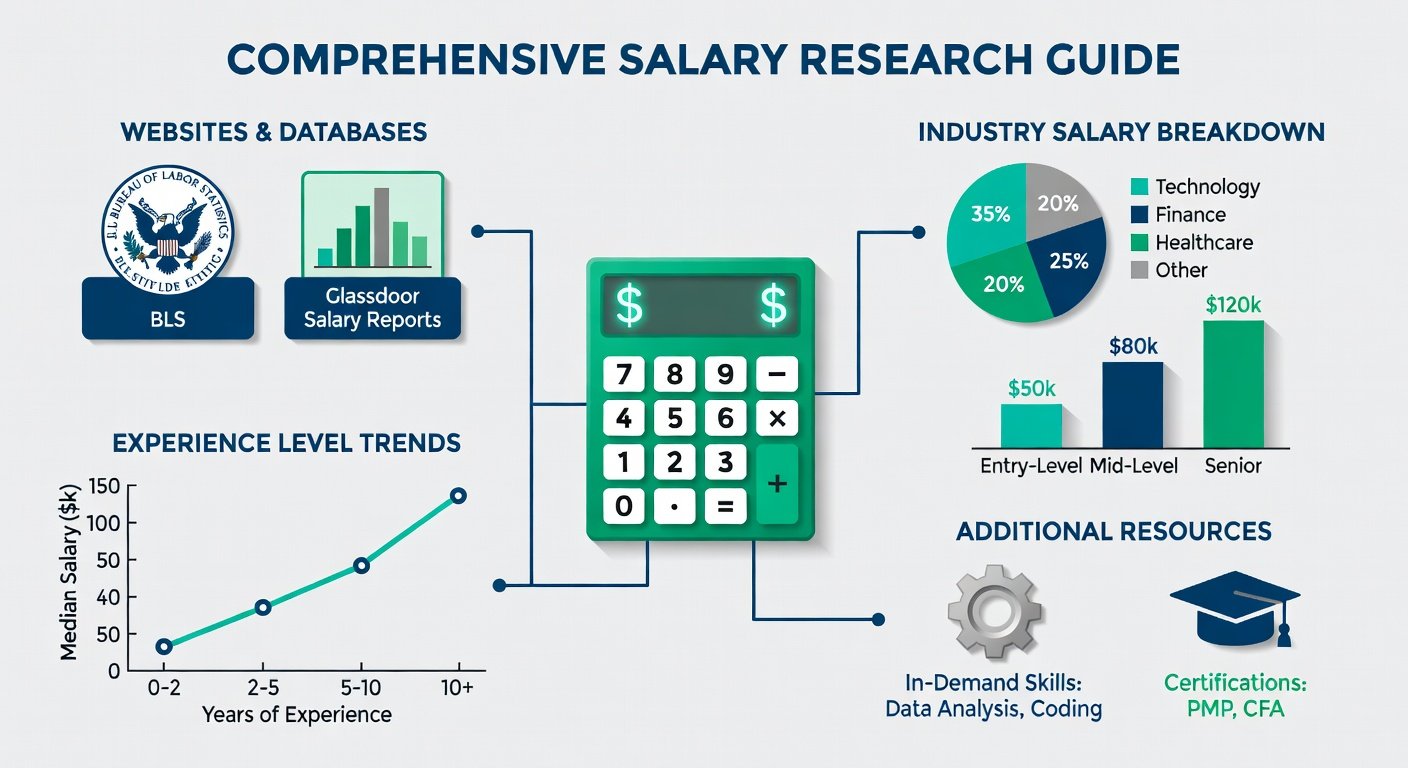
- Experience Level: Entry-level roles typically start lower, while mid-career professionals with 5-10 years of experience can expect 20-50% more. Senior roles often include bonuses and equity.
- Education and Certifications: Advanced degrees or specialized certifications, like a PMP for project managers, can boost your range by 10-20%.
- Location: Urban areas and high-cost regions offer higher pay to offset living expenses. Remote roles might adjust for this.
- Industry and Company Size: Tech and finance sectors pay premiums, while startups may offer equity over base salary.
- Job Responsibilities: Roles with leadership or high-impact duties command more.
By evaluating these, you can narrow down a realistic range. For example, a marketing manager with 7 years of experience in New York might target $90,000-$120,000 annually, compared to $70,000-$95,000 in the Midwest.
Step-by-Step Guide to Researching Salary Ranges
Researching salaries doesn't have to be overwhelming. Follow these steps to gather accurate data tailored to your situation.
- Identify Your Role and Keywords: Be specific—use titles like "Senior Data Analyst" instead of just "Analyst" to get precise results.
- Gather Data from Multiple Sources: Cross-reference free and paid tools for a comprehensive view. Aim for at least three sources to average out discrepancies.
- Adjust for Your Variables: Input your experience, location, and skills into calculators to personalize the range.
- Consult Networks: Talk to mentors or join professional groups for insider insights.
This methodical approach ensures your benchmark is reliable and defensible during negotiations.
Top Tools and Resources for Benchmarking Salaries
Fortunately, numerous online platforms make salary research accessible. Here's a curated list of reliable tools:
- Government Data Sources: The U.S. Bureau of Labor Statistics (BLS) provides free, comprehensive occupational wage data. Visit the BLS website to explore median salaries by occupation and region, updated annually with national surveys.
- Salary Comparison Sites: Platforms like Glassdoor and Payscale aggregate user-submitted data. Glassdoor offers salary estimates based on millions of reports, including breakdowns by experience and company. For deeper insights, Payscale's salary calculator factors in your exact profile.
- Professional Networks: Salary uses anonymized data from its users to show ranges for roles in your network. It's particularly useful for seeing how peers in similar positions are compensated.
- Industry-Specific Reports: For fields like tech or healthcare, check reports from associations. For example, the Robert Half Salary Guide provides annual benchmarks for various professions.
- Paid Tools for Precision: If you're in a niche field, consider Radford or Mercer surveys, often accessible through career services or alumni networks.
Start with free options like the BLS for a baseline, then refine with sites like Glassdoor. Remember, user-reported data can vary, so look for trends over single anecdotes.
Applying Salary Benchmarks in Your Field
Once you have data, apply it to your field. Let's break it down by common industries:
Tech and IT
In tech, salaries are booming due to demand. A mid-level developer might range from $100,000-$140,000. Use tools like Levels.fyi for tech-specific breakdowns, which include stock options.
Marketing and Sales
Marketing roles often include commissions. A digital marketer with 5 years experience could aim for $70,000-$100,000 base plus bonuses. Payscale excels here for commission-inclusive totals.
Healthcare and Education
These sectors emphasize stability. Nurses with experience might target $80,000-$110,000. BLS data is gold standard for public sector roles.
Regardless of field, always factor in total compensation: benefits, PTO, and perks can add 20-30% value.
Tips for Negotiating Based on Your Research
Armed with benchmarks, negotiation becomes straightforward. Here's how to leverage your data:
- Present Evidence: Share ranges from reputable sources without demanding—frame it as collaboration.
- Highlight Your Value: Tie your ask to achievements, like "My experience increased sales by 25%, aligning with the $X range for similar roles."
- Consider the Full Package: If base salary is firm, negotiate for better benefits. Use the Glassdoor total pay insights to compare.
- Timing Matters: Discuss after an offer, not during interviews, unless prompted.
Practice with a trusted advisor to build confidence. Women and underrepresented groups may face biases, so resources like Lean In offer negotiation scripts tailored to these challenges.
Common Pitfalls to Avoid
Steer clear of these mistakes for accurate benchmarking:
- Relying on outdated data—always check recent reports.
- Ignoring soft factors like company culture, which might justify a lower offer if growth opportunities abound.
- Undervaluing yourself—aim for the upper end of your range if you bring unique skills.
Regularly update your research, especially during annual reviews or market shifts.
Conclusion: Empower Your Career with Salary Knowledge
Determining your salary range is an empowering step toward financial security and career satisfaction. By using tools like the BLS and Glassdoor, you can benchmark confidently and negotiate from strength. Start researching today—your future self will thank you. Remember, fair pay isn't just about the paycheck; it's about valuing your expertise in a dynamic job market.


No comments yet. Be the first!