 Jobboy

Introduction: Why Timing Matters for Your 2026 Pay Raise
Requesting a pay raise is one of the most impactful career moves you can make, but success often hinges on when you ask rather than just how much you request. In 2026, economic shifts, company fiscal calendars, and performance data create clear windows of opportunity. This guide explores the best times to request a raise, backed by practical strategies that help beginners navigate the process confidently. Aligning your request with key business cycles increases approval odds dramatically. Whether your company follows calendar-year or fiscal-year budgeting, understanding these rhythms positions you ahead of competitors. Many professionals miss out because they approach the conversation without considering external factors like quarterly earnings reports or internal budget resets. By focusing on timing, you demonstrate strategic thinking that managers appreciate.
Aligning with Company Cycles and Review Periods
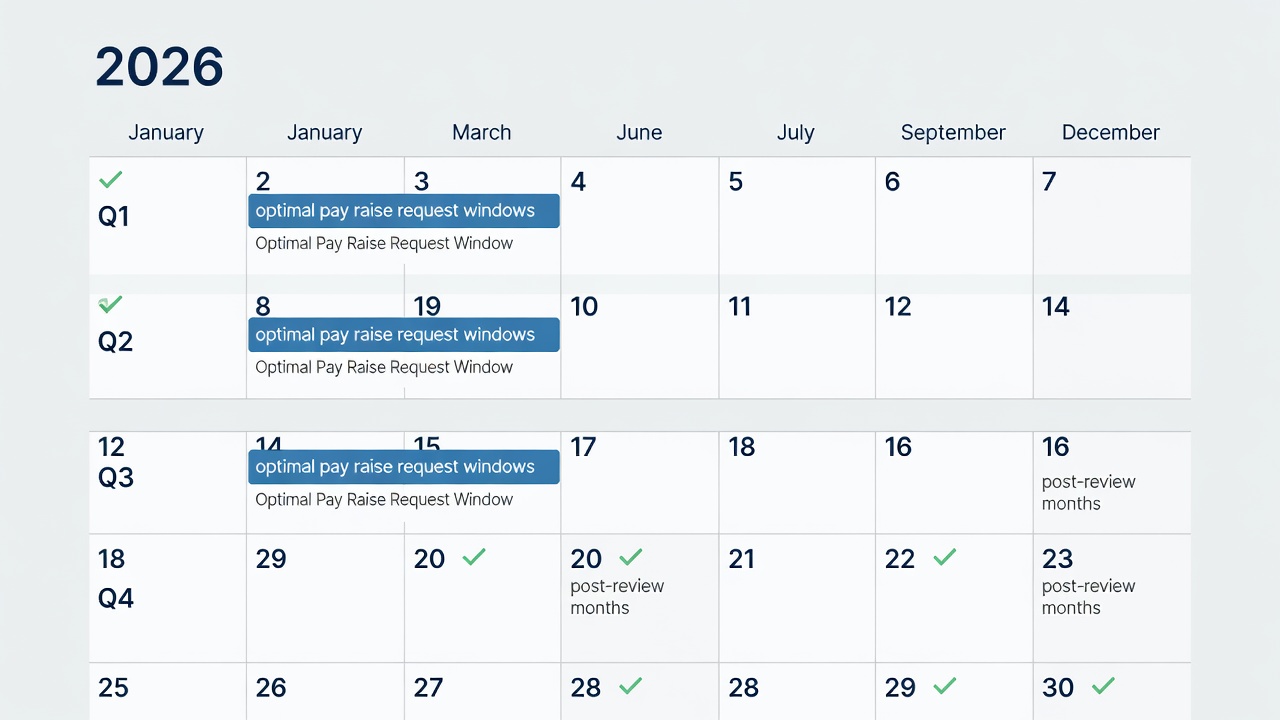
Most organizations tie compensation decisions to quarterly or annual reviews. The strongest periods include the start of a new fiscal year or immediately after a successful project milestone. Request during Q1 if your company resets budgets then, as managers have fresh allocations available. Target post-performance review windows, typically 30-60 days after evaluations conclude, when your recent contributions are fresh in everyone's mind. Avoid end-of-year rushes when budgets are already allocated and decision-makers are focused on closing out the prior period. Real-world example: An employee at a mid-sized tech firm waited until the fiscal year start in July 2025 and secured approval by presenting year-over-year impact data tied directly to revenue goals. Another example involves a marketing professional who timed her request right after a major campaign launch that exceeded targets, leading to quicker approval because the value was immediately visible.
Using Salary Benchmarks and Industry Data
Before timing your ask, research current market rates thoroughly. Authoritative sources like the Bureau of Labor Statistics provide reliable salary benchmarks by role and location. Combine this with your internal performance metrics for a compelling case. High-success periods often coincide with strong company financial reports or industry growth phases, while low-success windows follow layoffs or economic downturns. Cross-reference data from multiple sources to build a robust argument. For instance, compare your current compensation against regional averages for similar experience levels and adjust your timing to periods when the broader economy shows stability, making managers more receptive to retention-focused discussions.
Calculating Total Compensation Impact
Beyond base salary, factor in benefits like bonuses, health contributions, and retirement matches. A well-timed request can improve the entire package by highlighting how adjustments affect long-term financial security. Consider elements such as stock options, professional development stipends, and flexible work arrangements that add meaningful value. This holistic approach shows you understand the full picture of employment value rather than focusing narrowly on one number. When preparing your case, create a simple comparison table showing current versus proposed total compensation to help your manager visualize the impact.
Step-by-Step Timing Checklist
Follow this detailed checklist to maximize your chances: Track your company's fiscal calendar six months in advance by reviewing annual reports or asking HR about budget cycles. Document achievements with quantifiable results such as revenue generated, projects completed, or efficiency improvements. Monitor economic indicators such as unemployment rates and sector growth through reliable government publications. Schedule a preliminary discussion with your manager to gauge openness without making a formal request. Prepare backup options if timing feels off, including a plan to revisit the topic in the next viable window. Rehearse your talking points focusing on mutual benefits for the organization and your career growth. Gather supporting documentation like performance reviews and external market comparisons well ahead of time. Finally, choose a low-stress day for the conversation, avoiding Mondays or Fridays when workloads are heaviest.
Comparisons: High-Success vs Low-Success Periods
High-success windows include post-promotion periods and after major contract wins when your contributions are most visible. Low-success times involve budget freezes or leadership transitions when priorities shift elsewhere. Data from HR organizations like SHRM shows requests made during stable growth quarters succeed more often because decision-makers have greater flexibility. In contrast, periods immediately following mergers or during industry downturns require extra patience and alternative strategies such as negotiating non-salary perks first.
Real-World Examples of Successful Requests
Consider Sarah, a software engineer who waited until after her company's Q2 earnings call showed record profits. She scheduled her meeting two weeks later and received approval within days. In another case, a sales manager aligned his request with the start of the new fiscal year, presenting data on client acquisitions that directly supported company expansion goals. These examples illustrate how patience and preparation turn timing into a powerful advantage.
Email and Conversation Templates
Use this email template: "Subject: Request for Compensation Discussion. Hi [Manager], Following my recent contributions to [project], I'd like to schedule time to discuss my compensation alignment with market rates and my ongoing impact on team objectives." For in-person conversations, start with: "I've been reflecting on my role and the value I've delivered. Could we explore how my compensation might reflect current market conditions and my performance?" Adapt these based on your relationship with your manager and the specific timing window you choose.
Mistakes to Avoid When Timing Your Request
Common pitfalls include asking during peak busy seasons like end-of-quarter reporting or right after company-wide cost-cutting announcements. Another mistake is failing to connect your request to business outcomes, which weakens your position regardless of timing. Always avoid emotional appeals and stick to facts and data.
FAQ: Addressing Common Fears
What if my timing is wrong? Prepare a follow-up plan for the next review cycle and maintain positive performance momentum. How much should I ask for? Base it on benchmarks rather than arbitrary numbers and be ready to discuss ranges. Will asking hurt my relationship? Frame it as a value discussion, not a demand, and emphasize your commitment to the team. What if the answer is no? Ask for specific feedback on what would improve your chances next time and set a date to revisit the topic.
Conclusion
Mastering the timing of your pay raise request in 2026 requires preparation, data, and awareness of business rhythms. Follow these strategies to maximize your chances of success and build a stronger long-term career trajectory.


No comments yet. Be the first!