 Jobboy

Introduction to 2026 Entry-Level Compensation Trends
Recent graduates entering the workforce in 2026 face a dynamic job market shaped by economic recovery, technological advancements, and evolving industry demands. Understanding realistic starting salaries helps set expectations and supports informed career decisions. This guide examines average compensation across key sectors, drawing on labor market insights as of 2026-07-10. Salary data serves as a benchmark rather than a fixed number. Factors such as company size, candidate qualifications, and economic conditions influence final offers. Graduates who research thoroughly and negotiate effectively often secure better packages that align with their long-term financial goals.
Many new professionals underestimate the importance of total compensation beyond base pay. In today’s environment, benefits like student loan assistance, remote work stipends, and equity grants can significantly alter the value of an offer. This article provides a comprehensive overview to help you navigate these complexities with confidence and clarity.
Industry-Specific Salary Benchmarks for New Grads
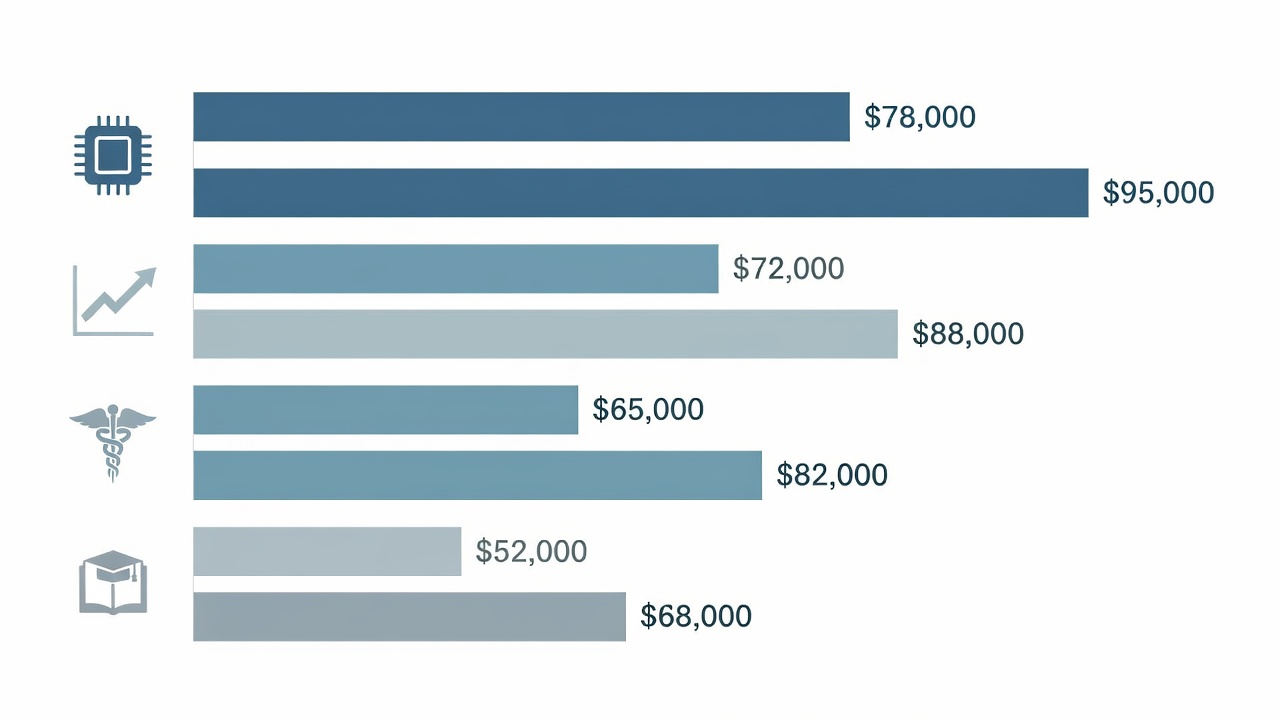
Different fields offer varying levels of compensation based on demand for talent and required expertise. Technology and finance typically lead, while education and nonprofit sectors may emphasize benefits over base pay. The following benchmarks reflect national medians compiled from recent labor reports as of 2026-07-10.
| Industry | Average Starting Salary (as of 2026-07-10) | Key Roles |
|---|---|---|
| Technology | $78,000 - $95,000 | Software Engineer, Data Analyst |
| Finance | $72,000 - $88,000 | Financial Analyst, Accountant |
| Healthcare | $65,000 - $82,000 | Nurse, Medical Technician |
| Marketing | $52,000 - $68,000 | Digital Marketer, Content Specialist |
| Education | $45,000 - $58,000 | Teacher, Administrator |
These ranges can shift with experience or advanced degrees. Technology roles often include additional equity components that increase long-term value. Finance positions may feature performance bonuses tied to quarterly results. Healthcare offers frequently include shift differentials and overtime opportunities. For authoritative data sources, consult the U.S. Bureau of Labor Statistics and the U.S. Department of Labor.
How to Research Salary Data Effectively
Begin by using multiple reliable platforms to cross-reference figures. Government reports, professional associations, and salary aggregators provide complementary perspectives. Always filter for entry-level roles and recent postings from the past month. Create a spreadsheet to track data from at least three sources for each target role. Note variations by company size, with larger corporations often paying 10-15% more than startups. Consider cost of living adjustments when comparing data across regions. Tools from sites like the U.S. Census Bureau help contextualize pay against local expenses. Attend virtual career fairs and alumni panels to gather anecdotal evidence from recent hires in your field. This multi-layered approach ensures your expectations remain grounded in current market realities.
Factoring in Benefits and Total Compensation
Base salary represents only part of the package. Health insurance, retirement contributions, bonuses, and professional development stipends add significant value. In 2026, many employers emphasize flexible work policies and wellness programs as differentiators. Calculate total compensation by estimating the monetary worth of each benefit. A role with a slightly lower base but strong 401(k) matching may outperform a higher-salary offer lacking perks. Review vesting schedules for stock options and signing bonuses carefully. Paid parental leave and tuition reimbursement programs can also provide substantial long-term savings. Always request a detailed breakdown of benefits before accepting any offer.
The Role of Location and Skills in Pay Offers
Geographic location dramatically affects offers. Major tech hubs command premiums, while remote or hybrid arrangements can equalize pay across regions. Skills in high-demand areas such as AI, cybersecurity, or data analytics frequently boost starting pay by 10-20%. Certifications and internships also strengthen negotiating power. Graduates should highlight quantifiable achievements from academic projects or part-time work. Remote workers may face location-based pay bands that adjust compensation according to regional cost indexes. Dual-degree holders or those with specialized minors often command higher starting points. Understanding these variables allows candidates to target opportunities that maximize earnings potential.
Practical Steps for Preparing Salary Discussions
- Compile personalized salary research tailored to your target roles and locations at least two weeks before interviews begin.
- Practice articulating your value using specific examples of skills and results from internships or capstone projects.
- Determine your minimum acceptable offer, including benefits thresholds and non-negotiable elements like remote work flexibility.
- Prepare responses to common counteroffers in advance, such as requests for additional vacation days instead of base pay increases.
- Role-play the conversation with a mentor or career counselor to build confidence and refine your phrasing.
- Document all research sources so you can reference them credibly during discussions.
Real-World Examples of Successful First-Job Negotiations
One recent computer science graduate received an initial offer of $82,000 in software development. By presenting competing offers and emphasizing unique project experience, they negotiated up to $91,000 plus a signing bonus. Another marketing candidate leveraged data on industry medians to secure an extra week of paid time off and a professional development allowance. A healthcare graduate successfully requested relocation assistance after highlighting family obligations, resulting in a $5,000 moving stipend. These examples illustrate how preparation and clear communication lead to improved outcomes without damaging relationships with employers.
Handling Lowball Offers and Common Concerns
When an offer falls below expectations, respond professionally by expressing enthusiasm while requesting time to review. Ask clarifying questions about total compensation components before deciding. Avoid immediate rejection, as many companies build in room for negotiation. If the offer remains unsatisfactory, politely explain your research and propose a specific counteroffer supported by data. Maintain a collaborative tone throughout the process.
Frequently Asked Questions
What if my offer is below the industry average?
Evaluate the full package and growth opportunities. Use market data to support a polite counter without burning bridges. Consider whether the role offers rapid advancement potential that could offset a lower starting salary.
How much should I ask for during negotiation?
Target 5-10% above the initial offer when justified by research, staying within realistic ranges for your industry and experience level. Always frame requests around mutual benefit and value delivered.
Does location affect remote offers?
Many companies now use location-based pay bands, so confirm policies early in discussions. Request written details on how geographic adjustments are calculated.
Should I accept the first offer I receive?
Take at least 48 hours to review the complete package. Compare it against your researched benchmarks and personal priorities before responding.
Mistakes to Avoid When Discussing Compensation
Common pitfalls include disclosing your salary expectations too early, failing to research thoroughly, or accepting an offer without reviewing benefits details. Never make demands that sound entitled. Instead, focus on collaborative language that emphasizes your enthusiasm for the role. Avoid comparing your offer directly to peers’ compensation in conversations with recruiters.
Conclusion
Navigating 2026 starting salaries requires preparation, research, and confidence. By understanding industry benchmarks, valuing total compensation, and practicing negotiation, new graduates can secure offers that reflect their true worth. Start applying these strategies today to launch your career on strong financial footing and build a foundation for future advancement.


No comments yet. Be the first!