 Jobboy

Introduction to 2026 Salary Negotiations
Navigating salary expectations in 2026 requires a clear understanding of how experience levels influence compensation across key industries. Professionals at every stage benefit from structured preparation that combines market research, clear communication, and a focus on total compensation rather than base pay alone. This negotiation playbook organizes guidance by career stage, covering entry-level through senior positions in tech, healthcare, and finance. It delivers practical scripts, real-world examples, common pitfalls to avoid, and methods for using reliable data to strengthen requests for raises or new offers. Effective negotiation starts with recognizing that compensation packages now routinely blend salary, equity grants, performance bonuses, health benefits, retirement contributions, and professional development stipends. Candidates who treat these elements as interconnected achieve better long-term results. Throughout this guide, emphasis is placed on preparation techniques that build confidence and produce measurable improvements in outcomes. Understanding industry nuances helps avoid one-size-fits-all approaches that can undermine your position during discussions.
Entry-Level Benchmarks and Preparation Tactics
Entry-level roles serve as the foundation for career growth, and compensation at this stage typically prioritizes base pay alongside introductory benefits. In technology, new professionals often receive modest equity alongside standard health coverage and retirement matching. Healthcare entry roles emphasize stable pay paired with tuition support and shift differentials. Finance positions frequently include performance incentives that can supplement core earnings. A practical approach begins with gathering comparative information from trusted government sources. Review occupational data to understand typical ranges for your role and location. Prepare a short personal summary that highlights academic achievements, internships, or early projects without overstating experience. When an offer arrives, express enthusiasm first, then request time to review before discussing adjustments. Example script for an entry-level tech role: “Thank you for the offer. I’m genuinely excited about contributing to the team. To ensure alignment with my research on market standards for similar positions, could we explore increasing the base component while keeping the equity and benefits structure intact?” This phrasing keeps the conversation collaborative and focused on mutual value. Additional preparation includes practicing responses to common pushback, such as budget constraints, by redirecting to your documented skills and potential contributions.
Mid-Level Career Stage: Building Leverage
With three to seven years of experience, mid-level professionals gain significant negotiating power through demonstrated results. Equity participation grows more meaningful in tech and finance, while healthcare roles may highlight leadership responsibilities and specialized certifications. Total compensation discussions should address how contributions have directly supported team or organizational goals. Develop a one-page achievement summary that quantifies impact, such as process improvements or revenue support. Schedule conversations during performance review windows or immediately after completing major projects. Use external benchmarks from authoritative sites like the Bureau of Labor Statistics to anchor requests. Step-by-step negotiation process: 1. Confirm understanding of the full offer. 2. Present your documented accomplishments. 3. State a clear, researched target range. 4. Invite the employer to propose solutions. 5. Follow up in writing within 24 hours. This sequence maintains professionalism while advancing your position. For healthcare mid-level roles, emphasize patient outcomes or operational efficiencies in your summary to strengthen the case for adjusted benefits or flexible scheduling options.
Senior-Level Compensation Strategies
Senior professionals command packages that reflect strategic influence, often featuring substantial equity components and leadership premiums. In finance, long-term incentive plans become central. Healthcare seniors may prioritize comprehensive benefits and flexible scheduling. Tech roles frequently balance high base pay with meaningful stock or profit-sharing arrangements. Preparation includes mapping your career trajectory against industry peers and identifying unique value you bring, such as mentoring programs or cross-functional expertise. When negotiating, reference both internal equity and external market movement. Always evaluate the full package, including vesting schedules and severance provisions. An example senior-level script might open with: “Over the past year, my leadership on key initiatives has delivered measurable results. I’d like to discuss how we can align my compensation more closely with these contributions and current market standards for senior roles.”
Industry-Specific Total Compensation Comparisons
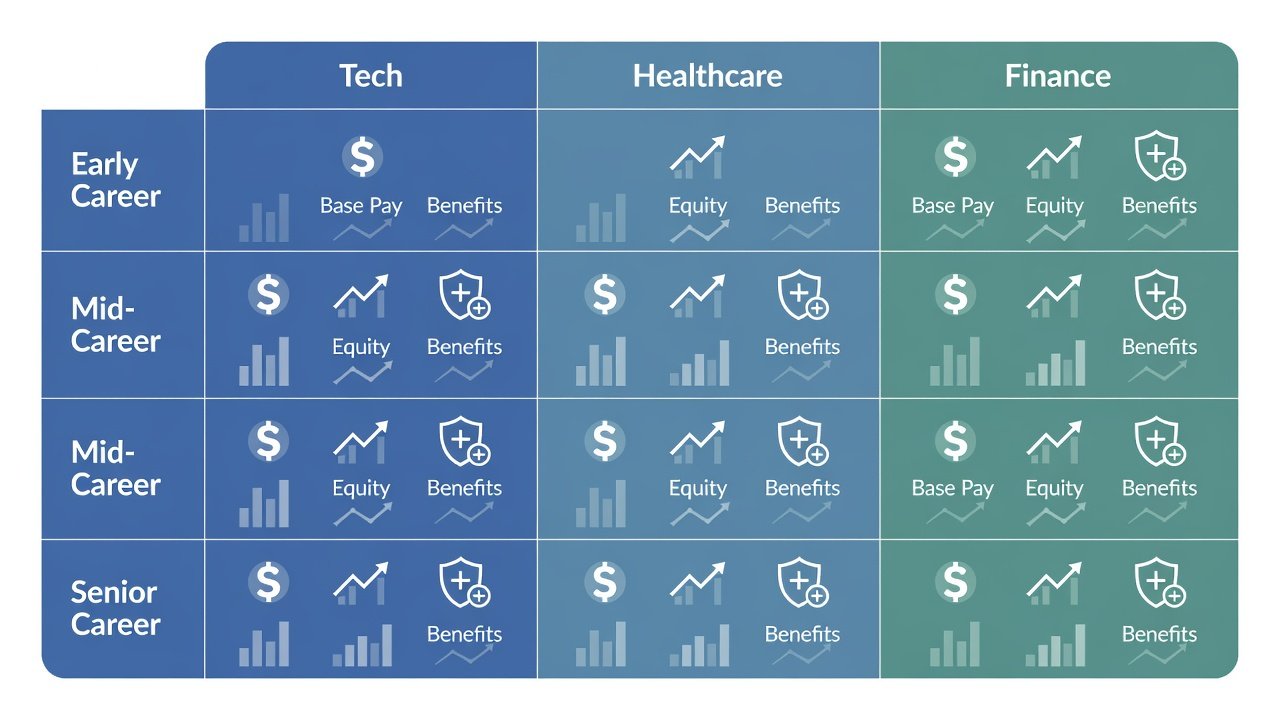
Comparing packages across sectors reveals important trade-offs. Technology roles often trade higher equity upside for variable base stability. Healthcare compensation tends to favor predictable pay and robust benefits. Finance blends base salary with bonus structures tied to performance metrics. Create your own comparison table that lists base focus, equity potential, benefits highlights, and growth opportunities for each industry at your experience level. This exercise clarifies priorities and prevents overlooking elements like wellness programs or parental leave policies that add significant value over time.
Common Pitfalls and How to Avoid Them
- Accepting the initial offer without any research or counter-discussion, which can leave long-term earnings on the table.
- Focusing exclusively on base salary while overlooking equity vesting, retirement matches, or professional development funds.
- Bringing up personal financial needs instead of market data and performance evidence.
- Failing to practice responses to common objections, leading to awkward or incomplete conversations.
- Ignoring the timing of company budget cycles or recent funding announcements that affect flexibility.
- Overlooking non-monetary factors such as reporting structure or professional growth pathways that influence overall satisfaction.
Leveraging Data and Authoritative Sources for Raises
Strong cases rest on credible information. Combine internal performance metrics with external references from the Department of Labor and the U.S. Census Bureau. Prepare a concise document that pairs your results with these benchmarks. Schedule a dedicated meeting rather than raising the topic casually, and always follow up with a written summary of agreed points. For added depth, cross-reference multiple data points to account for regional variations and role-specific demands, ensuring your presentation remains balanced and persuasive.
Handling Counteroffers and Timing Considerations
When an employer responds with a counteroffer, evaluate it against your original goals and long-term career plans rather than reacting emotionally. Allow at least 48 hours before responding. If timing a raise request, align it with completed milestones or annual review periods for the greatest impact. Document all discussions to maintain clarity throughout the process. Consider non-compete clauses or relocation support if they appear in revised offers, as these can affect future mobility. Professionals who approach counteroffers methodically often secure improvements while preserving positive relationships with current employers.
Conclusion
Salary negotiation in 2026 rewards preparation, clarity, and a holistic view of compensation. By organizing your approach around experience level and industry realities, you position yourself for sustainable career advancement. Use the scripts, checklists, and data strategies outlined here to approach every conversation with confidence and professionalism. Regular review of your compensation trajectory ensures continued alignment with market conditions and personal objectives.

No comments yet. Be the first!