 Jobboy
Introduction to 2026 Remote Total Compensation Benchmarks
Remote work continues to reshape how professionals evaluate job offers in 2026. Total compensation extends far beyond base salary to encompass equity grants, comprehensive benefits packages, cost-of-living adjustments, and other perks. Understanding these elements helps junior, mid-level, and senior professionals make informed decisions across industries like tech, finance, and healthcare. As companies refine their remote policies, candidates must look at the full picture of what an offer delivers over time rather than focusing solely on headline figures.
This guide provides in-depth benchmarks, practical valuation methods, negotiation tactics, and real-world examples tailored to remote roles. Readers will find actionable scripts, tables for quick reference, and advice on avoiding common pitfalls. By exploring each component in detail, professionals can approach offers with greater confidence and clarity.
Key Components of Total Compensation in Remote Roles
Total compensation in remote positions typically includes base pay, variable bonuses, equity or stock options, health and retirement benefits, professional development stipends, and location-based adjustments. Equity can represent a significant portion of pay, especially in tech startups, while benefits like unlimited PTO or wellness allowances add substantial value over the course of a year. Remote setups also introduce unique elements such as home office reimbursements and flexible scheduling that support work-life balance.
Cost-of-living adjustments remain critical for remote workers who may live in lower-cost areas yet receive pay scaled to major hubs. Professionals should always request a full breakdown during the offer stage and consider how each element aligns with personal financial goals and career stage. Additional factors like parental leave policies or mental health resources further enhance the overall package in competitive markets.
Benchmarks by Experience Level
Junior Professionals
Junior roles often emphasize foundational support through structured learning programs, mentorship access, and entry-level health coverage. The focus tends to be on building skills while securing reliable benefits that reduce financial stress during early career years. Remote junior positions may include modest equity grants to encourage long-term commitment alongside standard stipends for professional growth.
Mid-Level Professionals
Mid-level benchmarks shift toward balanced packages that combine meaningful equity with greater flexibility in work arrangements. These professionals typically negotiate for performance bonuses and enhanced remote tools that improve productivity. Benefits often expand to include family coverage options and sabbatical opportunities that reflect increased responsibilities.
Senior Professionals
Senior positions prioritize substantial equity upside and leadership-oriented perks such as executive coaching or enhanced retirement contributions. Remote senior roles frequently incorporate cost-of-living considerations and custom benefits that accommodate established lifestyles. Negotiation at this level centers on long-term wealth building and strategic influence within the organization.
Industry Comparisons: Tech, Finance, and Healthcare
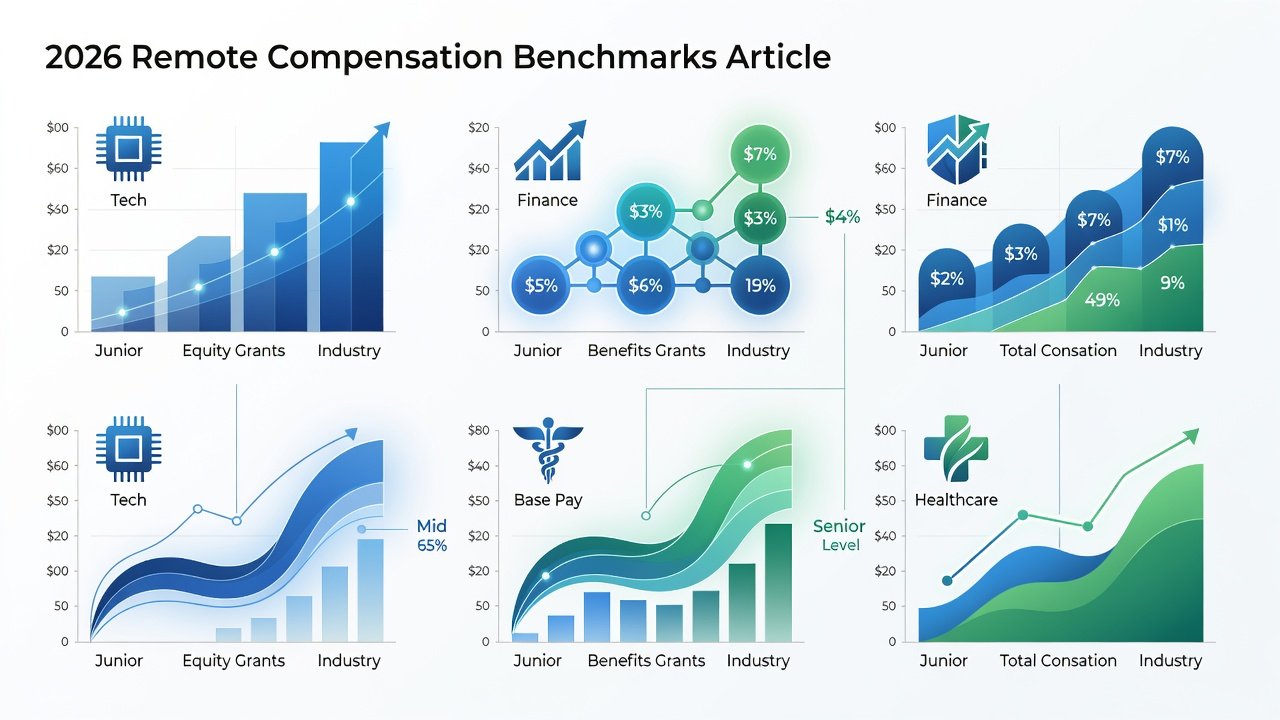
Tech roles often feature higher equity components and flexible remote policies that allow employees to work from various locations with minimal restrictions. Finance positions may include performance bonuses tied to market results alongside strong retirement matching and compliance-related benefits. Healthcare roles frequently highlight robust medical benefits and continuing education support, with remote telehealth positions gaining traction through specialized wellness programs.
Comparing offers requires looking at how each industry weights different compensation elements. For instance, tech may reward innovation with stock options while finance emphasizes stability through bonuses. Healthcare stands out for its emphasis on comprehensive insurance and leave policies. For authoritative labor market insights, consult resources such as the Bureau of Labor Statistics and the Department of Labor.
Step-by-Step Valuation of Perks and Benefits
- Calculate the monetary value of health insurance premiums and retirement contributions using annual estimates provided by the employer.
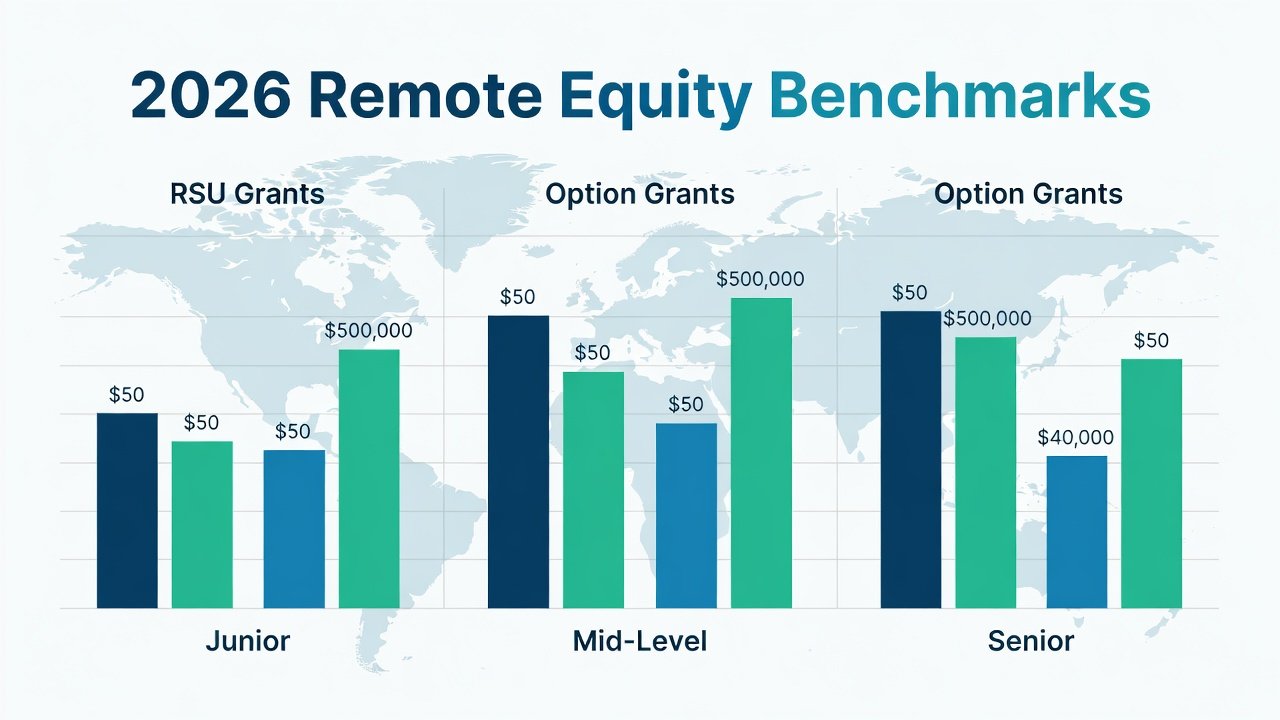
- Assess equity by reviewing vesting schedules, company growth projections, and potential liquidity events in the coming years.
- Quantify flexible benefits such as home office stipends or learning budgets by comparing them against typical market rates for similar remote setups.
- Factor in COL adjustments by researching regional cost indices and how they affect your take-home pay in different locations.
- Sum all elements and compare against your current total package while projecting forward three to five years.
- Consider non-monetary aspects like career advancement opportunities and work culture fit that influence long-term satisfaction.
This structured approach ensures no component is overlooked and allows for apples-to-apples comparisons between multiple offers.
Effective Negotiation Strategies and Scripts
Successful negotiation starts with research and framing discussions around mutual value. Begin by expressing enthusiasm for the role before presenting data-backed requests. Timing matters, so initiate conversations after receiving a formal offer but before accepting.
Example script for a junior professional: "I'm thrilled about the chance to grow with the team in this remote position. To ensure the offer supports my development goals, could we discuss including a professional development stipend alongside the base package?"
For mid-level candidates: "I'm excited about the opportunity to contribute to the team. Based on my experience and current market benchmarks as of 2026-11-08, I was hoping we could discuss adjusting the equity component to better align with total compensation expectations in similar remote roles."
For seniors, emphasize long-term impact: "Given my track record delivering results, I'd like to explore how we can structure the offer to include performance-tied bonuses and enhanced benefits that support my remote setup and leadership contributions."
Always prepare multiple scenarios and know your walk-away points in advance.

Practical Tables for Quick Reference
| Experience Level | Focus Areas | Typical Perks |
|---|---|---|
| Junior | Base pay + learning | Mentorship, health coverage, stipends |
| Mid-Level | Equity + flexibility | Bonuses, remote tools, PTO |
| Senior | Equity upside + leadership | Executive benefits, COL adjustments |
Common Pitfalls and How to Avoid Them
One frequent mistake involves overlooking the vesting schedule for equity grants, which can lead to lower realized value if the role ends early. Another pitfall is failing to clarify tax implications of remote work across state lines. Professionals should also avoid accepting offers without confirming all benefits in writing and reviewing them with a trusted advisor.
By preparing thoroughly and asking targeted questions, candidates can sidestep these issues and secure stronger agreements.
FAQs on Tax Implications and Common Pitfalls
How do remote roles affect taxes?
Remote work can complicate state tax obligations depending on where you live and where the company is based. Consult official guidance from the Internal Revenue Service for multi-state considerations and filing requirements.
What are common negotiation mistakes?
Many professionals undervalue equity or fail to request written confirmation of all benefits. Always document discussions and review offers with a financial advisor before finalizing.
How should COL adjustments be evaluated?
Review the methodology behind any adjustments and compare them against independent cost-of-living data for your location to ensure fairness.
Conclusion and Tips to Maximize Offers
By thoroughly evaluating total compensation and applying proven negotiation tactics, professionals can secure remote offers that truly reflect their worth in 2026. Focus on holistic value, use data responsibly, and prioritize long-term growth alongside immediate rewards. Prepare multiple counteroffers in advance, seek input from mentors, and maintain a collaborative tone throughout discussions. These steps position candidates for success in a competitive remote talent market.
No comments yet. Be the first!