 Jobboy

Introduction: Understanding the 2026 Compensation Landscape
In today's dynamic job market, professionals are increasingly focused on maximizing total compensation rather than chasing headline base salaries. The 2026 landscape highlights stark differences between top-earning roles and the strategic wins achieved through effective negotiation. This article explores industry comparisons, practical evaluation tools, and real-world tactics to help you secure better offers or raises. As economic conditions evolve, understanding how industries balance base pay with perks becomes critical for career advancement. Many workers overlook the full picture of compensation, leading to suboptimal decisions when evaluating offers or requesting raises. By diving deep into market realities, you can position yourself for stronger outcomes.
Key Industries and Compensation Trade-Offs in 2026
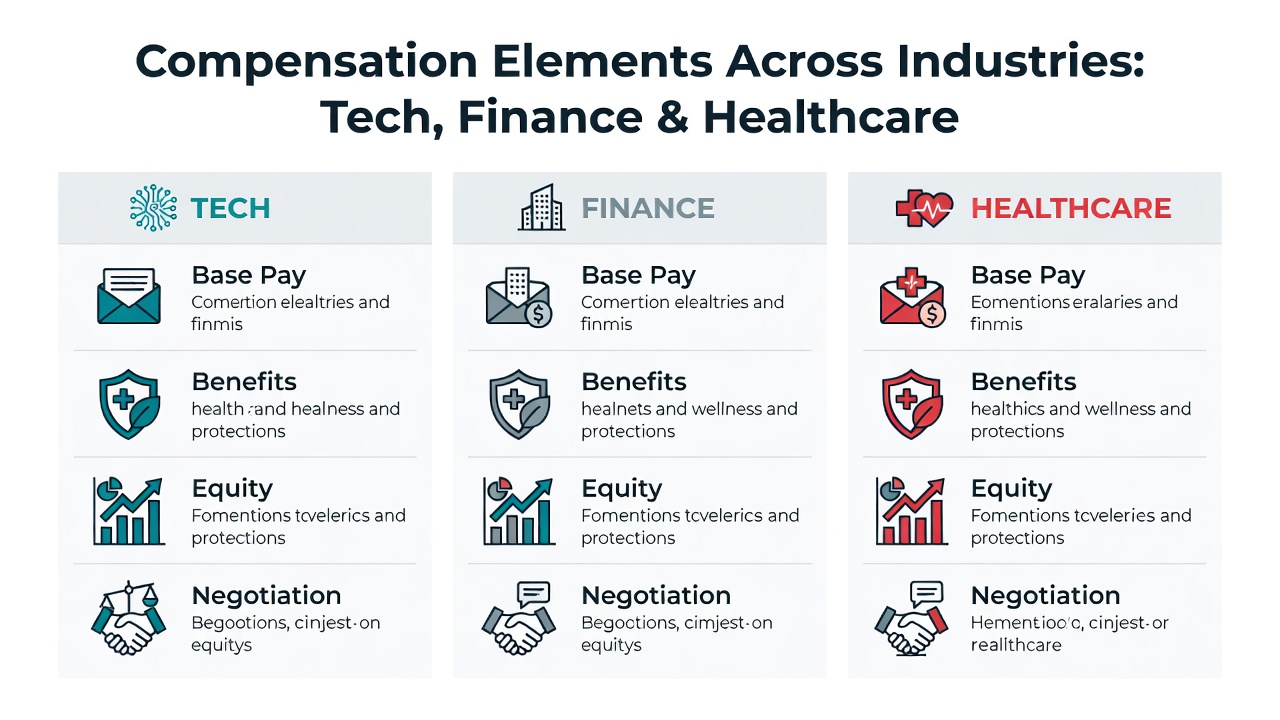
High-growth sectors continue to offer varied compensation structures. Technology and finance often lead in base pay, while healthcare and renewable energy emphasize long-term perks like equity and wellness benefits. Evaluating these requires looking beyond the number on the offer letter. For instance, tech roles frequently include stock options that can significantly boost earnings over time, but they come with volatility risks. Finance positions may offer substantial performance bonuses tied to company results, creating uncertainty in actual take-home pay. Healthcare professionals often receive robust health coverage and retirement matching that provide stability, even if base salaries appear moderate on paper. Renewable energy roles are seeing rapid growth in equity grants as companies scale, offering potential upside for early joiners. Trade-offs often involve accepting lower base pay for superior benefits packages that can add significant value over time. Professionals must weigh immediate cash flow against long-term wealth building when comparing opportunities across these fields.
| Industry | Base Pay Focus | Perks Emphasis | Negotiation Potential |
|---|---|---|---|
| Technology | High | Equity and bonuses | Strong for specialized skills |
| Finance | Very high | Performance incentives | Moderate with data backing |
| Healthcare | Moderate | Benefits and stability | High for specialists |
| Renewable Energy | Growing | Long-term equity | Emerging opportunities |
Understanding these nuances allows candidates to negotiate from a position of strength rather than accepting the first proposal presented.
Valuing Benefits and Total Compensation
Benefits valuation is essential for accurate comparisons. Health insurance, retirement contributions, and flexible work policies should be quantified using simple frameworks like annual cost equivalents. Professionals can calculate total compensation by summing base salary, expected bonuses, equity vesting, and perk values. Start by estimating the dollar value of employer-sponsored health plans, which can range from several thousand dollars annually depending on coverage level. Next, factor in 401(k) matches or pension contributions as guaranteed additions to your package. Remote work stipends or professional development allowances add further layers that many overlook during initial offer reviews. A practical tool involves creating a spreadsheet that assigns monetary values to each element, then comparing the grand total against your current role or competing offers. This approach reveals hidden advantages, such as generous parental leave policies that equate to months of paid time off. By systematically breaking down these components, you avoid the common error of fixating solely on base pay figures.
Salary Negotiation Tactics and Scripts
Effective negotiation starts with research and timing. Aim to discuss compensation after receiving an offer but before accepting. Use data to justify requests, such as market rates for similar roles. Begin by gathering information from authoritative sources like the U.S. Bureau of Labor Statistics to support your position with credible evidence. Timing matters greatly; initiate conversations once the employer has expressed strong interest, typically after the final interview stage. Prepare a script such as: "Based on my experience leading cross-functional teams and the market data for this role, I'm targeting a total package that includes a base adjustment plus performance incentives aligned with company goals." Another effective phrasing highlights value: "My background in driving 30% efficiency improvements positions me to deliver immediate impact, which aligns with the compensation range for top performers in this industry." Always frame requests around mutual benefit rather than personal needs to maintain a collaborative tone throughout discussions.
Real-World Negotiation Examples
One software engineer negotiated a 15% increase in base pay plus additional equity by presenting competing offers and emphasizing unique project contributions that reduced development timelines. This approach demonstrated clear value and prompted the employer to improve the initial proposal significantly. Another professional in consulting secured enhanced parental leave and professional development stipends instead of a higher salary, improving work-life balance while maintaining strong total compensation. In a third case, a marketing manager in the renewable energy sector successfully traded a portion of base pay for accelerated equity vesting after highlighting industry-specific expertise in regulatory compliance. These examples illustrate how tailoring the ask to personal priorities and company context leads to better results than generic requests for more money.
Step-by-Step Evaluation Framework
Follow this structured process to assess any compensation package thoroughly. First, assess your current total compensation including all perks by listing every element and assigning estimated values. Second, identify target roles and gather market insights from reliable government resources such as the U.S. Department of Labor. Third, calculate the value of proposed benefits using online calculators from trusted sites such as IRS.gov. Fourth, practice negotiation conversations with a mentor or career coach to refine your delivery and anticipate counteroffers. Fifth, review the final offer against your priorities list, ranking elements like cash compensation, flexibility, and growth opportunities. This framework prevents rushed decisions and ensures alignment with long-term career objectives.
Pay Raise Benchmarks and Industry-Specific Approaches
Annual raises typically align with performance and market adjustments. In competitive fields, proactive discussions during reviews can yield better outcomes. Focus on total rewards rather than base alone to avoid common pitfalls like overlooking equity dilution over multiple years. In technology, benchmark discussions often center on equity refreshers to maintain competitiveness. Finance professionals may emphasize bonus structures tied to measurable targets. Healthcare workers frequently negotiate for schedule flexibility or tuition reimbursement that supports ongoing certification. Approaching these conversations with documented achievements and external market data increases success rates substantially.
Common Mistakes to Avoid
Many professionals undervalue benefits or accept initial offers too quickly. Always request time to review and compare multiple elements of the package. Another frequent error involves failing to consider tax implications of certain perks, such as equity that may trigger capital gains obligations. Additionally, some candidates neglect to negotiate non-salary items like title changes or reporting structures that influence future earning potential. By preparing thoroughly and avoiding these traps, you maximize the likelihood of securing a package that truly reflects your market worth.
FAQ
How should equity be valued in offers?
Consider vesting schedules, company stage, and potential liquidity events when assessing equity components. Early-stage startups may offer larger grants with higher risk, while established firms provide more predictable but smaller allocations.
What benchmarks exist for bonuses?
Bonuses vary widely; focus on historical payout rates rather than targets alone. Review industry reports and ask about average actual disbursements during the interview process.
Can negotiation damage relationships?
When done professionally with data, it often demonstrates confidence and can strengthen the employer-employee dynamic. Employers expect candidates to advocate for fair compensation.
How do remote work policies factor into total compensation?
Remote arrangements can save thousands annually in commuting and office attire costs while improving retention, making them a valuable negotiating point in many industries.
Conclusion
Mastering the 2026 salary landscape involves balancing data, strategy, and personal priorities. By applying these frameworks and tactics, professionals can achieve meaningful wins in both new offers and existing roles. Leverage tools like total compensation calculators to make informed decisions that support long-term career growth and financial stability.


No comments yet. Be the first!