 Jobboy

Introduction to Crafting a Standout Resume
In today's competitive job market, your resume is your first impression on potential employers. But what do recruiters really look for? As hiring experts sift through hundreds of applications daily, they have clear preferences for what makes a resume shine. This article dives into top tips and insider secrets straight from recruiters, covering essential attributes, pitfalls to dodge, and strategies for tailoring your resume to specific roles. Whether you're a recent graduate or a seasoned professional, these insights can boost your chances of landing that coveted interview.
Recruiters often spend just seconds scanning a resume before deciding to read further. According to a study by LinkedIn, the average time is around 7.4 seconds. So, making every word count is crucial. Let's explore how to align your resume with what recruiters value most.
Key Attributes That Make Your Resume Stand Out
Recruiters aren't just looking for a list of jobs and duties; they want evidence of your impact and fit for the role. Here are the top attributes they prioritize:
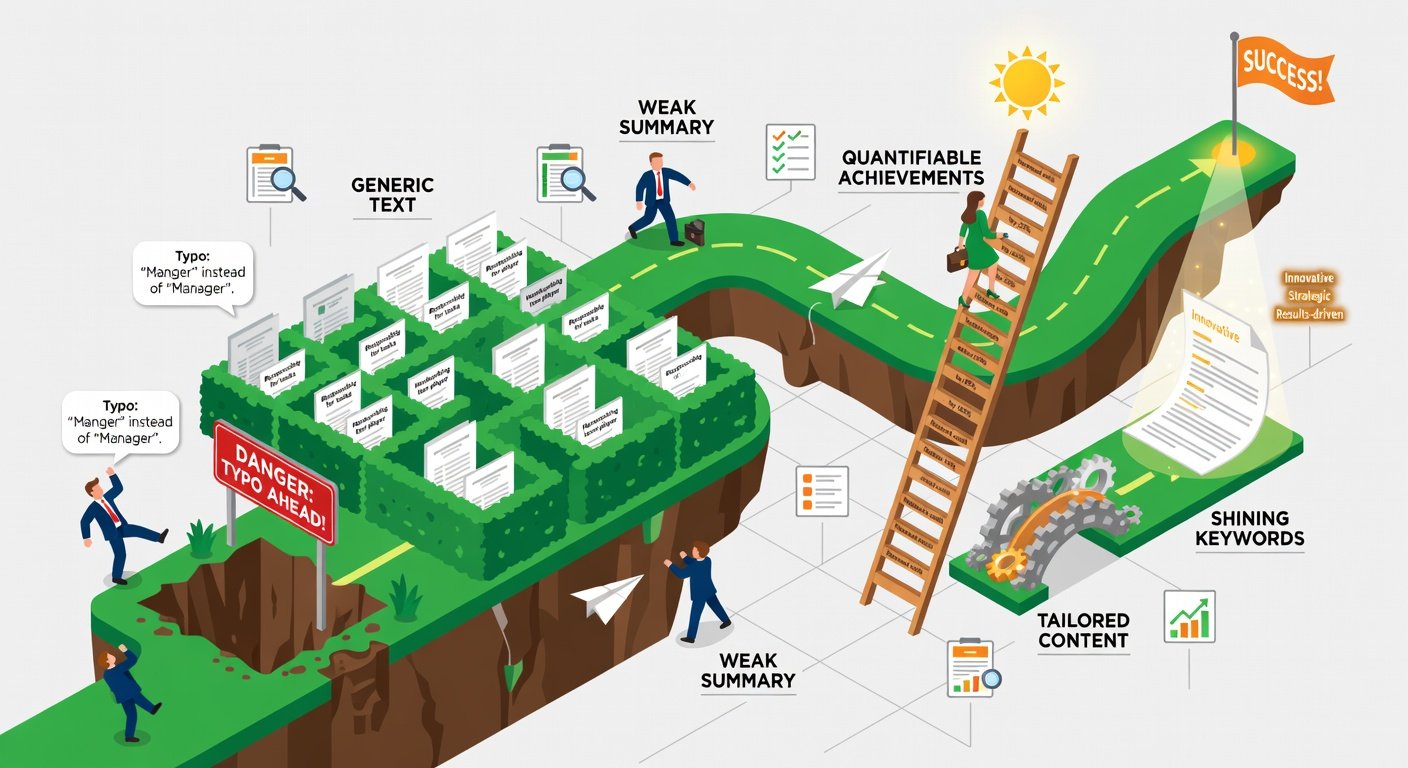
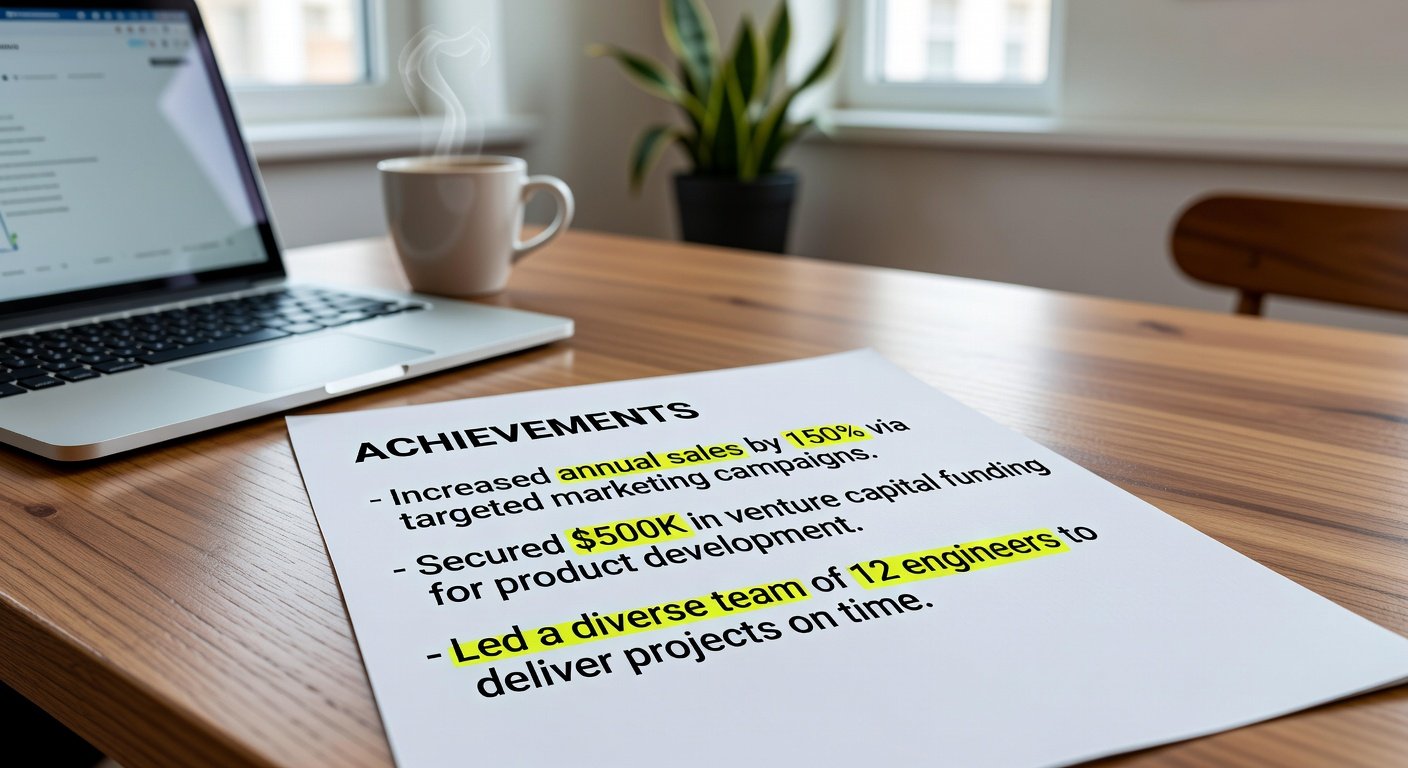
- Quantifiable Achievements: Numbers speak louder than words. Instead of saying "managed a team," say "led a 10-person team to increase sales by 25% in Q4." Recruiters love metrics because they demonstrate results. Focus on achievements from your past roles that align with the job description.
- Relevant Keywords: Many companies use Applicant Tracking Systems (ATS) to filter resumes. Incorporate industry-specific keywords from the job posting, such as "project management" or "data analysis," naturally into your experience section. This ensures your resume passes the initial digital gatekeeper.
- Clear Structure and Readability: A clean, professional format is non-negotiable. Use standard fonts like Arial or Calibri (10-12 pt), bold headings, and bullet points for easy scanning. Limit your resume to one page if you have under 10 years of experience; two pages max for more senior roles.
- Personalization and Storytelling: Tailor your summary or objective to reflect the company's needs. Recruiters appreciate when your resume tells a cohesive story of your career progression, showing growth and passion for the field.
One recruiter shared in a SHRM forum that resumes with a strong professional summary hook them immediately, setting the tone for the rest of the document.
Common Pitfalls to Avoid in Your Resume
Even the most qualified candidates can fall into resume traps that lead to rejection. Recruiters see these mistakes daily and advise steering clear to keep your application in the running.
- Generic Templates Without Customization: Submitting the same resume to every job screams laziness. Recruiters can spot a one-size-fits-all approach from a mile away. Always tweak your content to match the role's requirements.
- Typos and Grammatical Errors: Nothing undermines your professionalism faster than spelling mistakes. Proofread multiple times or use tools like Grammarly. A recruiter might overlook one error, but multiple? That's an instant no.
- Overloading with Irrelevant Information: Listing every job since high school or unrelated hobbies dilutes your message. Focus on the last 10-15 years and experiences that pertain to the position. If you're changing careers, highlight transferable skills.
- Poor Formatting and Design Flair: Fancy graphics or colors might seem creative, but they often confuse ATS software and distract recruiters. Stick to simple, ATS-friendly designs. Avoid tables, images, or unusual fonts that could garble your content.
- Lack of Action Verbs: Starting bullets with passive phrases like "Responsible for" is a yawn. Use dynamic verbs like "orchestrated," "optimized," or "innovated" to convey energy and proactivity.
Avoiding these pitfalls isn't just about dodging red flags; it's about showcasing your attention to detail—a skill every employer values.
How to Tailor Your Resume for Specific Job Applications
Tailoring isn't optional; it's essential for standing out. Recruiters can tell when you've put in the effort to customize, and it signals genuine interest in the role. Here's a step-by-step guide:
Step 1: Analyze the Job Description
Read the posting carefully. Identify core skills, qualifications, and buzzwords. For example, if the job emphasizes "agile methodologies," weave that into your experience if applicable.
Step 2: Prioritize Relevant Experience
Reorder your work history to highlight the most pertinent roles first. If applying for a marketing position, lead with your marketing gigs, even if they're not your most recent.
Step 3: Customize Your Professional Summary
Craft a 3-5 sentence overview that mirrors the job's language. For a sales role: "Dynamic sales professional with 8+ years driving revenue growth in tech sectors, seeking to leverage expertise in CRM tools at [Company Name]."
Step 4: Match Skills to Requirements
Create a skills section listing 6-10 proficiencies that directly address the job. Use the exact phrasing from the description where possible, like "Proficient in Salesforce and HubSpot."
Step 5: Quantify and Align Achievements
For each bullet, ask: Does this show how I'd add value here? Adapt examples to fit the company's context. If they value customer retention, emphasize your retention metrics.
Recruiters from Indeed report that tailored resumes are 30% more likely to result in callbacks. Invest the time—it's worth it.
Additional Insider Secrets from Recruiters
Beyond the basics, here are lesser-known tips that can give you an edge:
- Include Soft Skills Strategically: While technical skills get you in the door, soft skills like "team collaboration" or "problem-solving" seal the deal. Back them with examples, not just claims.
- Leverage Referrals in Your Resume: If you have a mutual connection, mention it subtly in your cover letter, but a note in the resume header can work too.
- Optimize for Mobile Viewing: Many recruiters review on phones. Ensure your PDF version renders well on small screens with ample white space.
- Update Regularly: Keep your LinkedIn profile synced with your resume. Recruiters cross-check, and inconsistencies raise flags.
- Seek Feedback: Run your resume by a mentor or use online communities for critiques. Fresh eyes catch what you miss.
One veteran recruiter emphasized that passion shines through when your resume reflects enthusiasm for the industry, not just the paycheck.
Conclusion: Elevate Your Resume Game Today
Armed with these recruiter-approved tips, you're ready to transform your resume from ordinary to exceptional. Focus on relevance, clarity, and impact while avoiding common errors. Tailoring each application shows dedication, increasing your interview odds significantly. Start by revising your current resume with these strategies, and watch opportunities unfold. Your dream job is just a standout resume away—go make it happen!

No comments yet. Be the first!