 Jobboy
Understanding Resumes and CVs in the 2026 Job Market
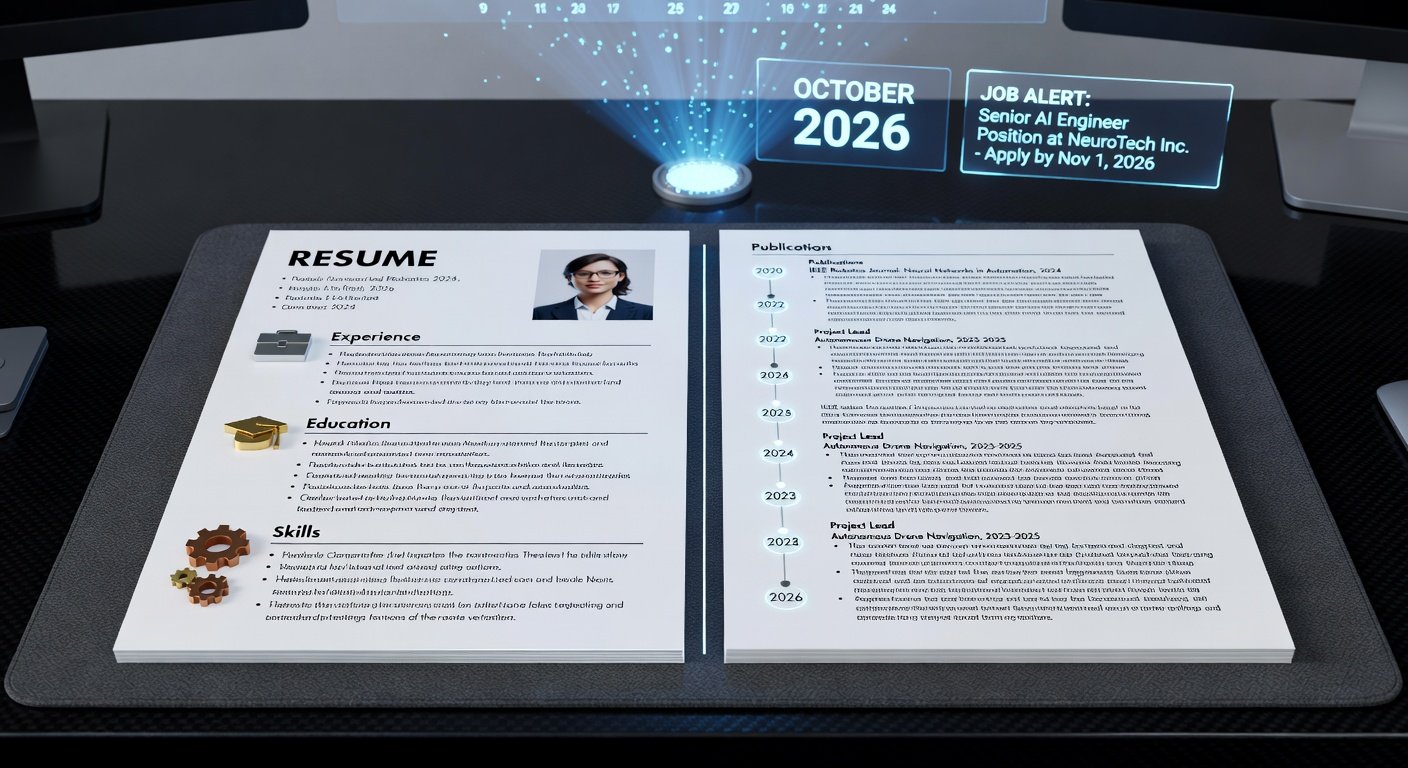
In the evolving landscape of 2026's job market, where AI-driven hiring tools and remote work dominate, knowing the difference between a resume and a curriculum vitae (CV) is crucial for professionals at any career stage. While the terms are often used interchangeably, especially outside the U.S., they serve distinct purposes. A resume is a concise snapshot of your professional life tailored to specific job applications, whereas a CV is a comprehensive document detailing your entire career history. This article dives deep into their differences, provides practical writing tips, addresses Applicant Tracking Systems (ATS) considerations, and offers real-world examples to help you choose and craft the right format for maximum impact.
As automation and data analytics shape recruitment— with over 70% of large companies using ATS software according to recent industry reports—optimizing your document for both human recruiters and machines has never been more important. Whether you're a recent graduate entering tech or a seasoned executive pivoting industries, understanding these nuances can make or break your application.
Key Differences Between Resumes and CVs
The primary distinctions lie in length, structure, content depth, and intended use. Let's break them down systematically.
Length and Structure
Resumes are typically one to two pages long, designed for brevity and scannability. In 2026, with recruiters spending an average of just 7-10 seconds on initial reviews, a resume's structure emphasizes clarity: contact information at the top, followed by a professional summary, work experience (in reverse chronological order), skills, education, and optional sections like certifications or volunteer work. Use bullet points, bold headings, and quantifiable achievements to keep it punchy.
In contrast, CVs can span three pages or more, often without a strict page limit. They follow a more narrative or detailed format, including full publication lists, detailed research descriptions, or extensive professional affiliations. For global applications, especially in academia or Europe, CVs might incorporate personal details like nationality or marital status, though this is fading due to privacy laws like GDPR.
Content Focus
Resume content is selective and job-specific. Tailor it to highlight relevant experiences that align with the job description—omit unrelated jobs from a decade ago unless they add unique value. Focus on achievements with metrics: "Increased sales by 40% through targeted campaigns" beats a vague "Managed sales team."
CVs, however, are exhaustive. They include every job, publication, award, and skill, regardless of relevance. In fields like medicine or research, a CV might list all conference presentations, grants received, and teaching evaluations. This comprehensiveness suits roles where a full career trajectory is evaluated, such as professorships or international consulting.
Ideal Use Cases in 2026
For most corporate, tech, and entry-level roles in the U.S. and Canada, stick to a resume. It's the standard for quick applications via platforms like LinkedIn or Indeed. In 2026, with hybrid work models, resumes shine for showcasing adaptable skills like AI tool proficiency or remote collaboration.
CVs are preferred in academia, research, healthcare, and international markets (e.g., UK, Australia, or EU countries). If applying for a grant-funded project or a senior academic position, a CV provides the depth needed to demonstrate expertise. Note: In the U.S., "CV" often specifically means an academic or medical resume equivalent, not the international version.
Practical Tips for Writing Resumes and CVs
Crafting an effective document requires strategy. Here are actionable tips tailored for 2026's digital-first hiring.
Tips for Resumes
- Customize Ruthlessly: Analyze the job posting for keywords like "Python proficiency" or "agile methodology" and weave them in naturally. Tools like Jobscan can help, but manual review ensures authenticity.
- Quantify Everything: Use numbers to show impact—e.g., "Led a team of 15 to deliver projects 20% under budget." This appeals to data-driven recruiters.
- Incorporate 2026 Trends: Highlight skills in emerging areas like sustainable practices, AI ethics, or virtual reality integration. For remote roles, emphasize tools like Slack, Zoom, or Notion.
- Design for Readability: Opt for clean fonts (Arial or Calibri, 10-12 pt), 1-inch margins, and PDF format to preserve layout across devices.
Tips for CVs
- Organize Chronologically: List experiences in reverse order, but group similar items (e.g., all publications under one heading) for flow.
- Balance Detail with Brevity: While comprehensive, use subheadings and abstracts for lengthy sections like research summaries to avoid overwhelming readers.
- Include Global Elements: For international applications, add language proficiencies with CEFR levels (e.g., C1 in Spanish) or professional memberships.
- Update Regularly: Treat your CV as a living document; add new achievements quarterly to keep it current.
For further guidance on resume best practices, check out resources from the Society for Human Resource Management (SHRM), a leading authority on HR trends.
ATS Considerations for 2026 Applications
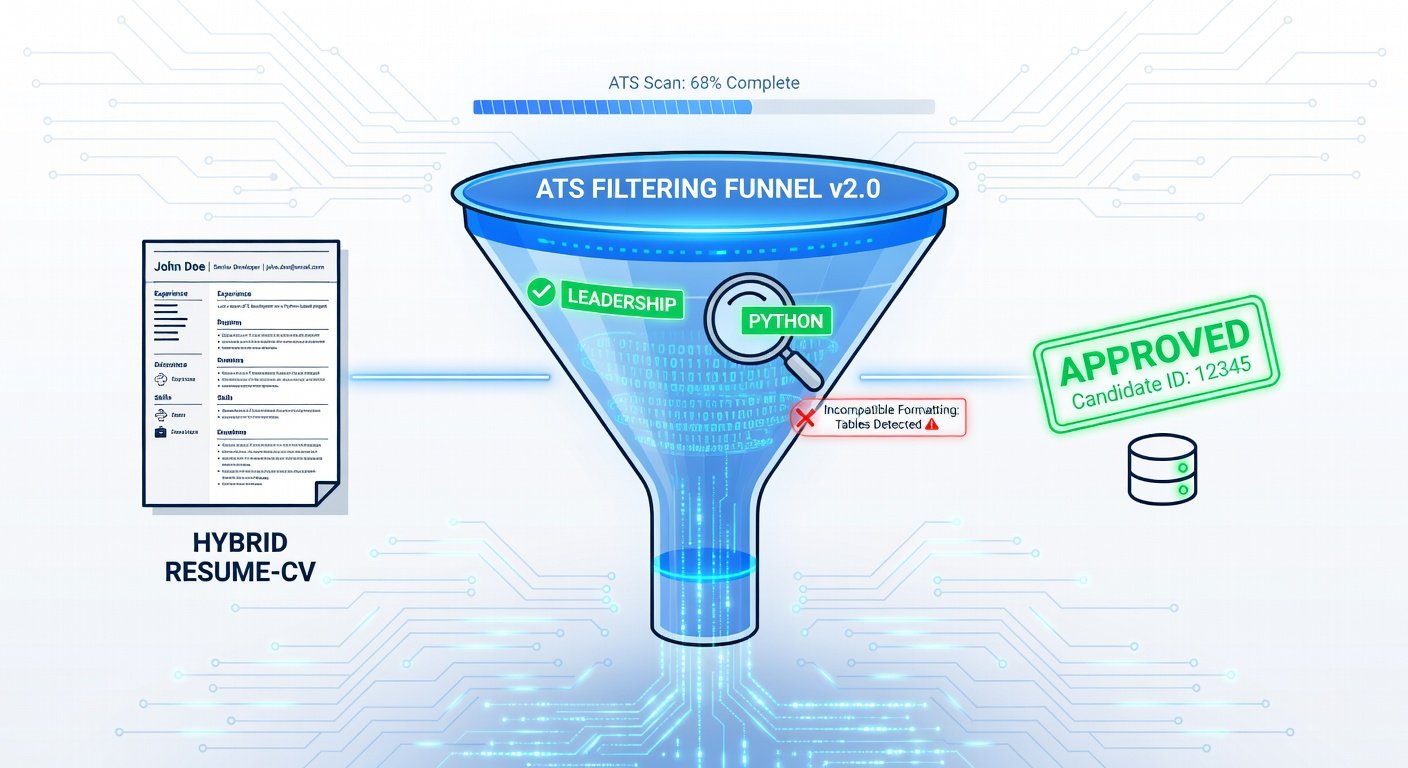
By 2026, over 99% of Fortune 500 companies use ATS to filter applications, parsing documents for keywords and formatting compatibility. Ignoring this can land your file in the digital trash bin.
Optimizing for ATS
- Use Standard Formatting: Avoid tables, images, or fancy graphics in resumes; they confuse parsers. Stick to simple headings like "Work Experience" instead of creative ones like "Career Journey."
- Incorporate Keywords Strategically: Mirror the job description— if it mentions "data analysis," include it verbatim in your skills or experience sections. Aim for 2-3% keyword density without stuffing.
- Choose ATS-Friendly File Types: Submit as .docx or PDF (text-based, not scanned). Test your document with free ATS simulators online.
- Handle Length in CVs: For CVs submitted via ATS (rare but possible), prioritize the first two pages with key info; parsers may truncate longer files.
A common pitfall: Over-designing for visual appeal at the expense of parseability. Always create two versions—one ATS-safe for uploads and a polished PDF for networking. For in-depth ATS strategies, explore courses on Coursera, which offers certifications from top universities.
Real-World Examples: Switching Formats
Consider Sarah, a mid-level software engineer applying for a U.S. tech role. Her resume: One page, focusing on 5 years of experience with React and AWS, quantifying deployments ("Optimized code for 30% faster load times"). She lands interviews quickly.
Now, Dr. Raj, a researcher seeking a European academic post. His CV: Five pages, including 20+ publications, detailed grant histories, and conference abstracts. This depth secures a fellowship, where a resume would seem insufficient.
For professionals switching: If you're in academia eyeing corporate, condense your CV into a resume by selecting top achievements. Reverse for corporate folks entering research—expand with full project details. Example pitfall: Using a U.S.-style resume abroad, omitting required sections like references, leading to automatic rejection.
Common Pitfalls and How to Avoid Them
- Mixing Formats: Don't submit a CV when a resume is expected; it may overwhelm recruiters. Research company norms via Glassdoor reviews.
- Neglecting Localization: In 2026's global market, adapt for regions—e.g., include a photo in German CVs if culturally appropriate, but skip in U.S. resumes to avoid bias.
- Ignoring Metrics: Vague descriptions like "Handled customer service" fail; always add impact ("Resolved 500+ queries monthly, boosting satisfaction by 25%").
- Outdated Tech Skills: List current tools; in 2026, mentioning obsolete software dates you. Update with trends from sources like the U.S. Bureau of Labor Statistics.
Another trap: Typos or inconsistencies, amplified by AI spell-checkers. Proofread with tools like Grammarly, then have a peer review.
Conclusion: Choose the Right Tool for Your Career Goals
In 2026, the resume vs. CV decision hinges on your industry, location, and role. Resumes excel for targeted, fast-paced applications, while CVs provide the breadth for specialized or international opportunities. By tailoring content, optimizing for ATS, and avoiding common errors, you'll position yourself as a standout candidate. Start by auditing your current document against these guidelines, and remember: the best format is the one that tells your story effectively. For ongoing career advice, network on platforms like LinkedIn and stay adaptable in this dynamic job market.
No comments yet. Be the first!