 Jobboy
Introduction to Pairing Your Cover Letter and Resume
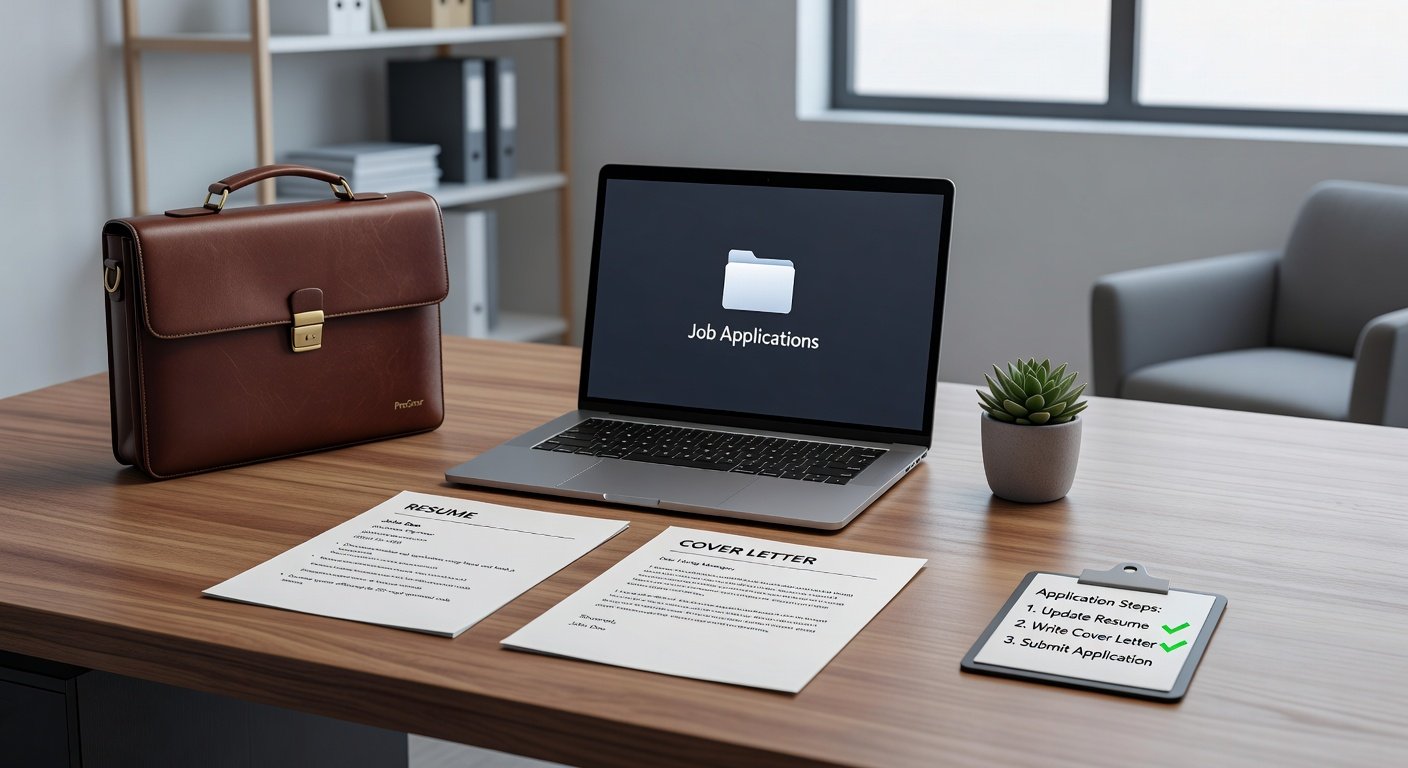
In today's competitive job market, your resume and cover letter are your first impression on potential employers. While a resume lists your skills and experiences in a concise format, a cover letter provides context, personality, and a narrative that ties everything together. Writing a cover letter that complements your resume isn't just about repetition—it's about enhancement. This guide will walk you through the process step by step, ensuring your application stands out. We'll cover essential structures, personalization techniques, matching key achievements, consistent formatting, and tailoring to job descriptions. Plus, we'll explore emerging 2026 trends like the emphasis on hybrid remote work. By the end, you'll have practical examples, templates, and tips to integrate both documents seamlessly.
Why bother pairing them effectively? Recruiters spend an average of just 7.4 seconds scanning a resume, according to a study by Ladders. A well-paired cover letter can extend that attention, highlighting why you're the ideal fit. Let's dive in.
Understanding the Role of a Cover Letter
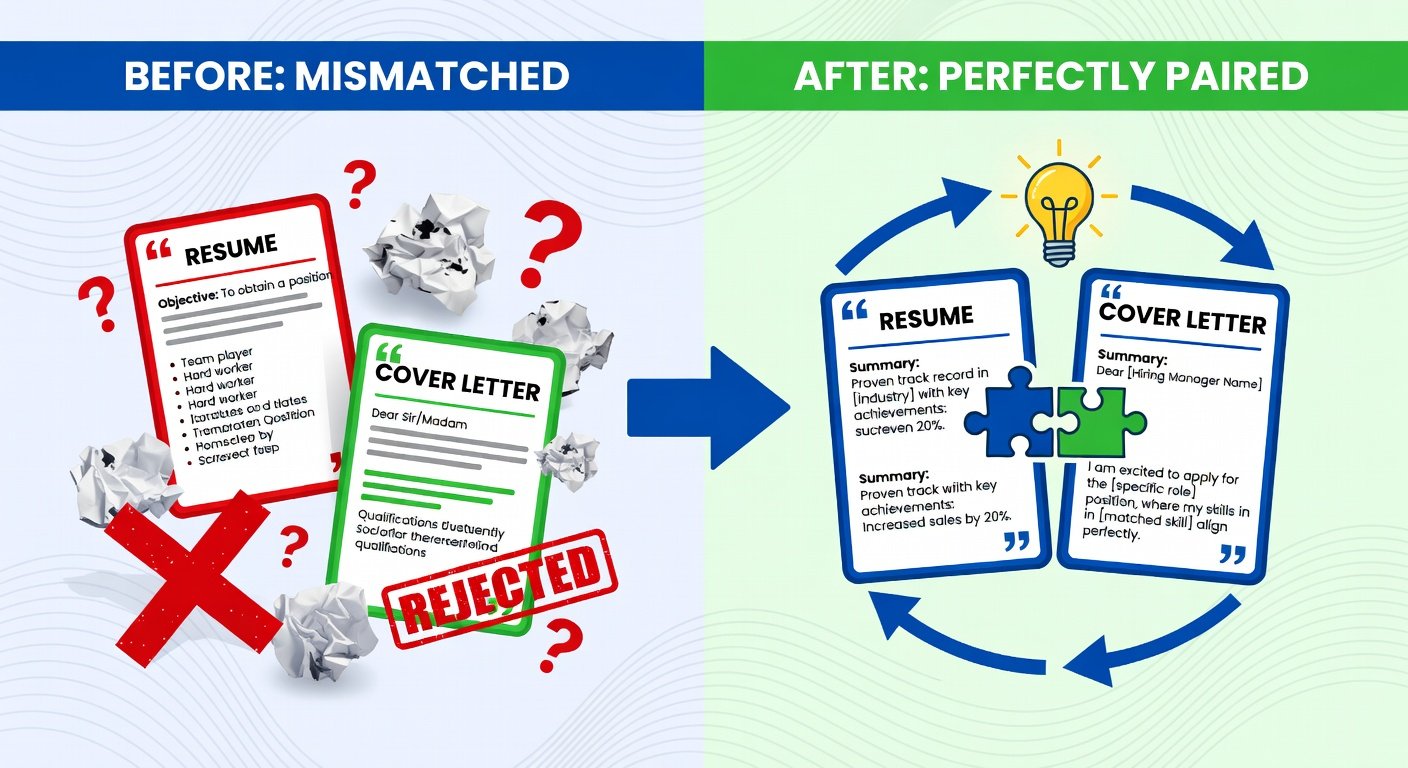
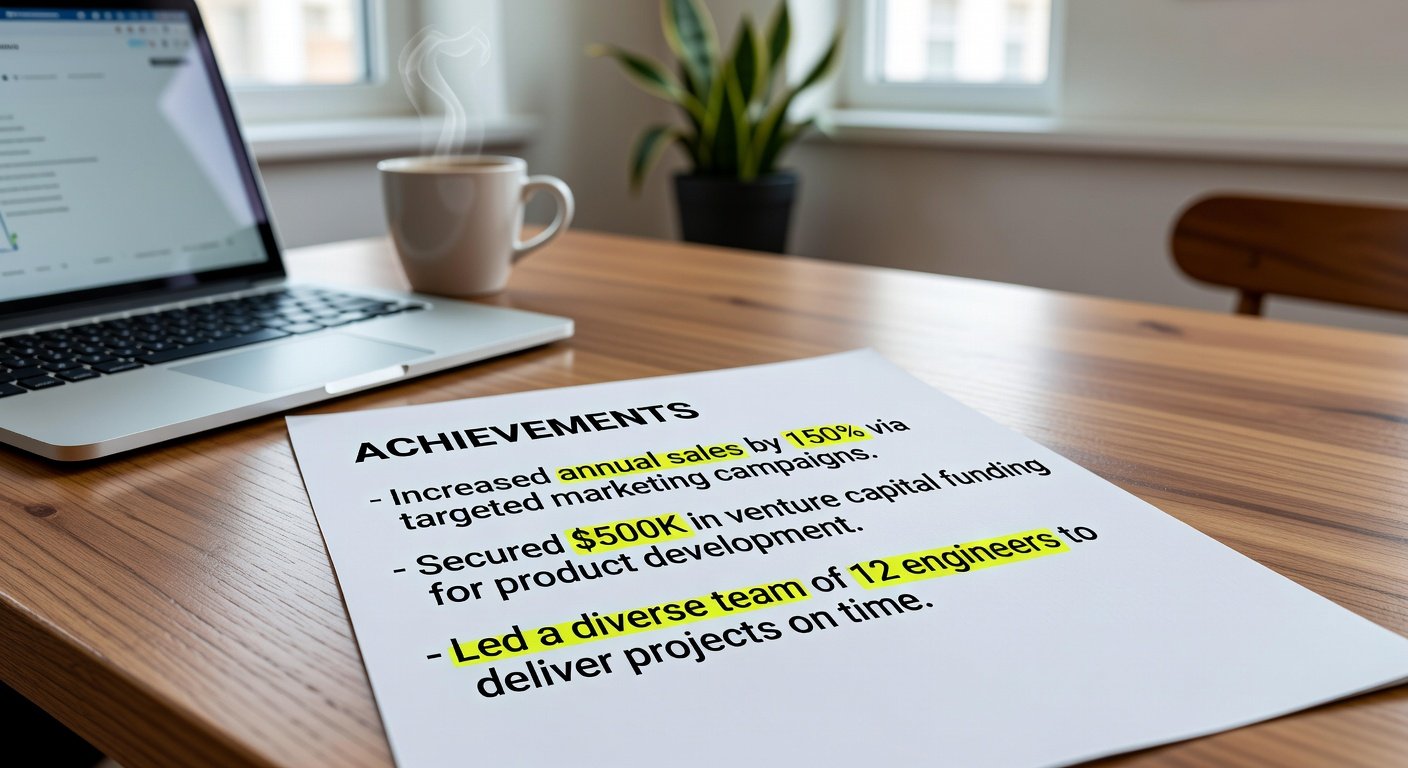
A cover letter is your opportunity to expand on your resume. It shouldn't echo every bullet point but rather select 2-3 key achievements and explain their relevance to the job. Think of it as a bridge: the resume is the blueprint, and the cover letter is the story that brings it to life.
Key differences include:
- Resume: Factual, achievement-focused, no pronouns.
- Cover Letter: Narrative, uses 'I' statements, shows enthusiasm and fit.
To complement your resume, reference specific elements from it without copying verbatim. For instance, if your resume mentions 'Increased sales by 30%,' the cover letter could elaborate: 'In my role at XYZ Corp, I led a team to boost sales by 30% through innovative digital strategies, directly aligning with your company's growth goals.'
Step-by-Step Guide to Crafting Your Cover Letter
Step 1: Research and Personalize
Start by tailoring your cover letter to the job and company. Read the job description carefully and identify keywords like 'team collaboration' or 'data analysis.' Mirror these in your letter to pass applicant tracking systems (ATS).
Personalization goes beyond 'Dear Hiring Manager.' Use LinkedIn or the company website to find the recruiter's name. For example, 'Dear Ms. Johnson,' shows effort. Mention something specific about the company, such as a recent project: 'I was excited to see your launch of the EcoLine product, as my experience in sustainable design at ABC Firm mirrors that innovation.'
Avoid generic templates—customization increases response rates by up to 30%, per career experts.
Step 2: Structure Your Cover Letter
A strong cover letter follows a clear structure: header, salutation, introduction, body (2-3 paragraphs), conclusion, and sign-off. Keep it to one page, 250-400 words.
- Header: Include your contact info, date, and employer's details. Match the formatting to your resume for consistency—same font (e.g., Arial 10-12pt), margins (0.5-1 inch), and color scheme if applicable.
- Salutation: Personalized as above.
- Introduction (3-5 sentences): State the position and how you found it. Hook with a strong opener: 'As a marketing professional with 5 years of experience driving ROI, I was thrilled to apply for the Digital Strategist role at Innovate Tech.'
- Body Paragraphs: Dedicate one to your relevant experience, linking to resume highlights. Another for skills and enthusiasm. Use quantifiable achievements: 'Managed a $500K budget, resulting in 25% cost savings.'
- Conclusion: Reiterate interest, mention next steps: 'I look forward to discussing how my skills can contribute to your team.'
- Sign-off: 'Sincerely,' followed by your name.
Ensure consistent language. If your resume uses action verbs like 'orchestrated' or 'optimized,' incorporate similar ones in the cover letter.
Step 3: Match Key Achievements with Your Resume
The magic happens when your cover letter amplifies resume points. Select 2-3 achievements that align with the job. For a project manager role:
- Resume bullet: 'Led cross-functional team to deliver project under budget by 15%.'
- Cover letter expansion: 'By implementing agile methodologies, I not only met deadlines but also fostered a collaborative environment that reduced turnover by 10%, skills I'd bring to your dynamic projects.'
This creates cohesion without redundancy. Avoid listing everything—focus on storytelling.
Step 4: Tailor to Job Descriptions and ATS Optimization
Every application should be customized. Pull keywords from the job posting and weave them in naturally. For ATS, use standard headings and avoid fancy graphics.
Pro tip: If applying via email, use your resume filename (e.g., 'JohnDoe_Resume.pdf') and attach the cover letter as 'JohnDoe_CoverLetter.pdf' for easy pairing.
Real-World Examples and Templates
Let's look at examples for different industries.
Example 1: Marketing Role
Template Structure:
Dear [Hiring Manager's Name],
Introduction: Express interest and briefly state qualifications.
Paragraph 1: Highlight a key achievement from resume, e.g., 'My campaign at DEF Agency generated 50,000 leads, surpassing targets by 20%.'
Paragraph 2: Connect to company needs: 'Your focus on content marketing aligns with my expertise in SEO and analytics.'
Conclusion: Call to action.
Sincerely,
[Your Name]
For a software engineer: Emphasize technical skills like 'Developed scalable apps using Python and AWS, reducing load times by 40%.'
Example 2: Entry-Level Position
If you're a recent grad, focus on internships or coursework: 'During my internship at GHI Corp, I analyzed data sets that informed strategic decisions, much like the analytical role at your firm.'
Downloadable templates are available on sites like Indeed's career advice section, but always customize them.
Common Mistakes to Avoid
To ensure your cover letter complements your resume effectively:
- Mistake 1: Repeating the resume verbatim—recruiters want insights, not recaps.
- Mistake 2: Inconsistent formatting—mismatched fonts or styles confuse ATS and readers.
- Mistake 3: Being too generic—always personalize to show genuine interest.
- Mistake 4: Ignoring keywords—tailor to beat ATS filters.
- Mistake 5: Typos or poor grammar—proofread multiple times or use tools like Grammarly.
Another pitfall: Overlength. Keep it concise to respect busy hiring managers.
2026 Trends in Cover Letters and Resumes
As we approach 2026, job applications are evolving with the rise of hybrid and remote work. Emphasize adaptability: 'Proven ability to thrive in hybrid environments, managing remote teams via tools like Slack and Zoom.'
AI integration is key—mention experience with AI tools for efficiency. Sustainability and DEI (Diversity, Equity, Inclusion) are hot topics; highlight relevant contributions.
According to the U.S. Bureau of Labor Statistics, remote-capable jobs will grow by 25% by 2026. Tailor your pairing to showcase virtual collaboration skills.
For more on labor trends, visit the U.S. Bureau of Labor Statistics homepage.
Practical Tips for Seamless Integration
Formatting Consistency: Use the same header design, font, and bullet styles. If your resume is in PDF, so should the cover letter.
Submission Best Practices: When emailing, paste the cover letter in the body and attach the resume. For online forms, upload both as specified.
Tools to Use: Canva for design, Google Docs for drafting, and LinkedIn for networking insights. Check out LinkedIn for job-specific advice.
FAQs
Q: Do I need a cover letter if the job says 'optional'?
A: Yes—it's a chance to stand out, especially in competitive fields.
Q: How do I handle employment gaps?
A: Address briefly in the cover letter: 'After a career break to pursue professional development, I'm eager to bring refreshed skills to your team.'
Q: What's the best file format?
A: PDF to preserve formatting across devices.
Conclusion
Mastering how to write a cover letter that complements your resume is a game-changer for your job search. By focusing on personalization, structure, achievement matching, and trends like hybrid work, you'll create a cohesive application that captures attention. Remember, it's not just about what you've done, but how you connect it to the employer's needs. Start drafting today—refine with examples from this guide, and watch your applications transform. For further reading on resume best practices, explore resources on The Muse.
No comments yet. Be the first!