 Jobboy
Introduction
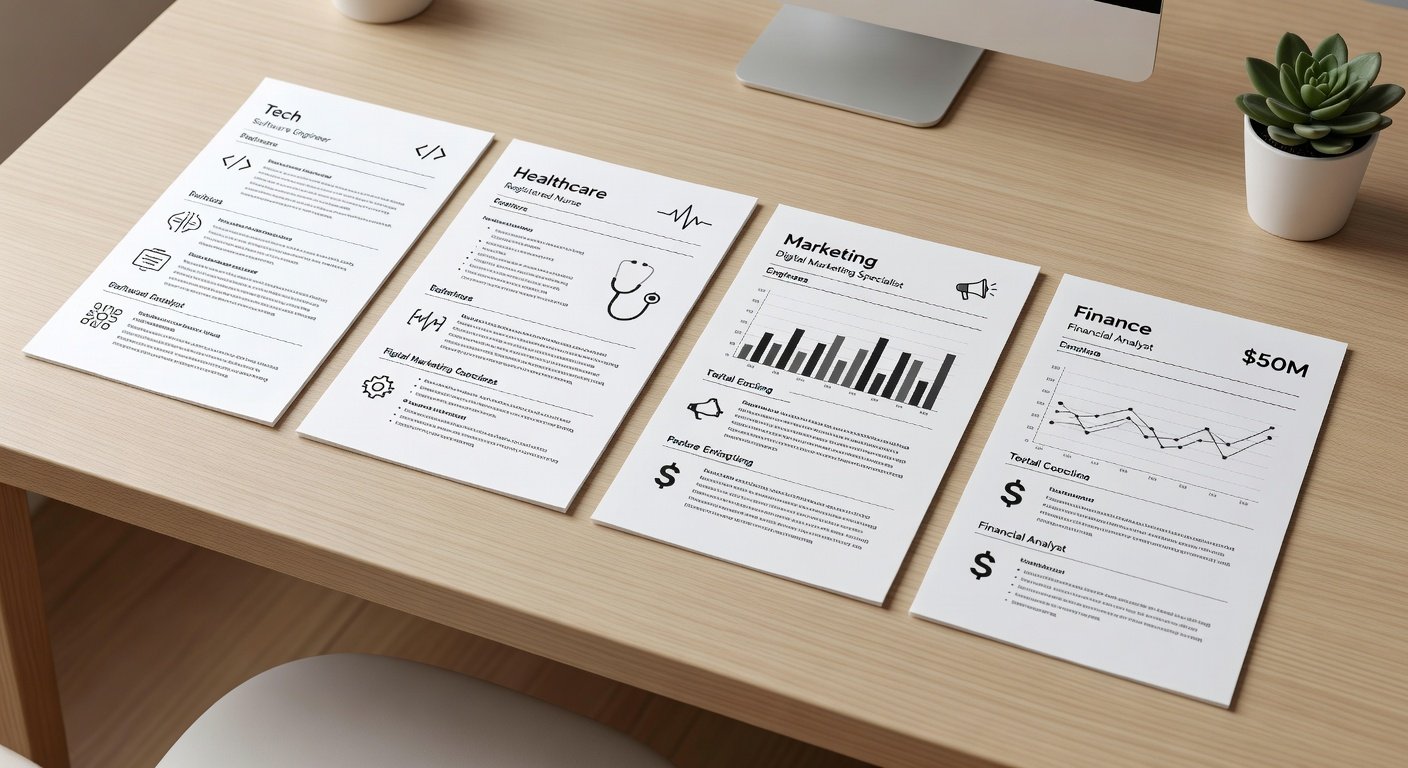
Job seekers searching for resume examples across industries want more than generic templates. They need concrete, section-by-section breakdowns that show exactly how structure and content adapt to different roles. This guide examines real-world samples for tech, healthcare, marketing, and finance positions, highlighting what makes each version effective and why certain choices lead to more interview callbacks. Readers typically seek these examples to understand transferable skills, readability-focused formatting, and bullet-point customization that aligns with specific job descriptions. By studying these targeted samples, candidates can move beyond basic advice and create documents that speak directly to hiring managers in their chosen field.
Many professionals start with a general resume and then wonder why it fails to stand out. The key lies in adapting the layout, language, and emphasis for each industry while maintaining a professional core. This article breaks down four distinct examples with before-and-after versions, practical steps for implementation, and strategies for showcasing transferable abilities across career moves.
Why Industry-Specific Resume Examples Matter
Recruiters spend an average of seven seconds scanning a resume. A one-size-fits-all approach fails because hiring managers look for domain-specific keywords, achievements, and formatting conventions that signal immediate fit. Using targeted examples helps candidates demonstrate relevance while still showcasing broader professional strengths. For instance, a tech role may prioritize tools and metrics, whereas healthcare values compliance and patient outcomes. Understanding these nuances prevents common pitfalls like overloading a resume with irrelevant details or using vague language that fails to impress specialists.
Search intent behind queries for resume examples often includes a desire for side-by-side comparisons. Users want to see not only polished versions but also explanations of the changes made and the reasoning behind them. This deeper approach builds confidence for beginners adapting their first professional document and provides intermediate job seekers with advanced tailoring techniques.
Tech Resume Example: Software Engineer
Tech resumes prioritize technical skills, project impact, and tools. Clean, minimalist formatting with clear section headers improves ATS compatibility and allows quick scanning by engineering leads. Begin with a professional summary that includes years of experience and core technologies, followed by a dedicated skills section listing programming languages, frameworks, and methodologies.
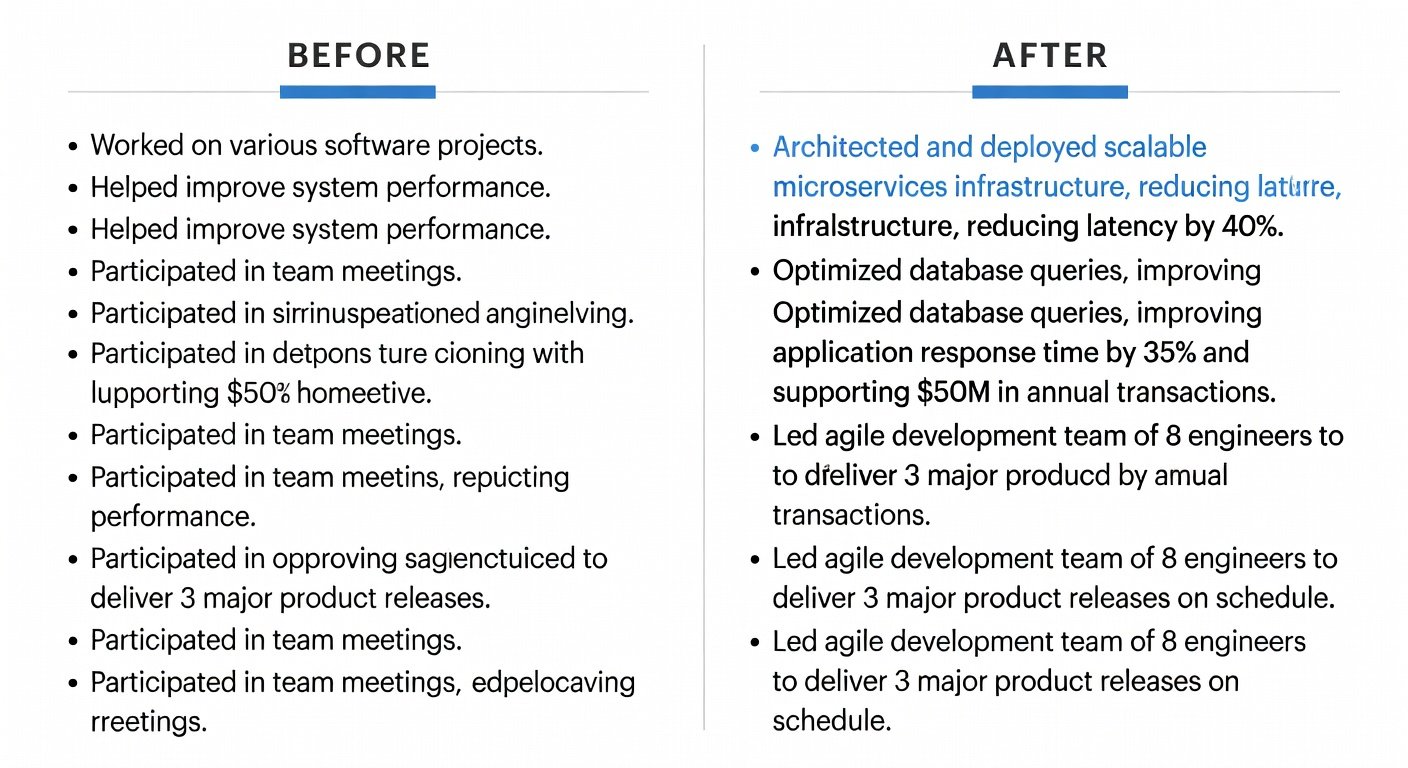
Before: "Developed software applications and worked on team projects."
After: "Built scalable microservices using Python and AWS that reduced API latency by 40% and supported 2 million monthly users, collaborating with cross-functional teams to meet quarterly sprint goals."
Key sections include a skills matrix at the top, followed by quantified project bullets. Transferable skills such as problem-solving and collaboration are woven into achievement statements rather than listed generically. Add links to GitHub repositories or portfolio sites under each project to provide deeper context for reviewers.
Healthcare Resume Example: Registered Nurse
Healthcare resumes emphasize certifications, patient outcomes, and regulatory compliance. Including license numbers and specific clinical settings adds credibility and helps hiring managers verify qualifications quickly. Start with a licenses and certifications section near the top, then move into clinical experience with detailed patient-care achievements.
Before: "Provided patient care and assisted doctors."
After: "Delivered post-operative care to 25+ patients daily in a Level I trauma center, maintaining 98% compliance with Joint Commission standards while mentoring three new graduate nurses on unit protocols."
Formatting choices such as bolding license credentials and using a two-column layout for skills versus experience enhance quick scanning by nurse managers. Practical tip: Always list certifications with expiration dates and renewal information to demonstrate ongoing professional development.
Marketing Resume Example: Content Strategist
Marketing resumes highlight campaign results, audience growth metrics, and creative tools. Storytelling combined with data resonates best with hiring teams seeking measurable brand impact. Open with a summary that mentions key platforms and campaign types, then detail results in reverse chronological order.
Before: "Managed social media accounts and wrote blog posts."
After: "Led content strategy that grew organic traffic 185% year-over-year and increased email open rates from 22% to 47% across three product lines, resulting in 12,000 new leads through targeted SEO and influencer partnerships."
Transferable skills like audience research and SEO appear naturally within results-driven bullets. Include a portfolio link or case-study summaries at the bottom for creative roles. Common mistakes to avoid include focusing too heavily on responsibilities instead of outcomes and neglecting to mention specific tools such as Google Analytics or HubSpot.
Finance Resume Example: Financial Analyst
Finance resumes focus on analytical rigor, regulatory knowledge, and quantifiable financial impact. Precision in language and numbers is essential for roles that involve reporting and forecasting. Lead with education and certifications like CFA or CPA if applicable, then detail experience with clear financial metrics.
Before: "Analyzed financial data and prepared reports."
After: "Conducted variance analysis on $50M portfolio, identifying cost-saving opportunities that improved net margins by 3.2 percentage points in Q4 and presented findings to senior leadership for strategic decision-making."
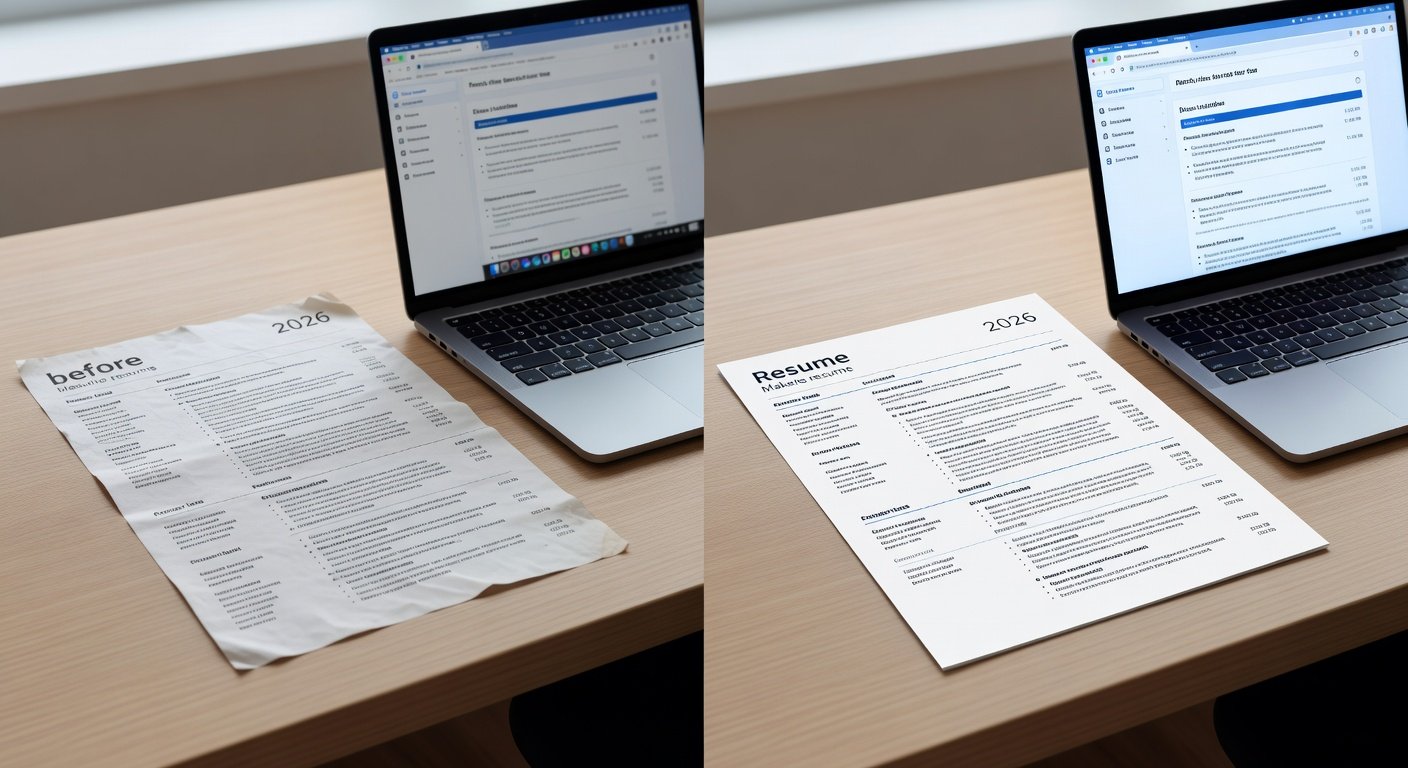
Side-by-side formatting comparisons reveal that finance roles benefit from traditional chronological layouts with prominent education and certification sections. Use tables sparingly for skills to maintain ATS readability while showcasing advanced Excel or modeling proficiencies.
Highlighting Transferable Skills Across Industries
Transferable skills form the bridge when moving between fields or applying to roles with overlapping requirements. For example, data analysis from a finance background can translate directly to marketing campaign performance tracking. List these abilities in a dedicated skills section and reinforce them through achievement bullets in the experience area. Practical steps include reviewing the target job description for repeated keywords, then mapping your past accomplishments to those terms using action verbs and metrics.
Formatting Choices That Improve Readability
- Use 10–12 pt font for body text and 14–16 pt for headers to ensure clarity across devices
- Maintain 0.5–0.75 inch margins to avoid cramping while maximizing content space
- Apply consistent bullet alignment and spacing throughout all sections
- Leverage subtle color accents only for section dividers in creative fields like marketing
- Incorporate white space strategically to prevent a cluttered appearance
These choices help both human readers and applicant tracking systems process the document efficiently.
Tailoring Bullet Points to Job Descriptions
Effective tailoring starts with extracting 5–7 key phrases from the job posting. Rewrite each bullet to incorporate those phrases naturally while preserving authenticity. For instance, if a tech posting emphasizes "agile methodologies," replace generic team language with specific agile sprint outcomes. This technique increases keyword density without stuffing and demonstrates genuine alignment with the role.
Downloadable Annotated Templates
Professionals can adapt the structures shown above into their own documents. Start by copying the section order and bullet style from the most relevant industry example, then swap in personal achievements. Annotated templates typically include margin notes explaining why each element was chosen and how it addresses common recruiter questions.
Common Questions About Resume Length, Design, and 2026 Trends
How long should a resume be in 2026? One page remains ideal for most professionals with under 10 years of experience; two pages are acceptable for senior roles with extensive achievements and multiple relevant projects.
Should I use a template or design my own? ATS-friendly templates with standard fonts like Arial or Calibri outperform heavily designed versions for most corporate applications, though creative fields may allow more visual flexibility.
How often should I update my resume examples? Review and refresh examples quarterly or after any major project or role change to keep content aligned with current industry trends such as increased emphasis on remote collaboration tools and AI-assisted workflows.
Conclusion
Effective resume examples across industries succeed by combining clear structure, quantified achievements, and deliberate tailoring to each field’s expectations. By studying these before-and-after comparisons and applying the practical steps outlined, job seekers can create documents that pass ATS filters and impress human readers. Continue refining your approach with resources from Indeed, LinkedIn, and Bureau of Labor Statistics to stay current with evolving hiring practices.
No comments yet. Be the first!