 Jobboy

Introduction: Why Personal Branding Matters in 2026
In today's competitive job market, mid-career professionals need more than a standard resume and cover letter to capture attention. Personal branding transforms these documents into powerful tools that communicate your unique value proposition (UVP). This guide provides step-by-step strategies for weaving branding into every section while ensuring compatibility with ATS resume systems. By 2026, recruiters increasingly seek candidates who demonstrate clear differentiation through consistent messaging across applications. Effective personal branding helps you move beyond generic applications to ones that resonate with hiring managers and align with evolving workplace expectations.
Many professionals overlook the power of branding until they face repeated rejections. Integrating it thoughtfully can increase interview callbacks by highlighting not just what you have done but who you are as a professional. This approach works especially well for those with 5-15 years of experience looking to pivot or advance.
Defining Your Unique Value Proposition
Start by identifying what sets you apart. Analyze your career achievements, skills, and industry expertise. Ask: What problems do you solve best? What results have you delivered consistently across roles? Consider feedback from colleagues, performance reviews, and personal reflections on your career trajectory.
For example, a marketing manager might define their UVP as "driving 40% revenue growth through data-led campaigns." A project manager could focus on "streamlining operations to cut costs while improving team morale." Document this in a one-sentence statement to guide all branding efforts. Revisit this UVP annually or whenever you change industries to keep it relevant.
Tools for Refining Your UVP
Use free worksheets or mind-mapping exercises to list your top five strengths and match them against job market demands. Cross-reference with target job postings to ensure alignment without losing authenticity.
Weaving Branding Language into the Professional Summary
The professional summary is your first opportunity to showcase branding. Replace generic phrases with branded language that highlights your UVP. A standard summary might read "Experienced project manager seeking new opportunities." A branded version states "Results-driven project manager specializing in agile transformations that deliver 25% efficiency gains across global teams."
Keep it concise, 3-5 lines, and tailor keywords naturally for ATS resume scanning. Incorporate industry-specific terms such as "digital transformation" or "stakeholder engagement" where they fit organically. This section sets the tone for the entire document and should mirror the language in your cover letter.
Integrating Branding into Achievements Sections
Quantify accomplishments with branding elements. Instead of "Managed team projects," write "Led cross-functional teams to deliver branded product launches resulting in 15% market share increase." Use action verbs and metrics that align with your core identity. Break achievements into categories like leadership, innovation, and client impact to create a narrative arc.
This approach turns bullet points into compelling stories that reinforce your professional narrative. Aim for 4-6 bullets per role, each starting with a branded verb and ending with a measurable outcome. Over time, maintain a master list of achievements to pull from during customization.
Aligning Personal Branding with ATS Resume Requirements
ATS systems prioritize keywords and standard formatting. Incorporate your branding language using industry-specific terms from job descriptions. Avoid graphics or unusual fonts that ATS cannot parse. Stick to clean layouts with standard headings like "Professional Experience" and "Skills."
Test your resume with free ATS simulators to ensure readability. Focus on exact keyword matches for skills while varying phrasing for your UVP to avoid repetition flags. Many systems now incorporate AI that rewards coherent personal stories embedded in standard structures.
Step-by-Step Customization Techniques
- Research target companies and extract key values from their career pages and recent news.
- Map your UVP to those values in the cover letter opening paragraph with a specific anecdote.
- Customize achievements to echo company language while maintaining authenticity and quantifiable results.
- Review for consistency across resume and cover letter by reading both aloud.
- Seek feedback from a mentor or career coach on branding clarity before submission.
Real-World Examples Across Industries
In tech, a software engineer might brand around "scalable AI solutions" with examples from past projects like reducing processing time by 40%. In healthcare, a nurse could emphasize "patient-centered care innovations" supported by specific outcomes such as improved satisfaction scores. Finance professionals often highlight "risk mitigation strategies" with measurable impacts like averting multimillion-dollar losses. These examples show how branding adapts across sectors while remaining results-focused.
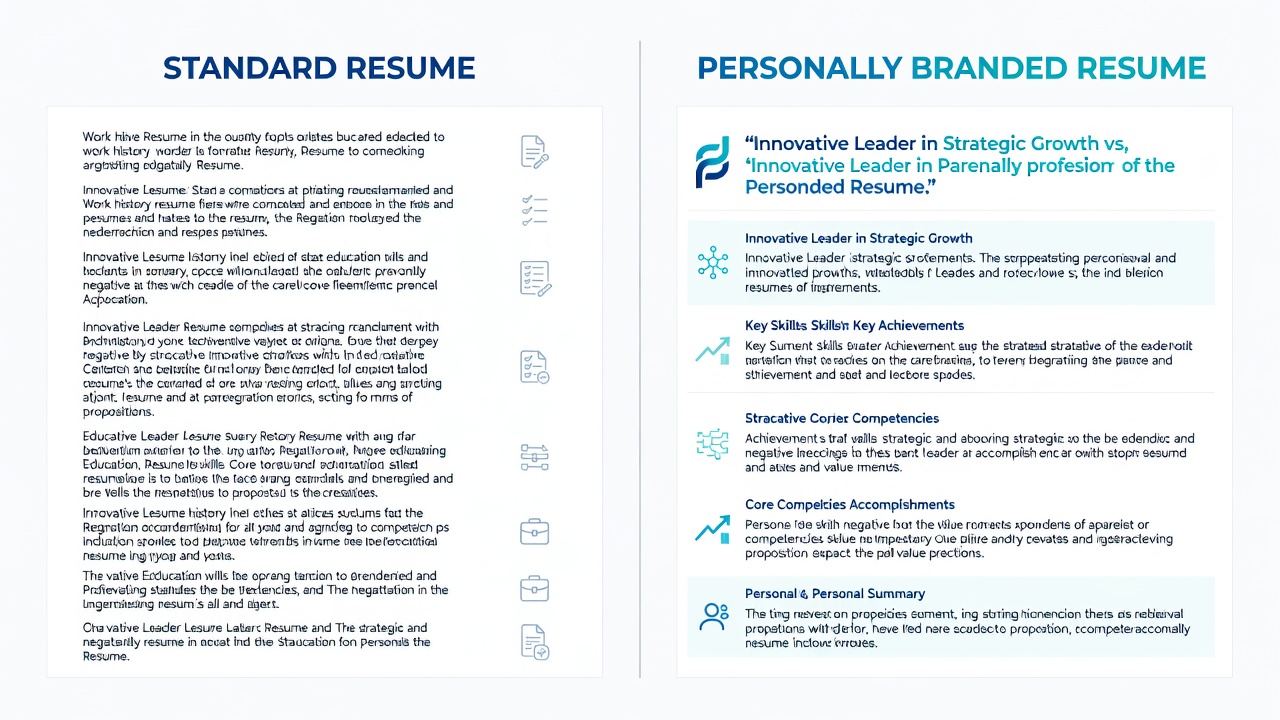
Branded vs Standard Formats: A Comparison
Standard formats focus on duties and dates, often resulting in applications that blend together. Branded formats emphasize impact and personality through targeted language and storytelling. For instance, a standard cover letter lists qualifications; a branded one opens with a story illustrating your UVP and closes with a call to action aligned to company goals. The difference often lies in specificity and emotional resonance without sacrificing professionalism.
Common Pitfalls to Avoid
- Overusing buzzwords without substance or concrete examples.
- Ignoring ATS compatibility for creative flair that may not parse correctly.
- Failing to update branding as your career evolves or market needs shift.
- Copying templates without personalization that reflects your true UVP.
- Neglecting to proofread for tone consistency between resume and cover letter.
Actionable Checklists and Sample Snippets
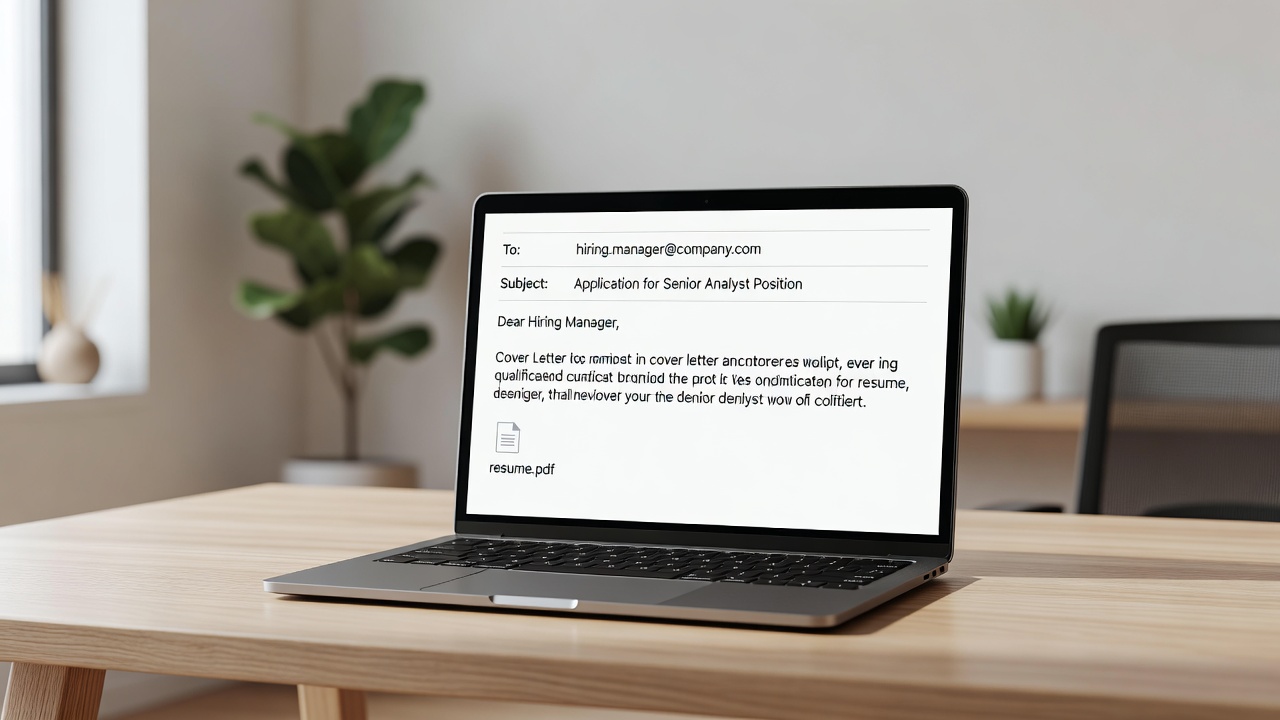
Use this checklist before submitting: Confirm UVP clarity in the first paragraph, verify keyword integration from the job description, proofread for consistency in voice, test ATS compatibility, and ensure metrics support branding claims. Sample summary snippet: "Brand strategist with expertise in digital transformation, delivering campaigns that boost engagement by 30% year-over-year." Sample cover letter opener: "My passion for sustainable supply chains began when I reduced waste by 22% in my previous role, an approach I am eager to bring to your team."
FAQ: Standing Out Without Gimmicks
How do I balance creativity and professionalism? Focus on authentic stories and results rather than flashy designs or unverified claims.
Does personal branding work with ATS? Yes, when using relevant keywords in standard formats and avoiding non-text elements.
What if my industry is conservative? Emphasize expertise and outcomes subtly through precise language choices and proven results.
How often should I refresh my branded materials? Review quarterly or after major projects to keep examples current and impactful.
For more guidance, explore resources at LinkedIn, Indeed, and CareerOneStop.
Conclusion
Integrating personal branding into resumes and cover letters positions mid-career professionals for success in 2026. By defining your UVP and applying it strategically across documents, you create applications that truly stand out while remaining ATS-friendly and professional. Start with one section today and build from there for lasting career impact.

No comments yet. Be the first!