 Jobboy

Introduction: Building Financial Stability Beyond Freelance Gigs
Remote workers and digital nomads often face income variability in the gig economy. Creating passive income streams allows you to supplement earnings without proportionally increasing your workload. This approach focuses on assets that generate revenue over time, such as digital products, affiliate partnerships, and smart investments. In 2026, tools and platforms have evolved to make these strategies more accessible than ever, helping professionals achieve greater autonomy and security.
By diversifying revenue, you reduce reliance on active client work while building long-term wealth. Many remote professionals start with small experiments that compound over months. This article covers practical methods with step-by-step guides, real-world examples, comparisons, tax considerations, and recommended tools to help you implement these ideas effectively.
Creating and Selling Digital Products
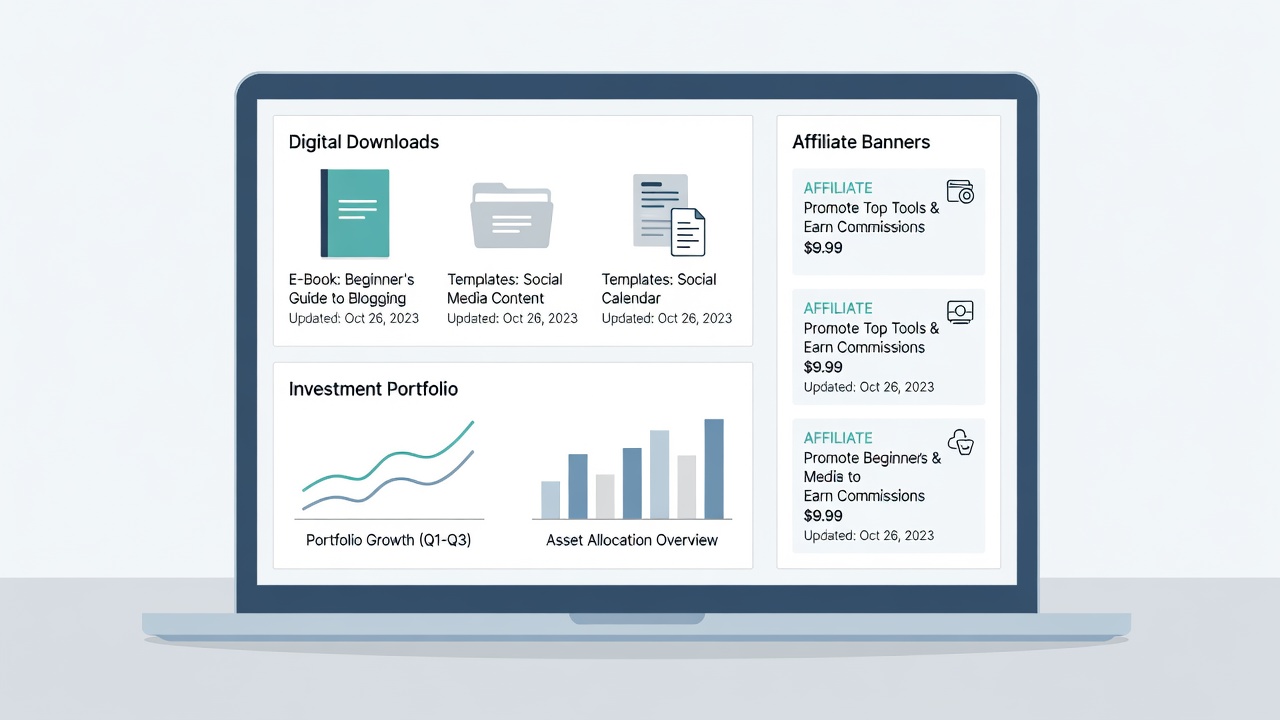
Digital products like e-books, templates, and online courses offer high margins because they can be created once and sold repeatedly. Remote workers with specialized skills in writing, design, or coding are well-positioned to produce these assets that continue earning while you focus on other projects.
Step-by-Step Guide to Launching Your First Digital Product
- Identify your expertise by reviewing past freelance projects for recurring client needs and common pain points.
- Choose a format such as a Notion template, checklist PDF, or short video course that solves a specific, searchable problem.
- Use accessible tools like Canva for visuals or Google Docs for content creation to keep production efficient.
- Validate your idea by surveying your network or posting teasers on social media to gauge interest.
- Set up a sales platform such as Gumroad or Etsy to handle payments, delivery, and customer support automatically.
- Optimize your product page with clear descriptions, previews, and keywords to improve discoverability.
- Launch with a promotional email to your existing contacts and follow up with updates to encourage repeat purchases.
A successful freelancer in web development might sell Notion templates for project management, generating ongoing revenue from a one-time creation effort that requires only occasional updates.
Affiliate Marketing Setups for Remote Professionals
Affiliate marketing involves promoting products and earning commissions on sales through your unique links. It pairs well with content creation, such as blogs or newsletters that remote workers already maintain as part of their personal brand.
Building an Effective Affiliate System
- Select niches aligned with your audience, like productivity tools or travel gear for nomads, to ensure authentic recommendations.
- Join reputable programs from established brands and review their commission structures and cookie durations carefully.
- Create honest reviews or tutorials that incorporate affiliate links naturally within valuable, search-optimized content.
- Track performance using built-in analytics to refine your approach over time and double down on high-performing topics.
- Disclose affiliations transparently to maintain trust and comply with platform guidelines.
One digital nomad built a following by sharing remote work setups and earned commissions promoting software used daily in her workflow, turning routine content into a steady side revenue source.
Investment Options Tailored for Online Workers
Investments such as dividend stocks, index funds, or peer-to-peer lending can provide passive returns. Remote workers benefit from flexible contribution schedules via apps that allow micro-investments from anywhere with an internet connection.
Start by educating yourself on risk tolerance and asset allocation. Diversify across categories to balance potential growth with stability. Investopedia offers educational resources to help beginners understand risk levels before committing funds.
Comparing the Different Passive Income Methods
Digital products require upfront creative effort but offer near-100% margins after launch and full control over pricing. Affiliate marketing demands consistent content but scales with audience growth and requires little inventory management. Investments need initial capital but involve minimal ongoing time once set up, though they carry market risks. For freelancers starting with limited savings, digital products often provide the quickest entry point, while investments suit those with steady income streams who can commit to longer horizons. Consider your available time, skills, and starting resources when choosing where to begin.
Practical Tips on Taxes and Essential Tools
Track all income sources meticulously using spreadsheets or dedicated software from day one. In the US, report earnings on Schedule C and consider quarterly estimated payments to avoid penalties. Remote workers operating internationally should research local rules and possible treaties. Deduct legitimate business expenses such as software subscriptions, internet costs, and home office portions where applicable. Consult IRS guidelines for self-employed individuals to stay compliant. Tools like QuickBooks or Wave simplify bookkeeping, while platforms such as Stripe handle international payments seamlessly. Additional options include email marketing services for nurturing audiences and analytics tools for monitoring performance across channels.
SEC resources provide investor education relevant to those exploring market-based passive income options.
Real-World Examples from Successful Freelancers
A graphic designer transitioned to selling stock assets online, creating a portfolio that now earns more than her original client work through consistent uploads and SEO optimization. Another writer built an affiliate site reviewing remote tools, achieving diversification without extra hours by repurposing existing research. A third example involves a consultant who developed an evergreen email course on productivity, using automation to deliver content and collect payments while traveling full-time.
Mistakes to Avoid When Building Passive Income
Common pitfalls include neglecting audience building before launch, underpricing products, or failing to disclose affiliate relationships. Avoid spreading efforts too thin across too many methods at once. Instead, focus on one stream until it generates reliable results. Regularly review and update older content or products to maintain relevance in fast-changing markets.
Frequently Asked Questions
How much time does it take to start seeing results?
Most strategies require 3-6 months of initial setup before consistent revenue appears, depending on marketing efforts and niche competition.
Are there risks involved?
Yes, market fluctuations affect investments, and product sales depend on visibility and competition. Start small and diversify to mitigate risks effectively.
Can these methods work alongside full-time remote jobs?
Absolutely. Many combine them successfully by automating sales and content distribution to minimize daily involvement.
What skills are most transferable for these strategies?
Writing, design, research, and basic technical knowledge transfer well across digital products, affiliate content, and investment analysis.
How do I handle international sales and payments?
Use platforms with global reach and multi-currency support, and consult tax professionals familiar with cross-border income reporting.
Conclusion
Passive income empowers remote workers to achieve greater financial independence in 2026. Begin with one method that matches your skills and gradually expand based on results. With consistent execution and attention to compliance, these streams can provide stability and freedom in the evolving gig economy, allowing more focus on high-value work or personal pursuits.


No comments yet. Be the first!