 Jobboy

Introduction
Effective client onboarding is the foundation of successful remote freelance relationships in 2026. A structured process helps freelancers reduce churn, build trust quickly, and deliver higher satisfaction. Remote work continues to grow, making clear processes essential for standing out in a competitive global marketplace. This comprehensive guide explores best practices tailored for remote freelancers, covering everything from creating welcome packets to managing international clients. By following these steps, you can streamline your workflow and foster long-term partnerships that lead to repeat business and referrals. Many freelancers overlook onboarding as a mere formality, but those who treat it as a strategic phase see measurable improvements in client retention and project efficiency.
Creating Professional Welcome Packets
Start every new client relationship with a polished welcome packet. Include your bio, service overview, project timeline expectations, communication preferences, and a simple FAQ. Use PDF format for easy sharing via email or cloud links. Personalize each packet with the client’s name and project details to make it feel custom. Expand the packet with sections on your working hours, preferred communication channels like email or Slack, and a one-page project brief template the client can fill out. Provide examples of past work redacted for confidentiality to illustrate your style. This document sets the tone and reduces back-and-forth questions in the early stages. Consider adding a short video introduction embedded as a link to humanize the experience and build rapport faster than text alone.
Digital Tools for Contracts and Payments
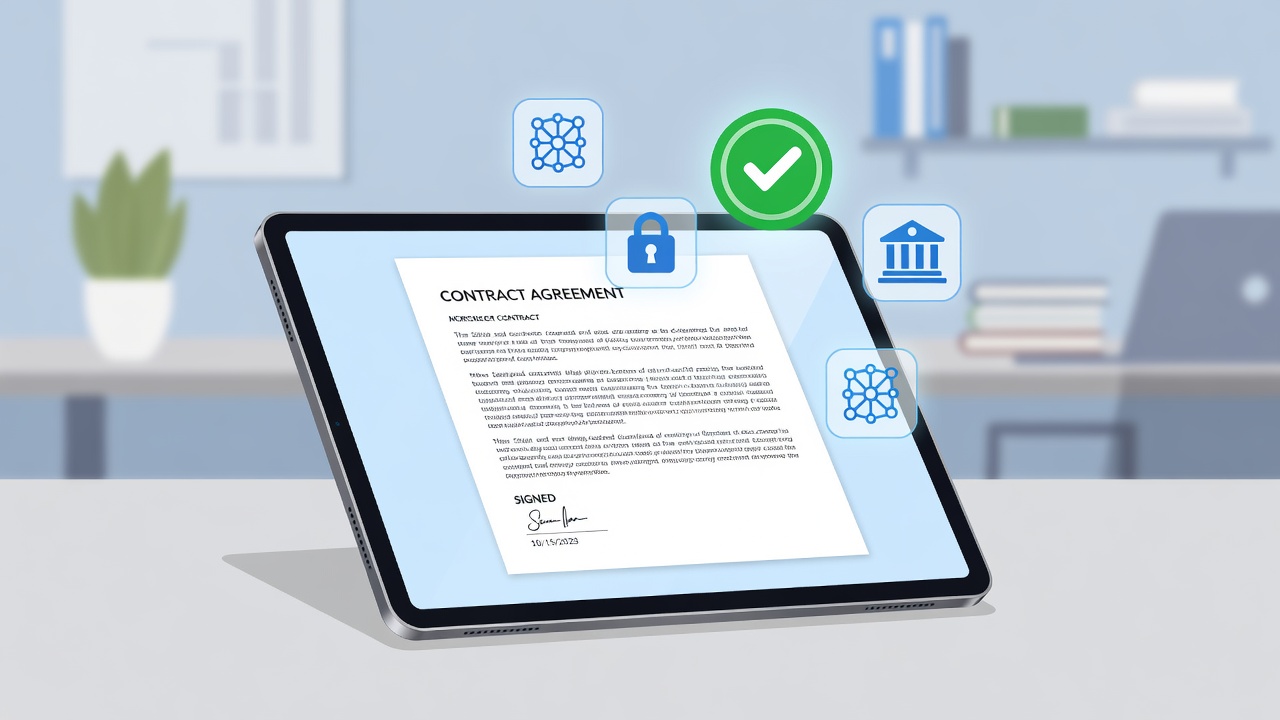
Remote freelancers rely on reliable digital platforms for seamless contracts and invoicing. Popular options include HelloSign for e-signatures and Stripe for secure payments. Always outline payment schedules, late fees, and scope boundaries in the contract. Integrate tools like Zapier to automate reminders and follow-ups. Compare platforms based on ease of use, security features, and international support. IRS guidelines provide helpful reminders for proper record-keeping on international payments. Another strong resource is the Small Business Administration site, which offers templates and compliance tips for freelancers handling cross-border work. Test integrations with your existing calendar and project management apps to create a unified system that minimizes manual data entry.
Setting Clear Expectations Early
Define response times, revision limits, and deliverables upfront. Share a project roadmap during the first call and confirm mutual understanding in writing. Break this into actionable steps: first, send a pre-onboarding questionnaire covering goals, deadlines, and brand guidelines; second, schedule a 30-minute kickoff video call; third, document everything in a shared project management board. This prevents misunderstandings that often lead to scope creep. Include examples such as specifying that initial concepts are due within five business days and allowing two rounds of revisions before additional charges apply. Clarify what constitutes a revision versus a new request to protect your time and maintain project momentum.
Incorporating Feedback Loops
Build regular check-ins into your process. Weekly progress updates and milestone reviews keep clients engaged. Use simple surveys after project completion to gather insights and improve future onboarding. Create a feedback form with questions about communication clarity, timeliness, and overall satisfaction. Analyze responses quarterly to identify patterns and adjust your workflow. For instance, if multiple clients request more visual progress reports, incorporate screen recordings into your updates. This iterative approach turns onboarding into a continuous improvement cycle rather than a one-time event.
Common Pitfalls to Avoid
Many freelancers encounter the same issues during onboarding. Skipping contract details on deliverables often leads to disputes. Using generic welcome materials makes clients feel undervalued. Delaying payment setup until after work begins creates cash flow problems. Ignoring time zone differences causes missed meetings. To avoid these, always double-check contract language with a checklist, customize every packet, set up automated invoicing on day one, and confirm overlapping availability windows before scheduling calls. Another frequent mistake is failing to discuss intellectual property rights early, which can create legal complications later in the project.
Comparing Popular Onboarding Software
Tools like HoneyBook, Dubsado, and 17hats each offer unique strengths. HoneyBook excels at client portals and branded proposals, making it ideal for creative freelancers. Dubsado provides strong automation for workflows and questionnaires, reducing manual tasks. 17hats focuses on affordability and basic contract management. Evaluate based on your workflow needs and client volume before committing. Test free trials to see which interface feels most intuitive for your daily operations. Consider factors such as mobile accessibility, reporting features, and customer support response times when making your final choice.
Real-World Examples from Successful Freelancers
One graphic designer reduced project revisions by 40 percent after implementing a detailed onboarding questionnaire that captured brand colors and target audience upfront. A copywriter uses automated welcome sequences that include video introductions, resulting in faster client approvals and fewer clarification emails. A web developer shares a living project timeline in Notion that clients can comment on directly, leading to higher transparency. A social media manager sends a branded welcome video and a custom Trello board pre-loaded with tasks, which has helped her onboard five new clients per month without increasing her administrative workload. These examples show how small process improvements yield big results and help freelancers scale their businesses without burnout.
FAQ: Handling International Clients
How do I handle currency differences? Use platforms that support multi-currency invoicing and clearly state exchange rates in contracts. Convert estimates at the start of each project and note that final amounts may vary slightly with market fluctuations.
What about tax implications? Consult official resources for guidance on cross-border freelance income and keep detailed records of all transactions.
How to manage time zones? Schedule calls during overlapping hours and document agreed response windows. Tools like World Time Buddy help visualize availability across regions.
What if language barriers arise? Provide key documents in simple English and offer the option for clients to reply in their native language using translation tools, then clarify any ambiguities.
How do I handle data privacy laws? Research regulations such as GDPR for European clients and include consent language in your contracts to stay compliant.
Step-by-Step Onboarding Checklist
- Send welcome packet and questionnaire within 24 hours of contract signing.
- Schedule kickoff call and share agenda in advance.
- Finalize contract with clear deliverables and payment terms.
- Set up shared project workspace and grant access.
- Confirm payment method and send first invoice if applicable.
- Document all agreements in writing and store in a central folder.
Measuring Onboarding Success
Track metrics such as client retention rate, average project turnaround time, and feedback scores. Set a goal to improve one metric each quarter. Review your process every six months and incorporate new tools as technology evolves. Successful freelancers treat onboarding as a living system that grows with their business. Use spreadsheets or built-in analytics from your tools to visualize trends over time and make data-driven adjustments.
Conclusion
Mastering client onboarding sets remote freelancers apart in a competitive market. By focusing on preparation, clear communication, and continuous improvement, you create lasting client relationships that support long-term success. Implement these strategies step by step and watch your satisfaction scores rise while churn decreases.


No comments yet. Be the first!