 Jobboy

Introduction
Remote job interviews have become the standard in the gig economy and freelance landscape as companies continue to embrace distributed teams. Mastering virtual interviews is essential for landing flexible roles in 2026. This comprehensive guide provides actionable strategies to excel, covering preparation techniques, common pitfalls, tech troubleshooting, and how to demonstrate skills like async communication effectively. Whether you are a digital nomad seeking freelance opportunities or a full-time remote worker, these insights will help you stand out.
Understanding Remote Interviews in the Gig Economy
Remote interviews differ from in-person ones by emphasizing technical reliability, self-motivation, and the ability to work independently across time zones. In freelance and gig work, platforms often prioritize candidates who demonstrate strong async communication skills alongside traditional qualifications. The gig economy rewards professionals who can deliver results without constant supervision, making remote interviews a key filter for employers.
Essential Preparation Techniques
Start by researching the company and role thoroughly. Review the job description and prepare examples of past projects that highlight remote-friendly skills. Create a dedicated interview space free from distractions. Update your professional profiles on major platforms and gather references who can speak to your remote work capabilities. Practice answering questions in front of a mirror or recording yourself to refine your delivery and body language on camera.
- Review your portfolio and update links to recent work samples
- Practice common questions aloud with a timer
- Test your internet speed and backup connection in advance
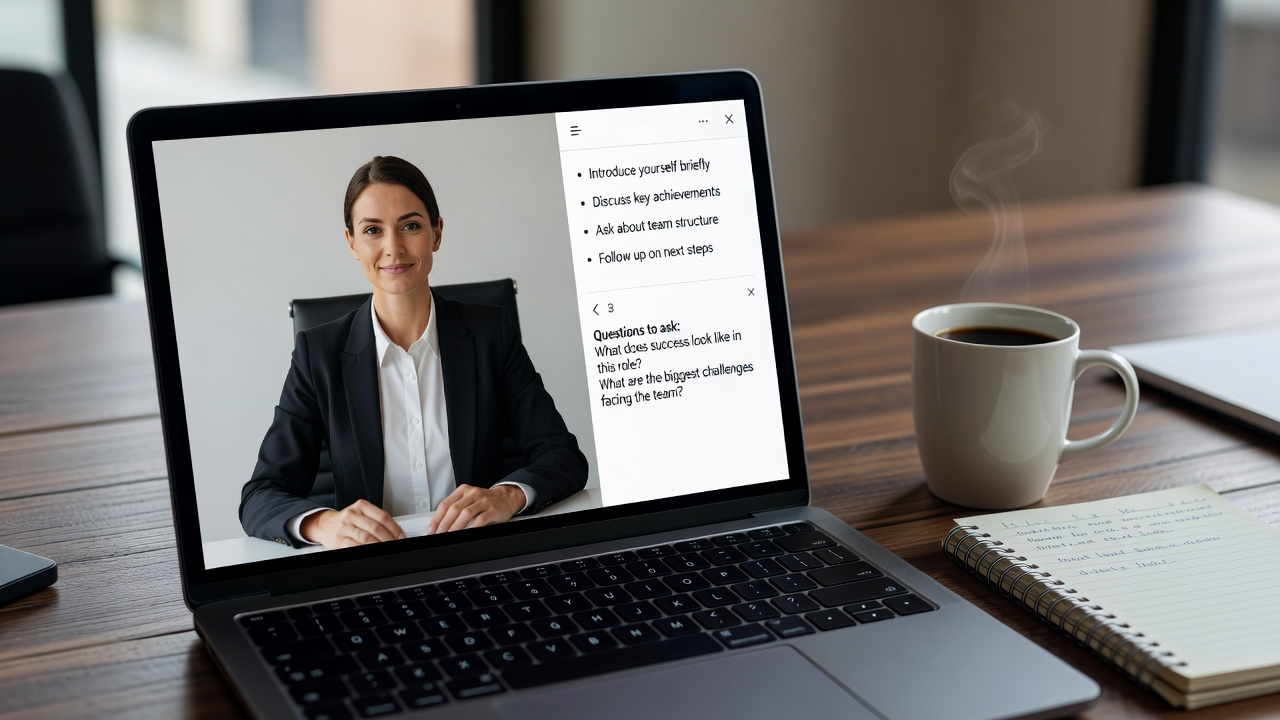
- Prepare questions to ask the interviewer about team collaboration tools
- Review time zone differences if the role involves global teams
Mastering Your Tech Setup
Reliable technology is non-negotiable for remote interviews. Use a wired internet connection when possible and have backup options like a mobile hotspot ready. Ensure your microphone and camera are high quality, and familiarize yourself with the platform being used. Test screen sharing, mute functions, and lighting adjustments beforehand. Troubleshooting common issues such as audio lag or frozen video can prevent awkward moments during the actual interview.
Virtual Background Best Practices
Choose a clean, professional background that reflects your work style without being distracting. Many successful remote workers use subtle branded elements or neutral tones that keep the focus on their face. Avoid busy patterns or items that might draw the eye away from your responses. If using a virtual background, test it for glitches that could make you appear unprofessional.
Demonstrating Async Communication Skills
Highlight your ability to communicate effectively without real-time interaction. Provide concrete examples of using tools like Slack or email to deliver updates and collaborate across time zones. Explain how you structure written updates to be clear and actionable, reducing the need for follow-up meetings. Real-world examples include freelancers who maintained client relationships solely through detailed project reports and scheduled check-ins.
Behavioral Question Frameworks for Digital Nomads
Use the STAR method adapted for remote work: Situation, Task, Action, Result. Tailor responses to show initiative in virtual environments, such as leading remote projects or resolving timezone conflicts. For instance, describe a time when you managed a deadline across continents by documenting progress in shared documents. This framework helps interviewers visualize your remote work effectiveness.
Real-World Examples from Successful Remote Workers
One freelancer shared how preparing a 30-second intro video helped secure a long-term contract with a global client. Another emphasized troubleshooting audio issues quickly during a live interview to demonstrate problem-solving under pressure. A third digital nomad described using a personal checklist to ensure every tech element was ready, leading to multiple job offers in the same month.
Common Pitfalls to Avoid
Avoid poor lighting, background noise, or failing to follow up after the interview. Many candidates lose opportunities by not testing their setup beforehand or by multitasking during the call. Other frequent mistakes include neglecting to research the company's remote culture or providing vague answers about past remote experiences.
Comparing Interview Formats Across Platforms
Video calls on Zoom require different preparation than asynchronous video submissions on platforms like Indeed. Live interviews test quick thinking and real-time adaptability, while recorded ones allow multiple takes but demand concise messaging. Gig platforms such as Upwork often mix both formats, so candidates should prepare for flexibility. Understanding these differences helps you tailor your approach and reduce anxiety.
Step-by-Step Checklists for Success
Before the interview day, follow this checklist: confirm the meeting link, test all equipment, prepare your environment, and review your notes. During the interview, maintain eye contact with the camera, speak clearly, and take notes. After the interview, send a thank-you message and track your follow-up timeline.
Salary Negotiations and Follow-up Etiquette
Research market rates for remote roles and prepare data-driven counteroffers. Send a thank-you email within 24 hours summarizing your fit for the position and reiterating interest. Proper etiquette includes being prompt, polite, and professional in all written communications.
FAQs
How do I negotiate salary in remote interviews?
Focus on value delivered rather than location. Reference recent industry benchmarks from authoritative sources and practice your pitch in advance.
What is proper follow-up etiquette?
Send a personalized note recapping key discussion points and expressing enthusiasm for next steps within one business day.
How can I handle technical difficulties during an interview?
Stay calm, communicate the issue immediately, and have a backup plan such as switching to a phone call if needed.
Conclusion
By following these strategies, you can confidently navigate remote job interviews in 2026. Consistent preparation, strong virtual presence, and demonstrated remote skills will set you apart in the competitive gig economy and open doors to rewarding freelance and digital nomad opportunities.


No comments yet. Be the first!